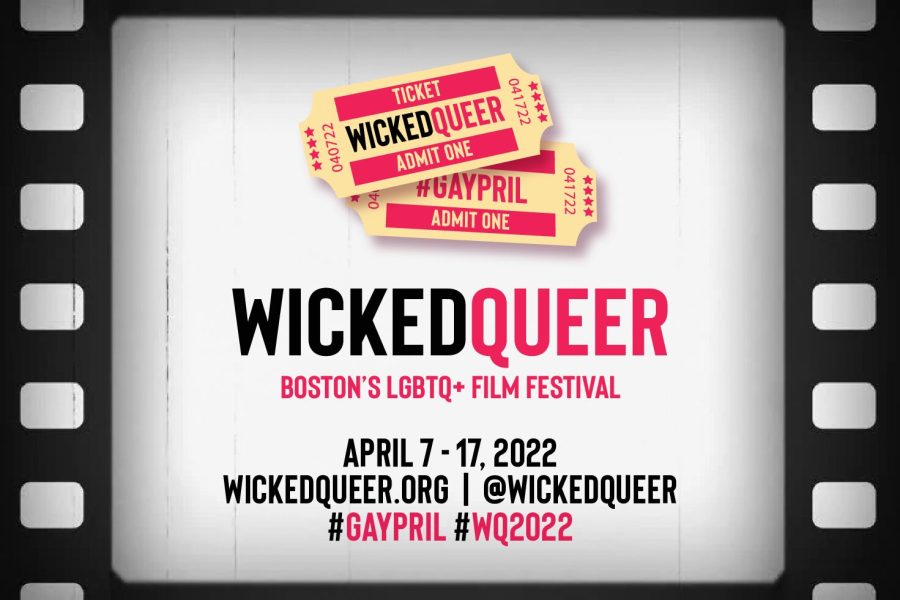

Shuffling to their seats in darkened theaters — popcorn, sodas, and festival programs in hand — audience members filled the Brattle Theatre and Coolidge Corner Theater throughout this past week for the 42nd Annual Wicked Queer Film Festival. Laughs, hollers, yelps, and screams echoed through auditoriums as selections of comedic, shocking, and joyful queer films were projected upon glowing silver screens.
The festival concluded on Monday, April 13, continuing to promote the Queer Film Institute’s historic mission to bring the “best and boldest” Queer cinema to the city of Boston, according to their webpage.
Originating as the Premiere Gay & Lesbian Film Festival back in 1984, Wicked Queer continues to serve as one of the most highly regarded LGBTQ+ film festivals in North America. By highlighting feature film screenings, debuts, and double features, as well as various short film programs, the festival acts as a platform for up-and-coming queer creatives.
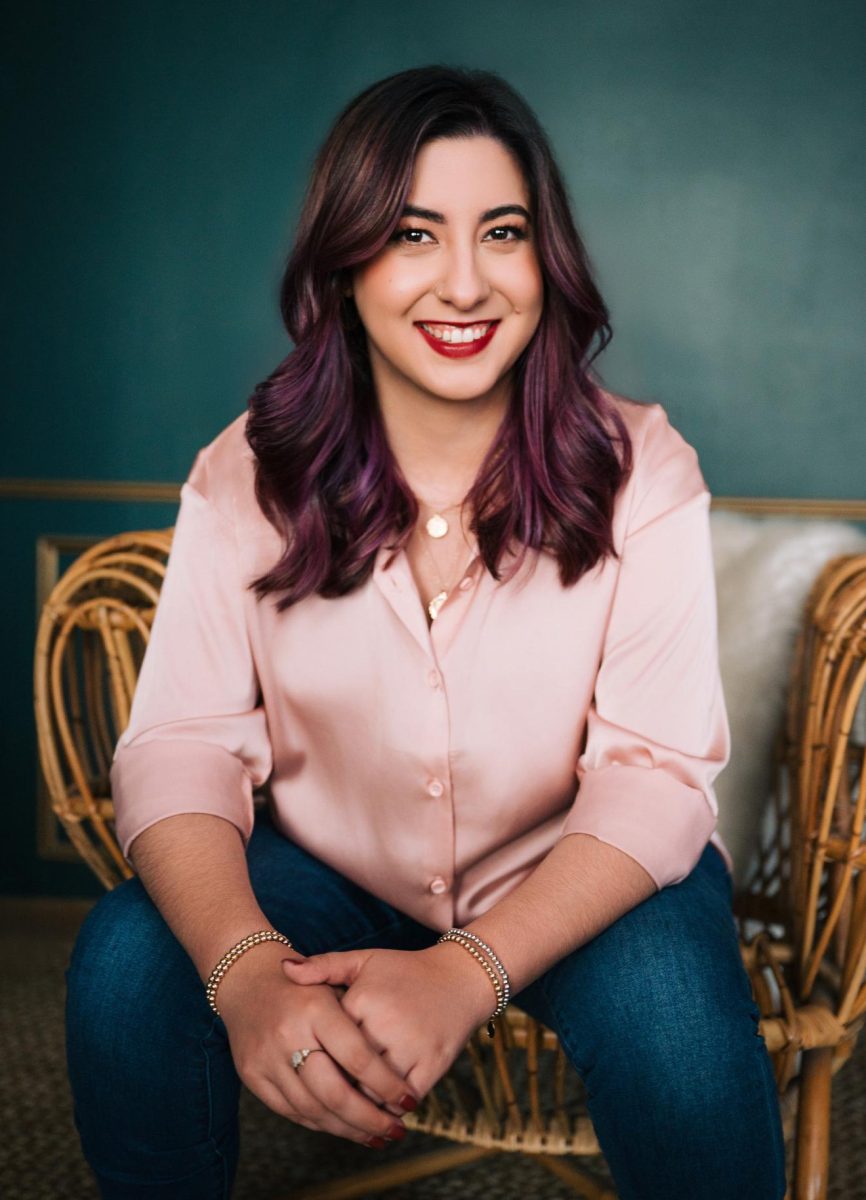
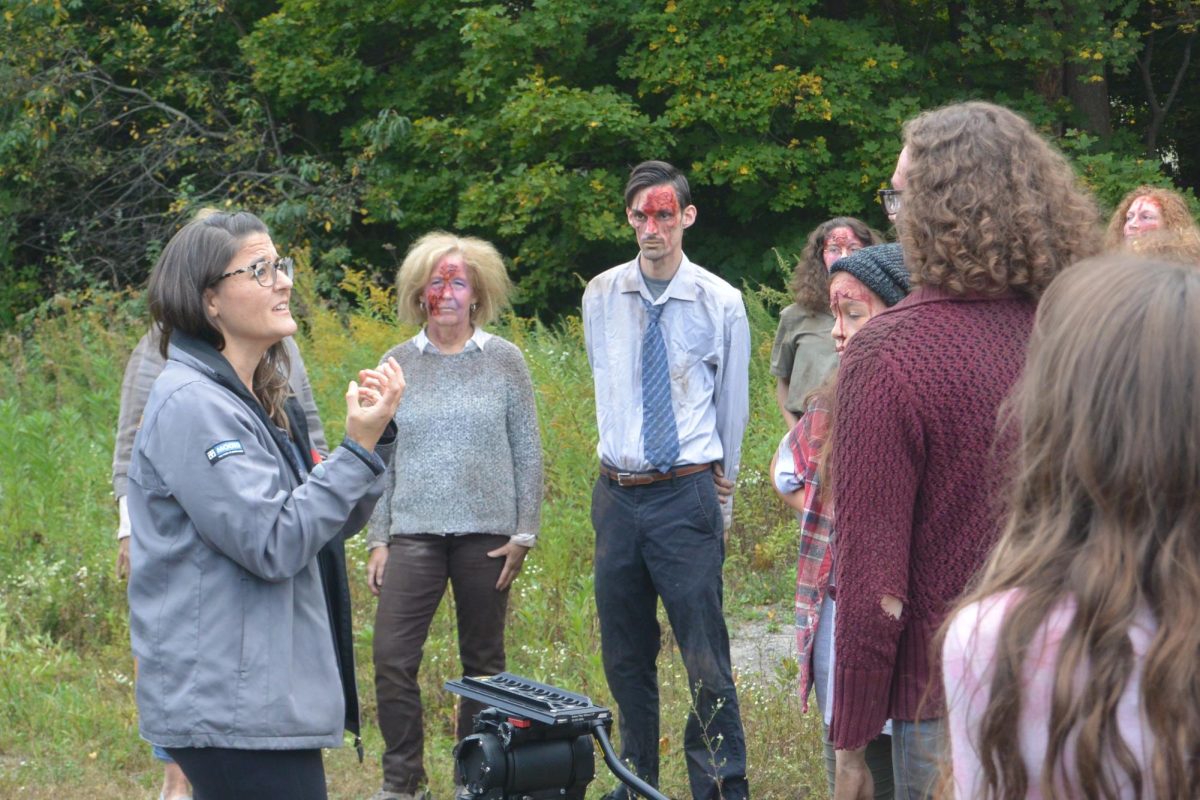
Director of Programming for this year’s festival, Emerson Alum Katie Shannon ‘10, spoke to The Beacon before a presentation of the festival’s “Unruly and Unfiltered: Comedy Short Films” program this past Saturday. After having her student film screened at Wicked Queer, Shannon went on to develop this specific comedic short film series for the festival.
Shannon said that it was because of Emerson that she was introduced to the film festival circuit. She described how her master’s thesis film was the starting point of her “getting involved with the back end of film distribution.”
“My thesis at Emerson provided my first taste of film festivals, as it ended up in quite a few festival runs,” Shannon said. “It was my first time acting as a creator — versus an audience member — in a festival setting.”
Shannon also spoke on the value of Wicked Queer in the festival circuit, as it is one of the first queer film festivals held in North America each calendar year. She explained how distributors or other film festivals will often see that a feature or short played at Wicked Queer, which can be quite helpful for a film’s chances of obtaining funding and distribution on a larger scale.
Wicked Queer, even in its earliest iterations, premiered genre-defining LGBTQ+ features in the U.S. Today, it continues to highlight up-and-coming and avant-garde queer directorial voices.
“I think we are constantly trying to have a safe space for queer filmmakers to show their content, which is just always so important,” said Shannon. “More so now than ever with our current climate,” she added, speaking to the political tensions and censorship facing LGBTQ+ — especially transgender — artists working today.
Shannon and her colleagues spoke further in a Q&A segment held on Saturday regarding the need for “queer joy” and positive representation in light of challenging times.
Alongside film screenings which highlighted underrepresented voices and intersectional perspectives from within the LGBTQ+ community, Shannon said all screenings at this year’s Wicked Queer festival undoubtedly attempted to compensate for a media arts environment becoming increasingly deterred from featuring queer stories.
“We’re queer propagandists, and we’re just continuing to try to show movies that matter to us,” Shannon said to The Beacon. “We’re still trying to find a broader audience as well; an audience that can see just how absolutely phenomenal the films we receive are,” she said.
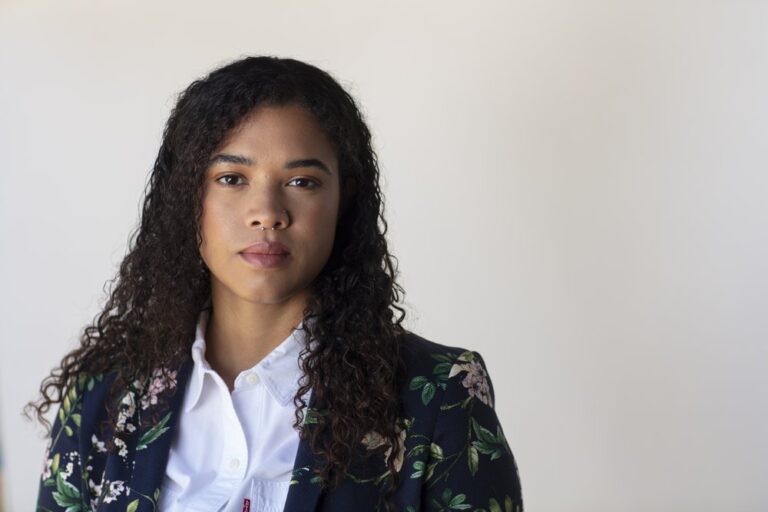
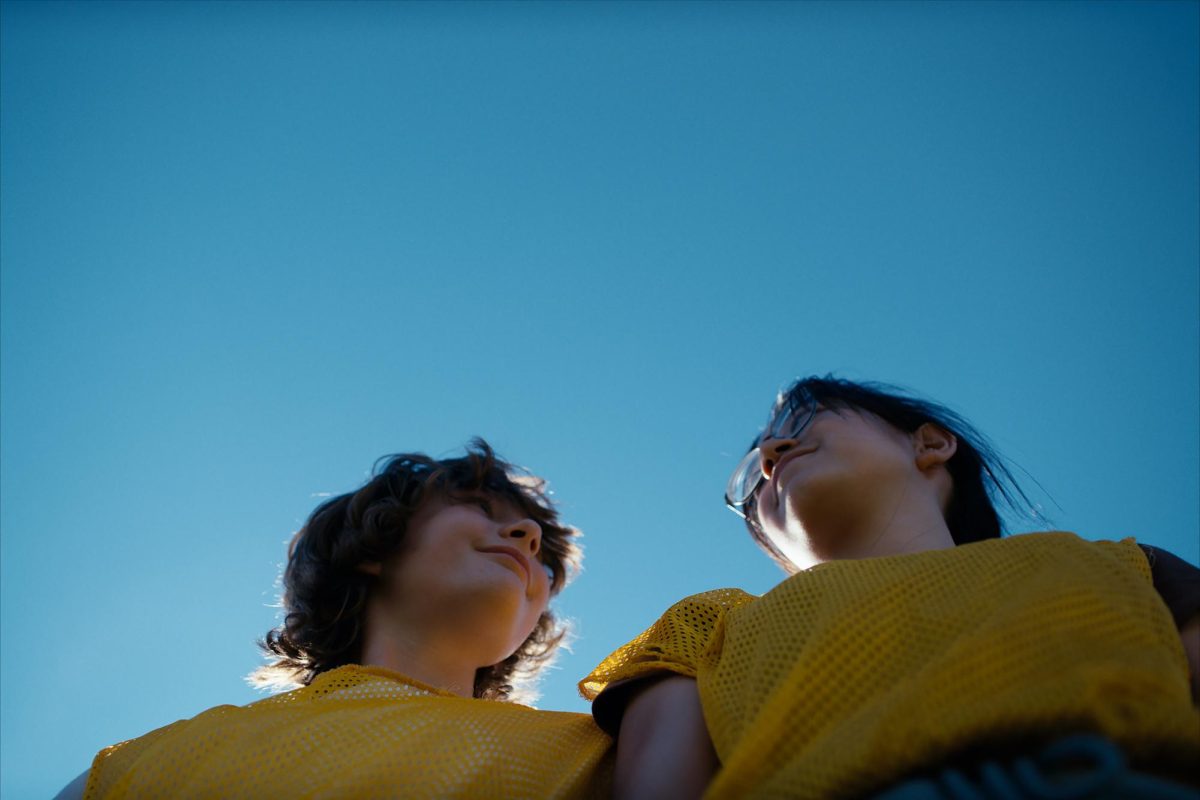
This year’s festival also featured the U.S. premiere of the acclaimed director Louise Weard’s film anthology, “Castration Movie Chapter iii.,” in addition to various independent features from Mexico, Colombia, France, Australia, Morocco, Argentina, and other countries. Curated short film series highlighted women-directed films, comedies, and student-produced projects.
Though the main portion of this year’s festival has concluded, the “Best of Wicked Queer Shorts” screening will be held on Thursday, April 16, at 7:15 p.m. in the Howard Thurman Center at Boston University. The screening is free with registration and open to the public.