

Two summers ago, my good friend Lucy and I bought tickets to see Modest Mouse and the Pixies’ co-headline tour. While we knew both bands would make an iconic concert experience, we really wanted to see the show for another reason: its opener.
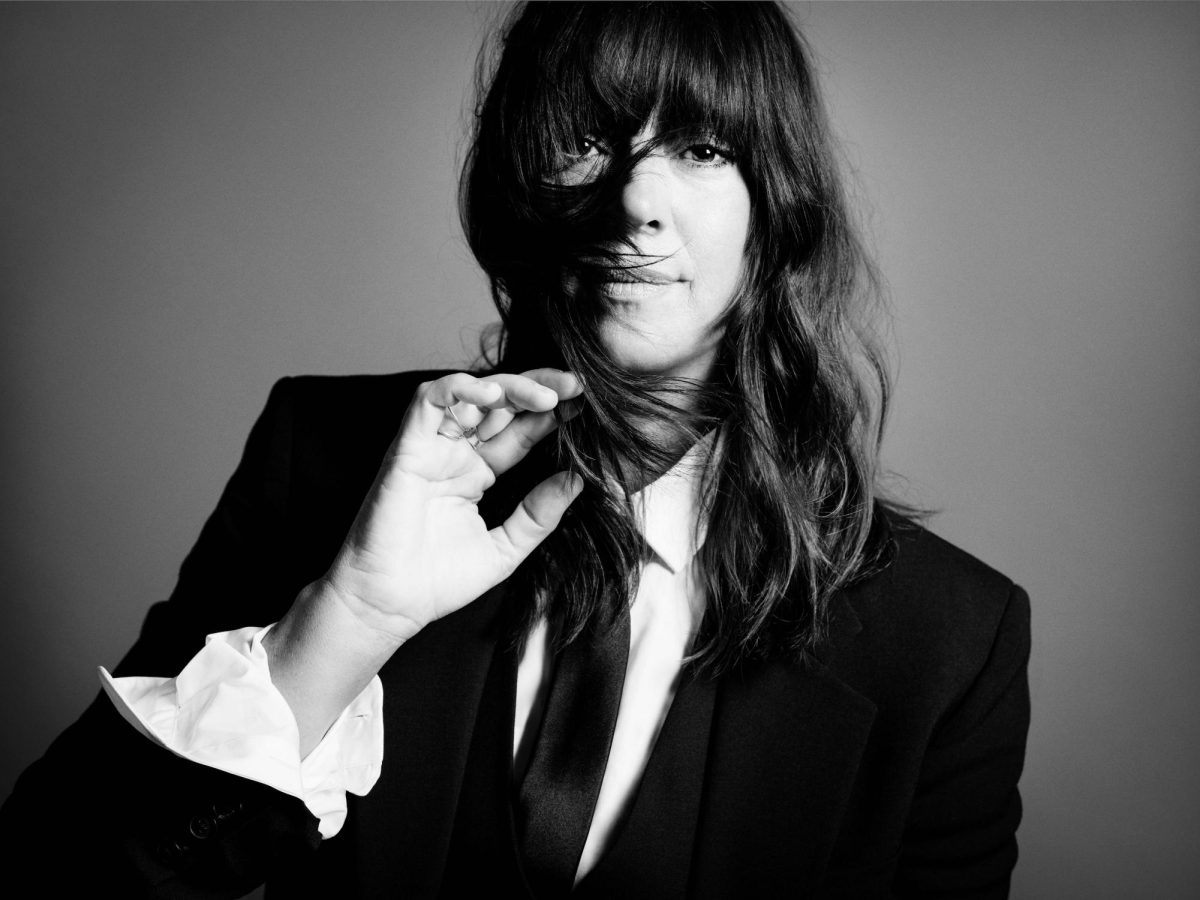
Chan Marshall, also known as Cat Power, released her album “The Greatest” in 2006, and is now celebrating its 20th anniversary with her very own tour. Last week, she played Boston’s Roadrunner for my favorite demographic of concertgoers: 35-50-year-old women who look like lesbians, and their husbands.
As perpetually late as we tended to be that summer, Lucy and I decided to get dinner before making our way to the amphitheater. After a 30-minute drive, we parked just in time for the show to start. What we didn’t account for, though, was the mile-long walk from the muddy parking field to the venue. As we were trudging up the path, Marshall’s twangy, soulful voice winded down through the 100-degree Texas humidity directly to us.
Since we missed her set that night, I’ve been haunted by the possibility that I would never see Cat Power live. Thankfully, after allotting an appropriate amount of time for the Boston version of that treacherous mile-long walk—gotta love the commuter rail—I filed into the orderly crowd just ahead of showtime.
Marshall is arguably most well known for her covers, including Phil Phillips’ “Sea of Love,” and Nico’s “These Days.” She even released an album of Bob Dylan rerecordings in 2023. After opening for Modest Mouse and the Pixies, Marshall set off to tour the Dylan album. Since that concert two years ago, Lucy and I have had a bit of a running joke between us (and anyone else who’ll listen) that we want Marshall to be herself. Her covers are great, but they aren’t “The Greatest,” which was performed in its full glory on March 4.
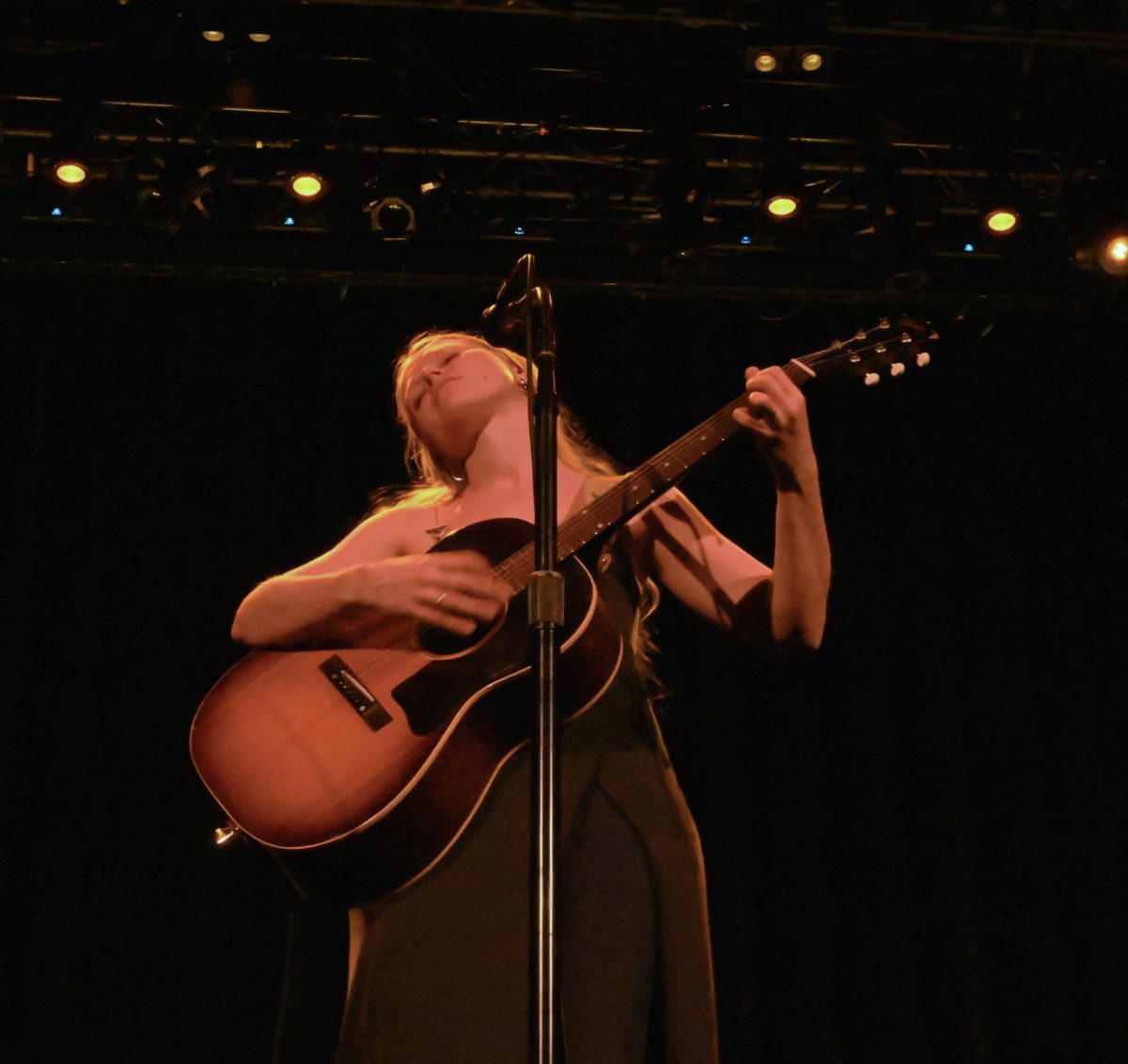
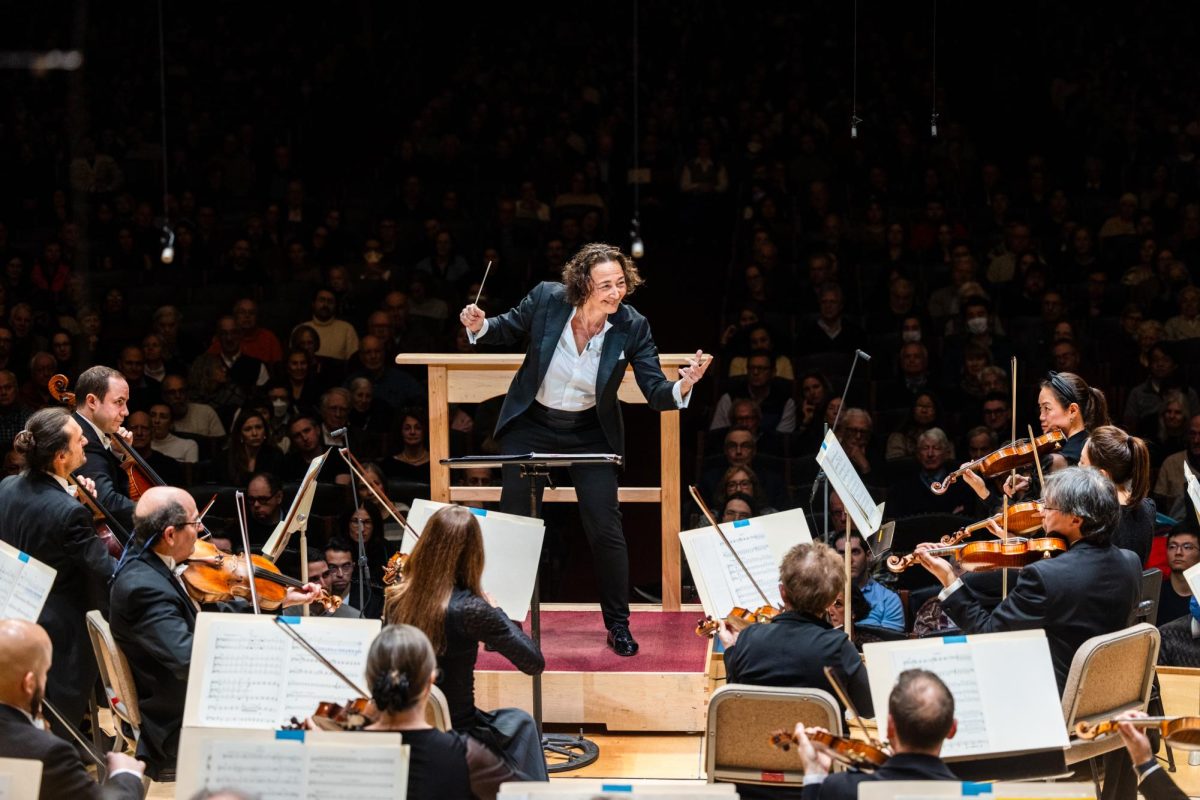
Clad in a stark white power suit and platinum bob, Marshall immediately set the tone of the night. Backlit by the stage’s glowing orange light, she began with the album’s title track, a beautifully tortured blues ballad.
Pausing only to sip her cup of tea, Marshall methodically checked off each song on the album. Double fisting two mics, she intoned, “There’s nothing like living in a bottle / And nothing like ending it all for the world,” midway through “Lived in Bars.” With this song, Marshall seeks redemption; she isn’t currently haunting the bar, but has in the past. “We know your house so very well / We will wake you once we’ve walked up all your stairs [to heaven],” she sang, presumably to God.
Marshall has been candid about her struggles with addiction and depression throughout her career, and the song is a melancholic but resilient reflection on a transient life and subsequent spiritual confrontation. Twenty years later, her band, relished by the swaying crowd, lifted her up God’s stairs and directly to where she belongs.
Forever a musicians’ musician, Marshall couldn’t end the night off without some good old covers.
For Kitty Wells’ “It Wasn’t God Who Made Honky Tonk Angels,” Marshall skewed her bluesy rasp into a definitive twang. While singing Prince’s “Nothing Compares 2 U,” which she dedicated to activists in Prince’s hometown of Minneapolis, she somberly breathed new life into the classic power ballad.
Pausing for a beat, Marshall recalled other Boston shows she had played, and asked the crowd if the Middle East in Cambridge was still around, receiving cheers from the nostalgic audience. Famously, the upstairs stage was a breeding ground for ‘90s indie and alt-rock, and hosted acts like Elliott Smith, Pavement, and Neutral Milk Hotel before they moved on to bigger venues. Marshall played four shows at the club between 1995 and 2002. She then asked the audience if “that guy” was still around, and if he was doing well.
One person whooped, but after a pause, someone who knew better informed Marshall and the rest of us that “that guy” was Joseph Sater, former co-owner and manager of the club, who had actually passed away two days earlier.
Shocked, Marshall rifled through her songbook, conferred with her band, and switched up the setlist to dedicate their next song, a hauntingly subdued rendition of Billie Holiday’s “I’ll Be Seeing You,” to Sater.
The concert lasted a few more songs, but that moment rendered the theme of the night clear: two decades after her self-professed greatest work, Cat Power continues on. And after finally seeing her live, it’s obvious that there’s really nothing wrong with recording and performing covers. There is certainly quite a bit of musical talent to honor these days, and Marshall is just about as appreciative as they come.