


Cinema Emerson has everything a screening series at a prestigious film school needs to succeed: esteemed directors, impactful films, and a room to play them. All they’re missing is an audience.
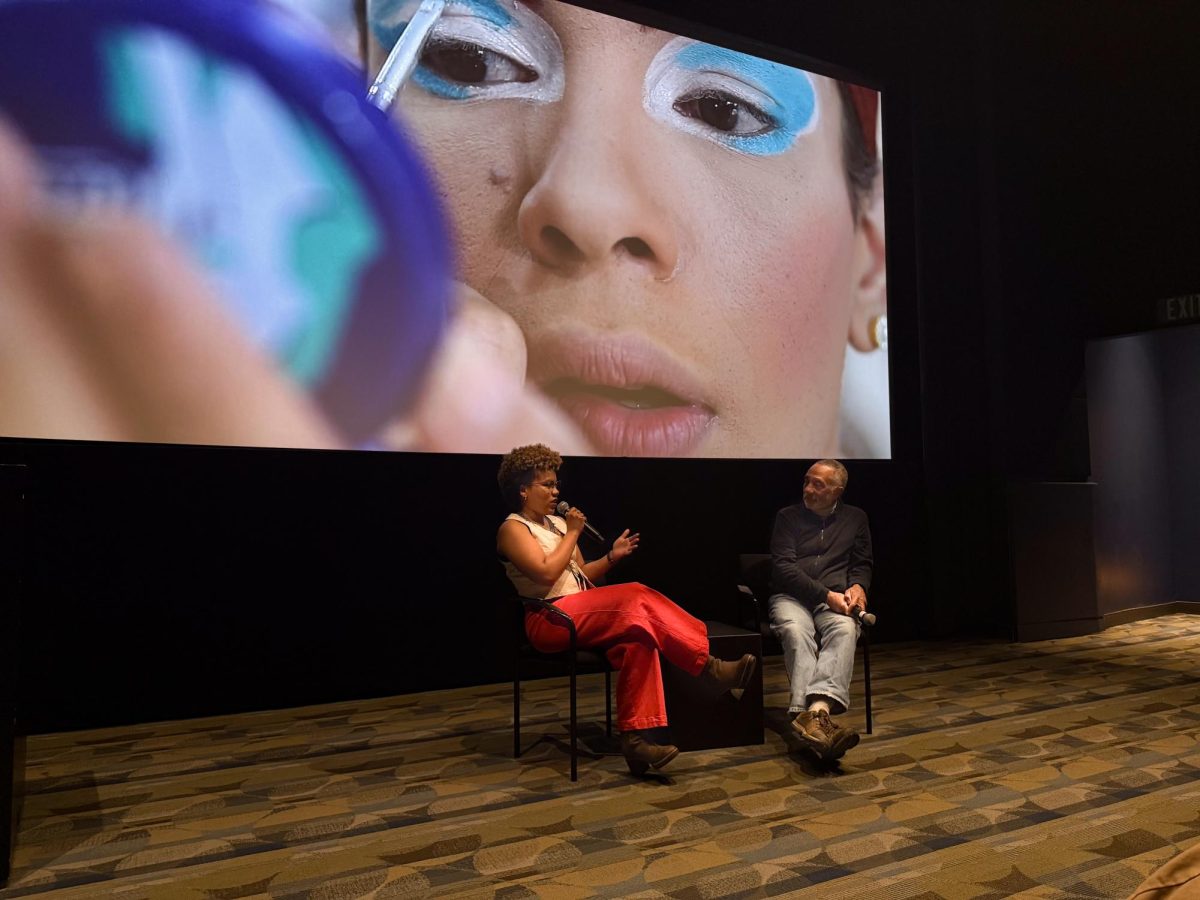
Only six people attended the screening of “Género: Salsa” (2025), which took place at the Bright Family Screening Room in the Paramount Center on Thursday. The film, directed by Kamillah Aklaff, takes place in Cali, Colombia — the salsa capital of the world. The film introduces us to an on-the-rise queer dance community that uses the salsa culture and outstanding dance technique to question and reframe gender roles.
Theodore Life, a senior distinguished director-in-residence at Emerson College, was responsible for bringing the screening to the institution and had some thoughts on the small turn out.
“This is Emerson’s problem; this is the big thing we’ve been talking about all year with Cinema Emerson. What can we bring that is gonna bring out students?” Life said. “We brought all kinds of films here that we just knew it would be a packed house, but that didn’t happen, very few people came.”
Previously, the Bright Lights Cinema Series hosted regular screenings for students, which like last week’s screening, often invited filmmakers. The program was suspended by Emerson ahead of the 2024–2025 academic year, after announcing a budget shortfall and staff layoffs related to enrollment decline.
Ever since, film professors have been on a mission to save the screening room by hosting screenings, and lately advertising them as Cinema Emerson through e-mails sent to students and faculty in the school of film, listed contacts for other Emerson schools and departments, student organizations, and Emerson Today.
Elisanett Martinez, the assistant director of the cultural engagement center, initially thought the documentary would be the kind of programming that Emerson students would like to see. Yet, the empty seats of the theater suggested otherwise.
“I don’t know what happened, I think if I had to guess, probably students didn’t see it on EmConnect,” Martinez said. “In my mind, I’m like, how can we do this again and get a bigger audience? I just feel like more people need to see this as it’s such an important film.”
Regardless of the small turnout, Aklaff, who traveled from New York for the screening, said that she felt very enriched speaking to the people in attendance.
“Just hearing that even just one person connects with it makes me feel so good, because I spend so much time working on it on my own, sitting at my desk, editing and asking myself if anything [in the documentary] made sense to anybody anywhere,” Aklaff said.
Although the director wanted more people to attend, she expressed her understanding of the difficulties in getting people to come to events, especially for students in finals season.
Overall, the film was received with positive praise for those who did see it.
“It focused on queer people in a light that I’ve never really thought about before, like how salsa could defy gender roles and how they are trying to push for visibility, for their own rights,” said Anthony Rodriguez ‘21, a writing, literature and publishing alumnus. Rodriguez serves as the program coordinator for Emerson’s cultural engagement center, which worked closely with Life to bring “Género: Salsa” to Emerson’s campus.
The documentary follows Michelle Isaza, a transgender dancer, and the dance group she is in as they prepare to become the first queer ensemble to perform in Cali’s biggest salsa festival, Festival Mundial de la Salsa.
“I’m still shocked at how generous [Isaza] was with me, and how trusting she was, since she was in a vulnerable position, gender-wise and economically,” said Aklaff.
The director already knew most of the people in the documentary from her time living in Cali. However, she met Isaza while filming and she organically became the character driving the film.
Through Isaza, the documentary shows the possibility of a world in which we can be free of the rigid confines of gender and express our truest selves. As for Aklaff, salsa mirrors the many ways we perform in our everyday lives, which came across to members of the audience.
“We see the world in this sort of binary way, men and women, and here’s a form of celebration though dance, of the celebration of life, and the celebration of ourselves as human beings and our bodies,” Life said on the topic. “To me it is just such a refreshing way to think about things, and not about gender, but about the joy of dance.”
Aklaff spent her college years learning salsa in Boston while she studied at Tufts University, but it wasn’t until later, when she moved to Cali at 26 years old, that she got to learn the city’s unique salsa and meet the people who inspired her to begin her project. She realized that not enough people knew that same-gender dancing was possible in Cali.
“I have so much passion for salsa and dance, Cali, Colombia, and Latin America. I just admire my dance, my trainers and all of the people in the film,” said Aklaff.
Even though she knew a lot about these topics, the director confessed that she had to unlearn a lot of what she thought she knew about trans people and re-educate herself. Aklaff’s goal for the documentary has never come from a place of winning awards or profiting, but that of educating audiences.
“I want the film to get to the audiences that it needs to get to, I want people to feel enriched by it,” said Aklaff. “I would love for it to be a part of conversations about gender, sexuality, the global south, and Latin America.”
Update: Maria San Filippo, chair of the Interim Exhibition Committee, wrote to the Beacon to clarify how Cinema Emerson events are advertised: “advertising is sent to all SOF (School of Film, Television, & Media Arts) student and faculty email lists to which our committee has distribution access, as well as to contacts in other Schools and Departments, student organizations and media outlets such as this one, and (for public screenings) to contacts beyond Emerson. Our mission is and has always been to be inclusive to all members of the community.”
Every Bright Lights showing I went to was packed! Guess they shouldn’t have let Anna Feder go…