

With museums dealing with funding cuts, diversity, equity, and inclusion initiatives being shut down, and layoffs, institutions of art are facing an unsteady environment, and so will aspiring creatives. In the Curatorial Practices class, affiliated faculty member Leslie Brown addresses this reality and melds it with her teachings.
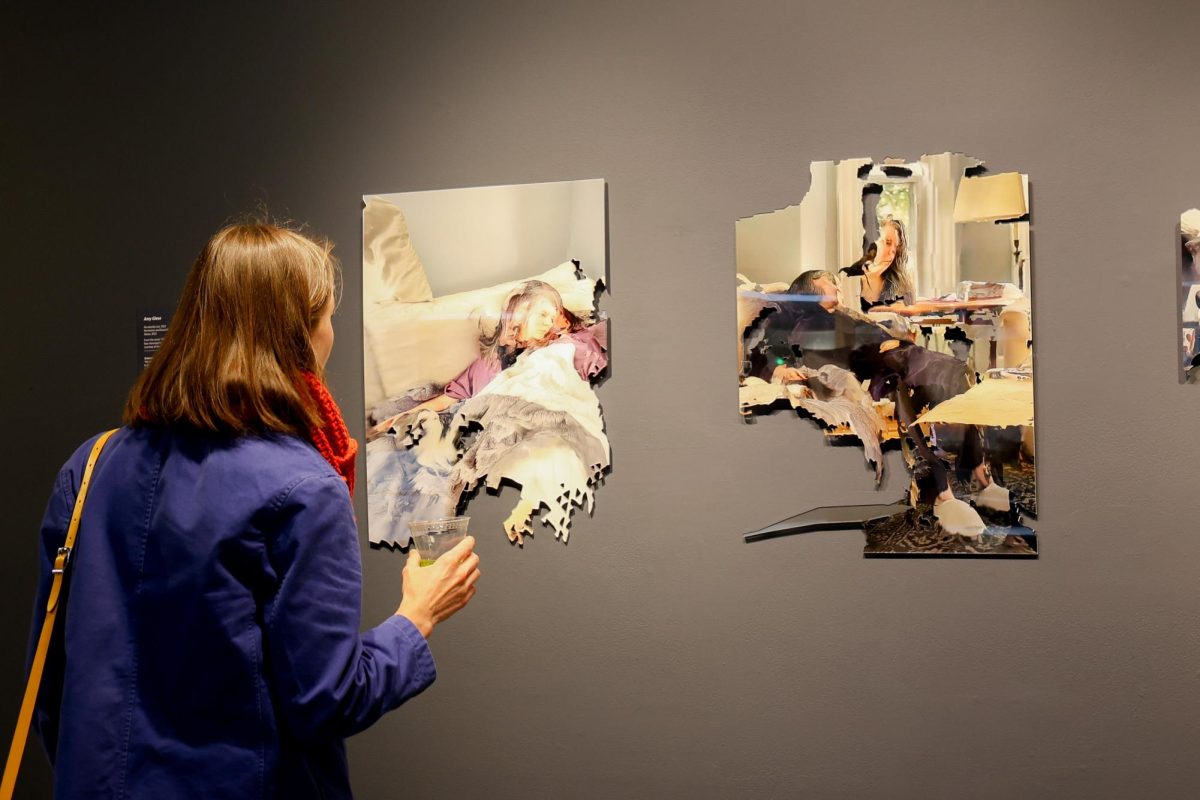
As a part of Brown’s course, students are tasked with curating and producing an art exhibit. This semester’s exhibit, “Gather,” which opened on March 31 and ended April 8, prepared students for particular industry dynamics they may encounter after graduation, ensuring they develop the skills required to navigate the art world beyond Emerson.
Like every exhibit’s starting point, a core concept needed to be agreed upon. To kick off brainstorming, the class addressed the question, “What have we been through in the last five years?” The found answer was friction, crisis, and community.
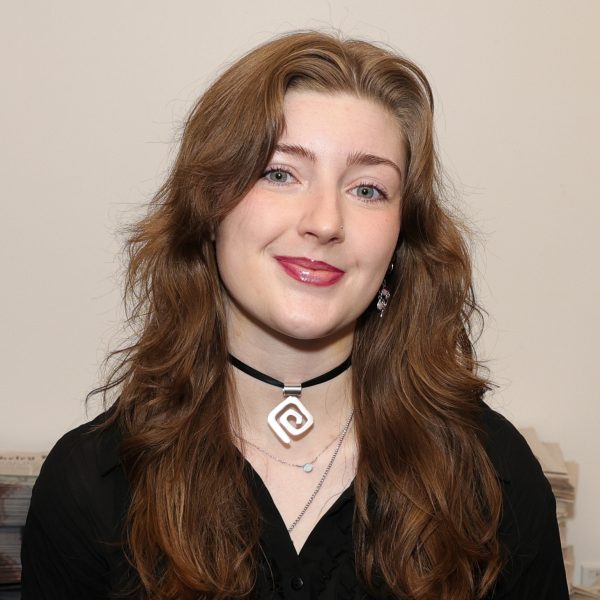
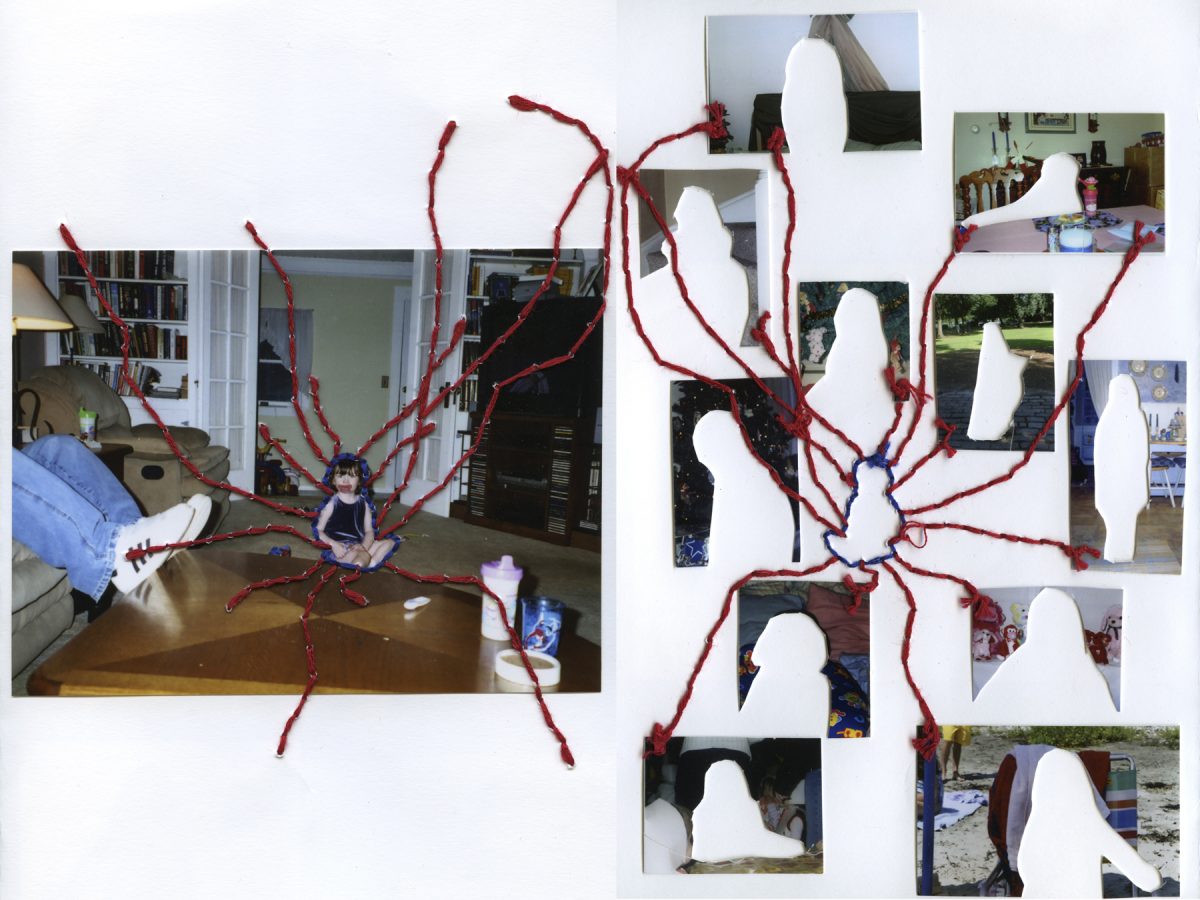
“We had a lot of talks about politics, developing new technologies like AI, and how that changes art, specifically photography and film,” Claire English, a junior in the class, said. “‘Gather’ came from that, where we really wanted to focus on mixed media, kind of returning to handmade processes in response.”
As a result, the exhibit itself became a response to the pandemonium in society and the art world, alongside the content of the course.
Early on, the class was divided up into various committees, each was in charge of running a specific sector of the exhibit. Some students handled public relations and marketing while others managed artwork documentation and registrarial duties. The students were also shown how to properly handle and install the artworks being showcased.
The opportunity to learn this integration of skills isn’t something easily accessible, Brown said. She explained that with most museum internships, you’re sectioned off, tasked with working on one specific facet of the curation process. The interplay of the class setting gives students the unique chance to preview the interconnectedness and communication an art exhibit requires.
“It’s all of us. It’s not just learning about history moderately, which I love doing too, but it’s the mediary between the student and the artist and doing this thing, a very applied, real world objective,” Brown said.
Once the name of the exhibit had been agreed upon, the class put out a regional open call for artists and their work, hoping the theme of togetherness would connect with artists.
“The call was acknowledging tumult and challenges people have been through,” Brown said. “But then we saw people coming together and forming a community and so we took the lead from that. We put it out there, to see if the same thing was happening artistically, and it was.”
The open call resulted in about 50 works being submitted, which the class then juried in traditional curatorial fashion. Taking an entire day to review the works, the class whittled down the submissions to 14 artists, pairing each student with one artist.
When the class first put out the open call, the class expected that some pessimistic representations of community would be submitted. Instead, to the class’s shock, almost every work conveyed positive feelings associated with collectivity.
“We were all very happily surprised that all the pieces had a hopeful kind of quiet resistance, and in its own way, the art gallery became a form of protest,” English said.
Brown agreed, and referred to the exhibit as a type of social demonstration, “a gentle one, a kind one, a positive one,” she said.
Aside from the hands-on work the students engage in, the class does indeed focus on the history of curation to inform the students’ practice. One of the most important aspects Brown noted was the lack of diversity that has plagued museums in the past, and now, might be creeping back in.
Using the Department of Photography at the Museum of Modern Art as an example — which up until 2013 had only been headed by white men — Brown described how photos taken by women and people of color have often been left out of collections as a result of curators not making an active effort to include diverse voices.
“In the history of photography, we have inherited this legacy,” Brown said.
Combining this historical awareness and practical experience in Curatorial Practices is what Brown hopes will give students more freedom and options when it comes to navigating the workforce.
Based on her extensive knowledge and experience of and in the art realm as a photo historian and independent curator, Brown predicts that museums will start to structure their staff more akin to that of academia, maintaining adjunct faculty that don’t work full-time or receive benefits like health insurance.
“There’s still jobs, but they’re not guaranteed and long-term,” Brown said.
Brown has seen colleagues move from adjunct roles to jobs unrelated to art in order to provide themselves with stability to work on passion projects on the side. For soon-to-be-graduates, this may look like pulling from the numerous non-administrative skills taught in her course.
“Now maybe they’re like, sure, I had fun hanging this artwork, maybe I can be in contract [work],” Brown said.“What’s nice about that is that you’re still around art, you’re still in the world, the universe of it, you’re still interacting with it.”
This, according to Brown, is all the more necessary now. For Emerson students, she advises them to “stick to it,” “stay the course,” and “stay on the bus,” adding that regardless of how the art industry might shift, it demands young, creative, and determined minds to thrive.