


Local college students are increasingly raising concerns about a lack of transparency and accountability from their school’s administrations. Earlier this year, these concerns made their way to Boston City Hall.
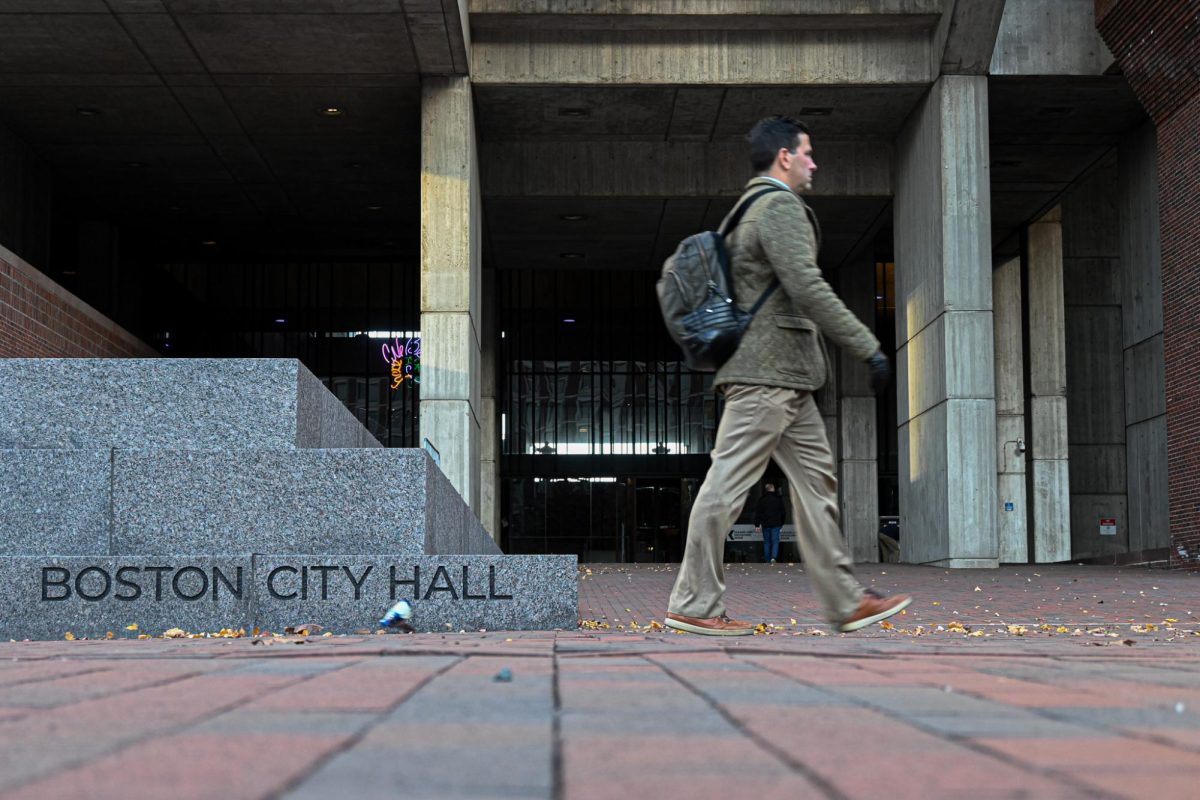
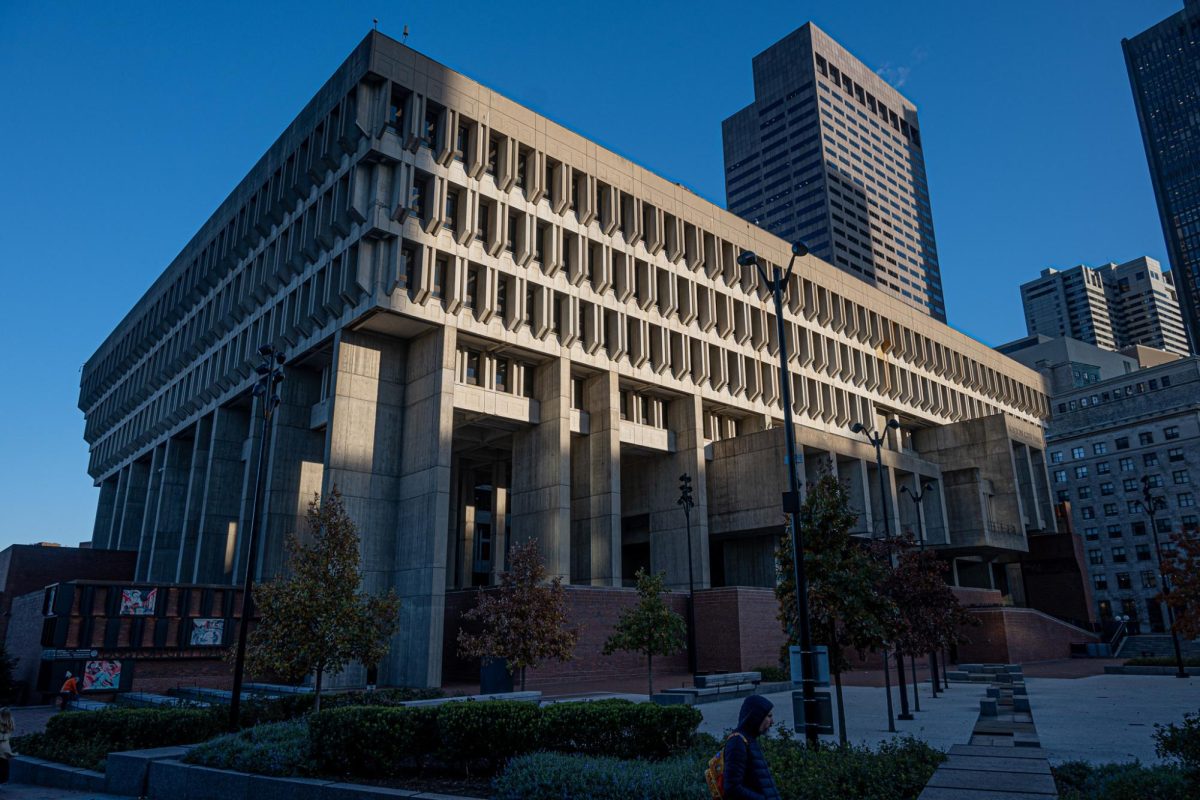
On March 23, Northeastern University students testified at a city council education committee hearing about administrative transparency, accountability, student rights, and student representation at their university and other higher education institutions across Boston.
The student-led Educational Freedom Project (EFP) took part in organizing the hearing. The group frequently advocates for institutional transparency across Boston’s private colleges.
According to Kaia Hayashida, EFP’s director of policy and a third-year politics, philosophy, and economics student at Northeastern, the group decided to go to City Hall after conducting surveys and outreach that revealed widespread dissatisfaction among students.
“We heard anonymously from over 1,000 students on the Northeastern campus that told us transparency and representation were things they considered to be issues on campus,” she said in an interview with The Beacon. “There’s just been general unhappy rumblings around Boston and at Northeastern about incidents that involve the lack of transparency.”
Emily Spatz, the editor-in-chief of The Huntington News, Northeastern’s student newspaper, testified at the hearing and beforehand published a Letter from the Editor explaining her rationale.
Spatz pointed to a “yearslong pattern that has impeded The News’ ability to carry out its mission” of informing the Northeastern community, including not having a sit-down interview with the university’s president, Joseph E. Aoun, in three years.
“When our requests for information are ignored, we significantly increase our potential to get things incorrect, decreasing our trust and credibility,” Spatz wrote in the letter.
The need for transparency now, according to Hayashida, is directly in response to a range of recent administrative decisions that have impacted campus life. This includes: changes to diversity, equity, and inclusion offices; a lack of addressing what the college is prepared to do against increasing ICE activity to protest international students; removals of flag allowances, which the college has since reversed; and stricter protest policies. She wrote that the students do not need to know every single thought process, but they do need communication about actions that are affecting their daily lives.
“We don’t even know with the level of transparency they have right now that they are thinking about these issues,” she wrote in the letter. “International students are thinking, ‘Am I protected on campus? Is my university going to look out for me?’”
Emerson College has faced similar changes, with calls for transparency among the student body about the renaming of DEI offices, reconsolidation of some offices, financial struggles and layoffs, and new protest policies.
Spatz’s testimony referred to Emerson when discussing the way Northeastern’s administration is far less responsive than other schools to statements and interviews. At Emerson, the college has answered every formal request for a statement by The Beacon, but according to Spatz’s testimony, this is not the case for Northeastern.
Emerson has been following the hearing, a spokesperson told The Beacon in a statement.
“We are aware of the hearing and were pleased to see Emerson noted as a college that is actively engaged with our student paper,” the statement read. “Our media relations team is extremely responsive to inquiries from the Beacon, and President Bernhardt has repeatedly sat down with reporters and editors, including spending more than three hours with the Editor-In-Chief in Fall 2026.”
The spokesperson said the college will continue to stay engaged with the city, but does not feel the council hearing is applicable to Emerson.
“So, while we watched the hearing with interest and respect for the City Council’s process, we do not feel it is relevant to us, given our demonstrated track record,” the statement continued.
Institutional transparency, according to Hayashida, goes beyond general communication. She said students are pushing for clearer insight into university processes, including regular updates on major policy decisions and greater visibility into governing bodies like boards of trustees.
“We don’t know [the board of trustees’] bylaws … We don’t have a way to reach out to them,” she said. “We don’t even know when they meet.”
Students from Northeastern spoke with City Councilor At-Large Julia Mejia before the hearing about the lack of engagement between students and administrators, looking to elevate the conversation about student representation and rights on campus.
In a written statement to The Beacon, Mejia noted that students involved with the EFP raised concerns about how administrative decisions are communicated, how student voices are incorporated into conversations, and how campus leadership practices accountability.
“Boston is a city of students, and when students are consistently telling us that they feel shut out of decisions that directly impact their academic experience, housing, and well-being, that’s something we have a responsibility to act on,” Mejia wrote. “This hearing was about creating a public space to elevate those concerns and ask institutions to be more transparent.”
While District 7 City Councilor Miniard Culpepper presided over the hearing on her behalf, Mejia noted that the testimony revealed that issues of administrative transparency and accountability transcend Northeastern’s campus. According to Mejia, students and advocates across city institutions shared experiences similar to those at Northeastern.
Hayashida echoed this sentiment, emphasizing that the hearing brought together a wide range of voices across Boston’s higher education landscape, including Northeastern students, faculty, labor representatives, and students at other institutions.
“It was a way for them all to be united in their separate issues over this one structural issue. And so I think that was a really great start [to] everyone starting to work together,” Hayashida said.
Mejia wrote that the unity around this issue emphasizes that it is not one singular issue or campus that is affected.
“The testimony helped move the conversation forward by putting these concerns on record and showing that this is a broader structural issue, not isolated incidents,” Mejia wrote. “It also created an opportunity for students to speak directly about their lived experiences.”
Beyond organizing the hearing, Hayashida said the work has already begun to reshape how EFP engages with other universities. She added that student involvement has been central to the effort through momentum building and pushing students to collectively organize.
“As long as people understand they have the power to take action, I think that’s a first step, no matter what that action ends up being in terms of these specific issues,” she said.
While the City Council does not govern the internal policies of colleges and universities, Mejia sees an opportunity to push for change.
This leverage, from Mejia’s perspective, includes approvals for future development, community impact discussions, and further conversations surrounding the city’s Payments in Lieu of Taxes (PILOT) Program.
Boston’s PILOT Program is a voluntary initiative where large nonprofit institutions, including universities, contribute funds or community benefits to the city in recognition of the municipal services they use. These payments, along with negotiations over campus expansion and development projects, give the city opportunities to engage institutions on broader issues.
Mejia believes such conversations offer a productive space where clear expectations around transparency and accountability can be shared.
“Moving forward, we’ll continue to create space for student voices, build public pressure, and explore policy pathways that encourage greater transparency,” Mejia wrote. “These institutions benefit from being in Boston, and there is a responsibility that comes with that.”
Culpepper believes the Northeastern administration heard the students who testified at the hearing “loud and clear.”
“I’m sure Northeastern understood what the students were looking for. I’m sure Northeastern is a better partner with the students and [is] being more transparent with the students,” she said in an interview with The Beacon.
For Hayashida, the broader goal extends beyond a single institution. She said the effort is ultimately about strengthening higher education as a whole.
“It’s not us trying to bash our universities and hurt them at a time when they’re already being kind of torn apart on the federal level,” she said. “It’s more of us recognizing what a good quality university experience contributes to students and society and wanting to preserve that and improve that.”