


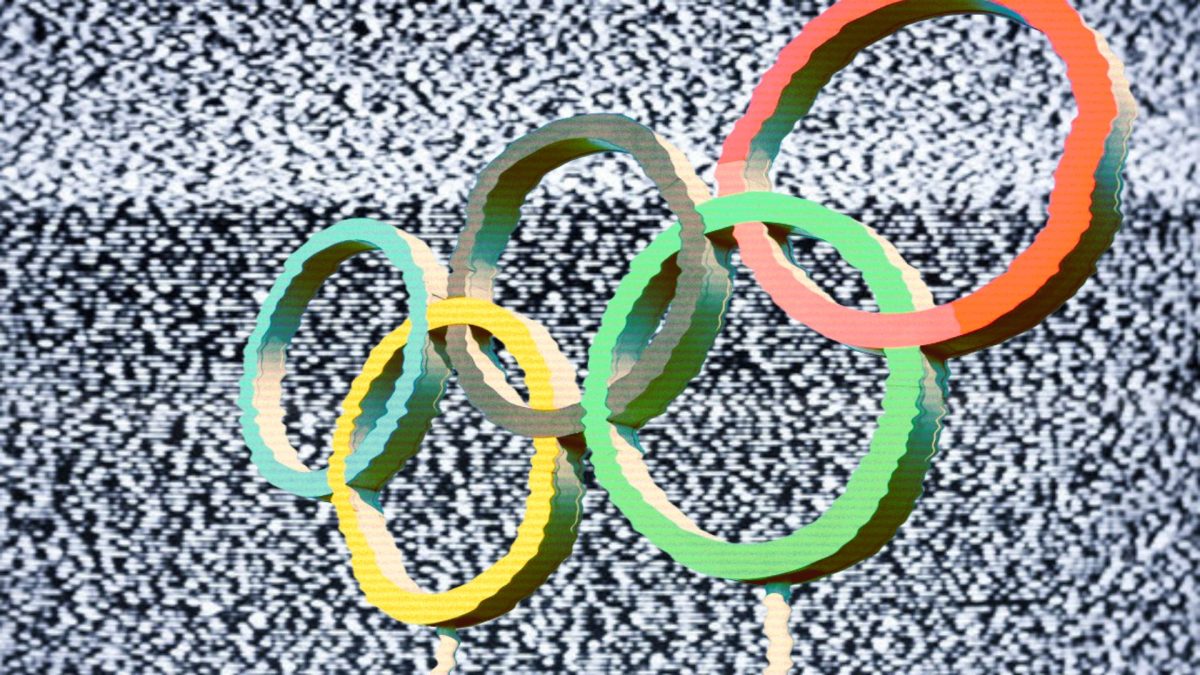
I recall watching the Winter Olympics in South Korea with my family in 2014, the television glowing long past midnight as we waited for the next game to begin. My parents would fall quiet during the figure skating routines, and even sports that we rarely watched suddenly felt urgent because they carried our flag beside them. For those two weeks, the world felt synchronized.
For decades, the Olympics have been a global spectacle, uniting nations under the banner of athletic excellence. However, as the 2026 Winter Olympics Games currently unfold in Italy, it’s clear that the event no longer captures the widespread attention it once did. According to an article from Sports Media Watch, the 2022 Beijing Winter Olympics recorded the lowest prime-time ratings in NBC history, marking a significant decline from previous winter games. This all-time drop in traditional television audiences reflects a broader challenge for the Olympics in maintaining mass broadcast appeal.
Several factors explain the shift in audience engagement with the Winter Olympics. First, winter sports are niche — this means many casual viewers cannot name more than a handful of Olympic disciplines. According to reviews.org, popularity was at its peak in events such as figure skating, ski jumping, and snowboarding, with niche sports such as biathlon and skeleton drawing smaller audiences.
Meanwhile, the digital age has transformed consumption habits: Highlight reels and TikTok clips have replaced full-length broadcasts as cultivators of Olympic coverage, and younger viewers increasingly turn to social media for highlights. While this solves the issue of time zone complications for viewers, this “snackable content” approach satisfies the curiosity, but reduces the collective viewing experience that once defined the Olympics. The events’ slow pace — days of preliminary rounds, long ceremonies, and complex scoring systems — can feel outdated compared to the rapid-fire gratification offered elsewhere. Even the excitement of dramatic wins or record-breaking performances —which families used to consume on TV in real-time — may fail to capture attention if viewers are already consuming content in 20-second investments.
This is where the Olympics could improve significantly. They need newly developed marketing strategies and digital engagement that meet people where they already spend their time. Short interactive content and social media campaigns accentuating human stories behind athletes could make the Games feel more relevant again.
Yet, controversies and debates surrounding the 2026 Olympics have also contributed to declining interest. According to NPR, environmental groups have questioned whether the Games’ sustainability promises align with the ecological costs of preparing mountain resorts as well as infrastructure for an event lasting only a few weeks.
International tensions, including political boycotts and controversies over athlete eligibility, only punctuate a cynical narrative of the Games among viewers. Several diplomatic boycotts happened during the 2022 Olympics, in which countries such as the U.S. and the United Kingdom declined to send official delegations over human rights concerns in China.
The International Olympic Committee (IOC) and host countries could strongly benefit from transparent communication of these issues, proactive campaigns showing how the Games positively impact local communities, and publicly-touted sustainability initiatives. Marketing alone isn’t sufficient; it needs to serve meaning and purpose as well as target a particular audience. Polls that led up to the 2026 Winter Games found that the majority of winter sports fans and residents in host nations’ markets did not want fossil fuel companies advertised in Olympic marketing — yet the Games were sponsored by Italian technology energy company, Eni, and many climate-concerned voices criticized that choice.
Even amid the challenges, the Olympics remain culturally and symbolically powerful. They are a stage for stories of perseverance and triumph — moments that unite people across national, political, and cultural divides. Figure skater Yuna Kim’s gold medal performance in the 2010 Winter Olympics in Vancouver became a notable cultural moment in South Korea, and ski jumper Ryoyu Kobayashi’s record-breaking flights have reframed the sport’s limits. In Milan and Cortina, athletes are still achieving personal and historical milestones, but the declining engagement among the broader public raises an immediate question:
Can the Olympics maintain their relevance in a world overflowing with entertainment options and competing spectacles?
Despite the challenges, I believe the impacts still have a path forward. The IOC and host nations must consider how to make events more accessible, engaging, and culturally relevant. This includes embracing digital platforms for interactive experiences, offering highlights tailored to social media, and creatively connecting Olympic stories to local and global issues that resonate with younger audiences.
A stronger focus on marketing and audience engagement isn’t just helpful, but essential. The 2026 Olympics in Italy serve as a wake-up call: future hosts must honor the tradition, but embrace change. The Games have always been more than a sport — they are mirrors of society, reflections of global culture, and stages for humanity’s best aspirations — and I believe that strategic marketing, digital storytelling, and interactive engagement are necessary in ensuring the Olympics continue to inspire the next generation of viewers.
There is reason for optimism. The core of these events, the stories of human achievement, resilience, and unity remains compelling. If organizers can adapt to the realities of a fragmented, digital first world, the Olympics may yet reclaim a place in the hearts of audiences worldwide.
