


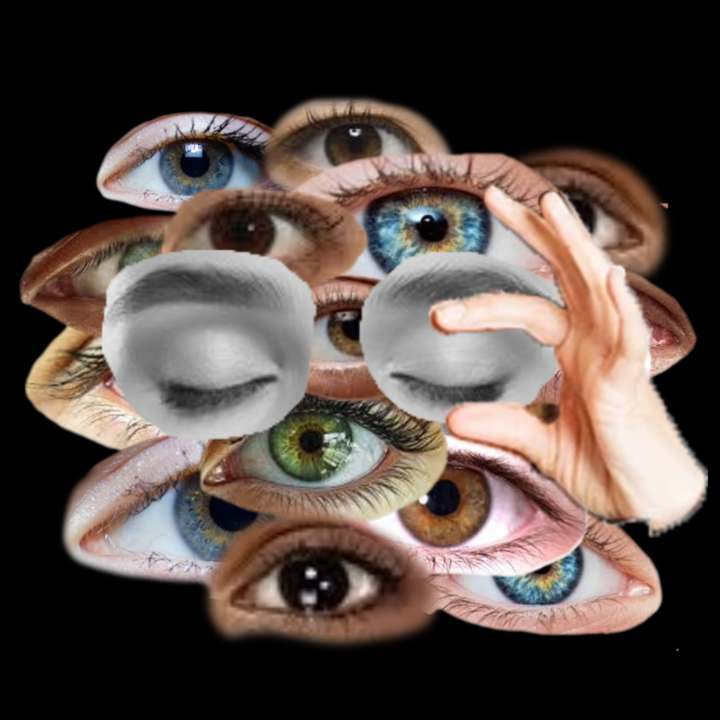
Is woke really back? It sure seems like it, as Zohran Mamdani begins his transition period in New York City and Democrats elsewhere won their races decisively.
Those who hold dual citizenship on the internet and with the left have been thrilled lately, sharing posts across social media that pronounce that woke is back and ‘libbing out’ is in, and I do not mean to simply play devil’s advocate, but is woke really back? Does winning one off-year election cycle mean that the left should celebrate?
I think not.
The term “woke” originates from African American Vernacular English in the 1930s and generally means to be politically conscious and aware of social injustice.
“It comes out of the experience of Black people of knowing that you have to be conscious of the politics of race, class, gender, systemic racism, ways that society is stratified and not equal,” according to Elaine Richardson, a professor of literacy studies at The Ohio State University.
Since then though, the term has been used as a hollow-point bullet in the culture war that has ravaged American society. It reentered mainstream discourse in the midst of the Black Lives Matter movement, used by critics to dismiss the reality of systemic racism. Republicans and Democrats alike have disparaged the word to invalidate progressive ideas without really caring for the people they attempt to represent. It has become a central plot point in the theater of politics.
But wokeness should not be political. To be woke is simply to have empathy and a sense of class consciousness. The internet shouldn’t be celebrating the victory of Democrats like Mikie Sherrill and Abigail Spanberger as if their elections have changed the world.
This, of course, is much easier said than done. Although I am not from New Jersey or Virginia, Sherrill and Spanberger’s wins are still important to me. I do not mean that Democratic Socialists have to be elected into every office in the country—because this is just impossible—but the election of two more establishment Democrats, although they are women, does not represent social progress.
Both of their platforms were largely anti-Trump, which is admittedly the main way to connect with voters these days. Their victories—while certainly providing hope for progressive victories in next year’s midterms—feel more like playing good defense than actually winning or being woke.
Philosopher and scholar Judith Butler, speaking on gender in a 2023 interview, made this point: “We actually have to struggle to claim freedom.”
“Each of those struggles [anti-slavery, suffrage, LGBTQIA+ rights] involve challenging people’s existing ideas of: who’s equal? Who has the right to be free? And how do we define justice? We are all the time struggling to achieve that goal,” they added.
It’s true—Mamdani, and even Sherrill and Spanberger, did struggle to win.
Mamdani overcame all odds: a 1% polling rate and almost a million angry New Yorkers. He has also lived a life consistent with his platform as an immigrant who founded his school’s SJP chapter. He even wrote progressive op-eds in college. One might just consider him woke.
Still, his school, Bowdoin College, is somewhat comically avoiding congratulating him. When liberal arts institutions like Bowdoin, or even Emerson, refuse to recognize and celebrate their wokest students, they are no better than Congress as they undermine essential social and political progress in its breeding ground.
“We need to reoccupy these notions and show that concerns with racial justice, gender equality, and gender freedom are an integral part of any democratic struggle,” Butler says, “especially if we want to rethink who the people are and what it means for them to live in freedom without fear.”
It’s promising that the word “woke” is being reoccupied, but if we want real political change beyond this last election, its implementation has to go beyond silly posts on X and TikTok. Nobody is going to help—it is up to us, as young people who have empathy, to do more. We have to get involved, beyond voting, beyond politics. The struggle is inevitable, we just have to take the first step. Encouraging you to build community is corny, sure, but I promise that I am being so serious.
Wokeness is a state of mind, and it never went away. Maybe now we can all wake up for real.



If being “woke” means targeting the one Jewish state for isolation while remaining silent as your home country of Uganda criminalizes LGBTQ+, then the term really has lost all meaning.