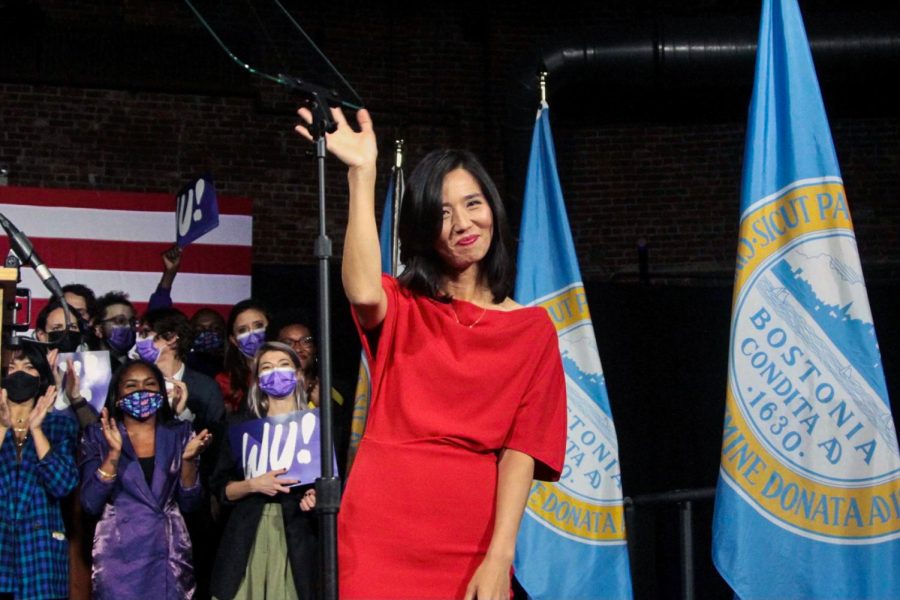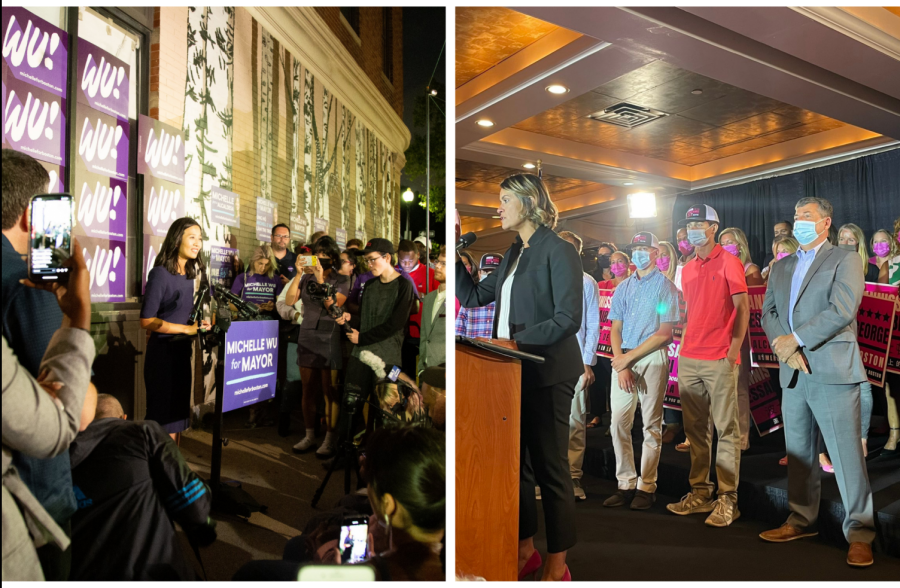


At a packed Boston Symphony Hall on Monday, Jan. 5, Mayor Michelle Wu was sworn in for a second term to lead the city. Wu ran unopposed in last November’s election after her opponent, Josh Kraft, dropped out of the race shortly after the city’s preliminary election.
After she was officially mayor for another term, Wu swore in members of the Boston City Council, discussed the administration’s progress over the last four years, and articulated her agenda for the next term.
In her inaugural address, Wu touted a citywide response to combat the “broken status quo” at Massachusetts Avenue and Melnea Cass Boulevard and permanently end encampments in the city.
“We refused to accept the broken status quo at Mass and Cass, coordinating a citywide response to permanently end encampments and connect thousands of people to recovery,” Wu said.
This was in reference to the Unlawful Camping Ordinance, which prohibits tents in public rights of way. It was passed by the Boston City Council in October 2023. The ordinance is also the legal mechanism that resulted in the arrest of 118 pro-Palestinian protesters at Emerson College’s “Popular University Encampment” on April 25, 2024. The action garnered harsh criticism from the public, including some in elected government.
“I don’t think that this is going to be what saves us. I don’t think that this is ultimately going to be the solution,” City Councilor At-Large Ruthzee Louijeune said at the October 25, 2023 city council meeting while the ordinance was debated. “But can it be part of what’s getting us there? I believe so, as long as we are protecting people’s First Amendment rights.”
After the ordinance was passed and signed into law by Wu, American Civil Liberties Union Massachusetts Executive Director Carol Rose said in a statement that the group would be “watching” to ensure that people’s rights are not violated.
“The City must ensure that people’s property is safeguarded, and that available temporary housing includes realistic options for the people who will be displaced from their only living situation and cannot sleep in congregate settings due to disability or family circumstances,” Rose said.
With 4,200 affordable homes built during her first term, Wu highlighted that more than 2,000 are currently under construction or in the pipeline to be constructed.
“We’ve seen how much is possible because of how far we’ve pushed forward together. And we need to keep pushing,” Wu said in her inaugural address.
Since President Donald Trump was sworn in for a second term, Boston and Wu have been targets of the federal administration. Last January, Trump border czar Tom Homan vowed to “bring hell with him” to Boston due to the city’s status as a sanctuary city. Trump himself threatened to pull seven of this year’s FIFA World Cup games out of Boston, claiming the city was taken over by civil unrest.
Wu has refused to back down against federal threats. In her State of the City address last March, Wu said “no one tells Boston how to take care of our own,” and reflected similar sentiments on the inauguration stage.
“This federal administration has plundered our economy, ravaged our reputation, torched our institutions, and destroyed the lives of our people,” Wu continued in her inaugural address.
The National Guard was deployed to other cities that Trump has deemed unsafe in 2025, including Los Angeles, Memphis, and Chicago. After federal judges ruled Trump’s deployments unconstitutional, the president announced the military would pull out of the impacted cities.
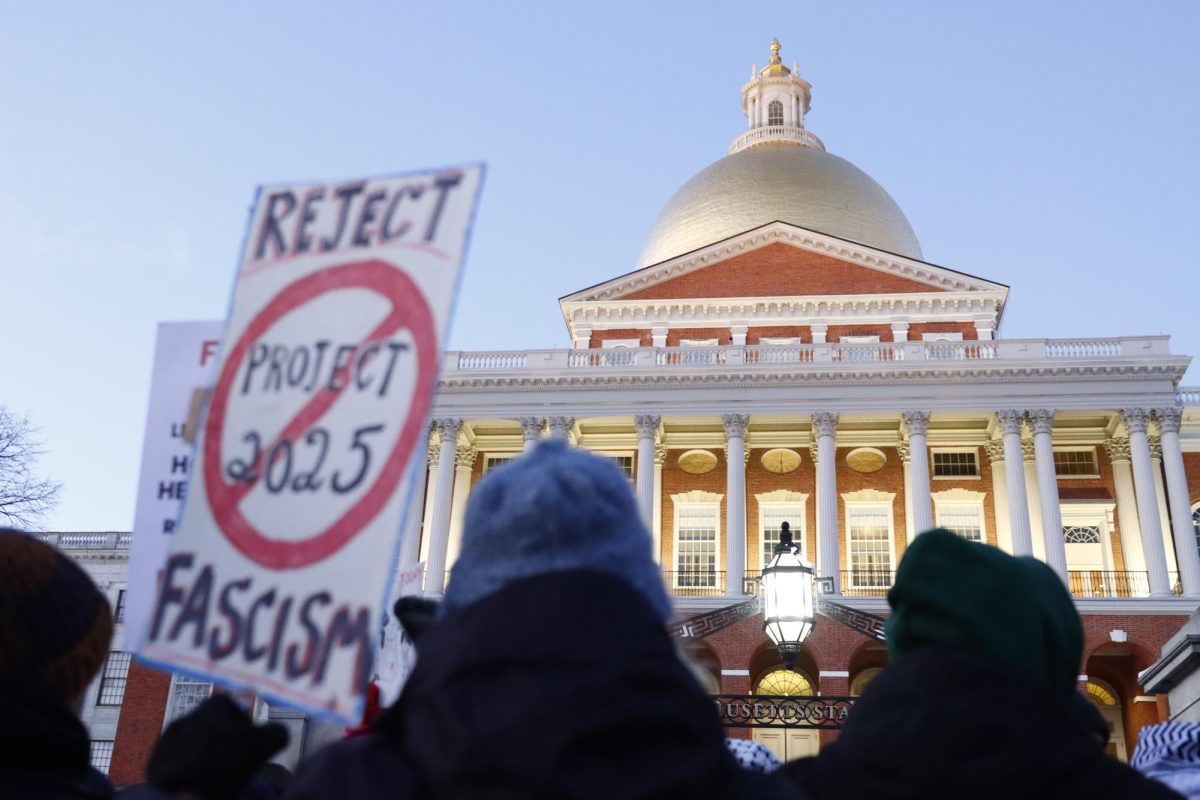
Despite Wu’s pushback, there has been criticism of the arrests of pro-Palestinian protesters on Oct. 7, 2025. The protesters were handed down charges of “promotion of anarchy,” which have since been dropped. Some had believed at the time that the anarchy charges were meant to show the federal government that Boston is not “soft on crime.”
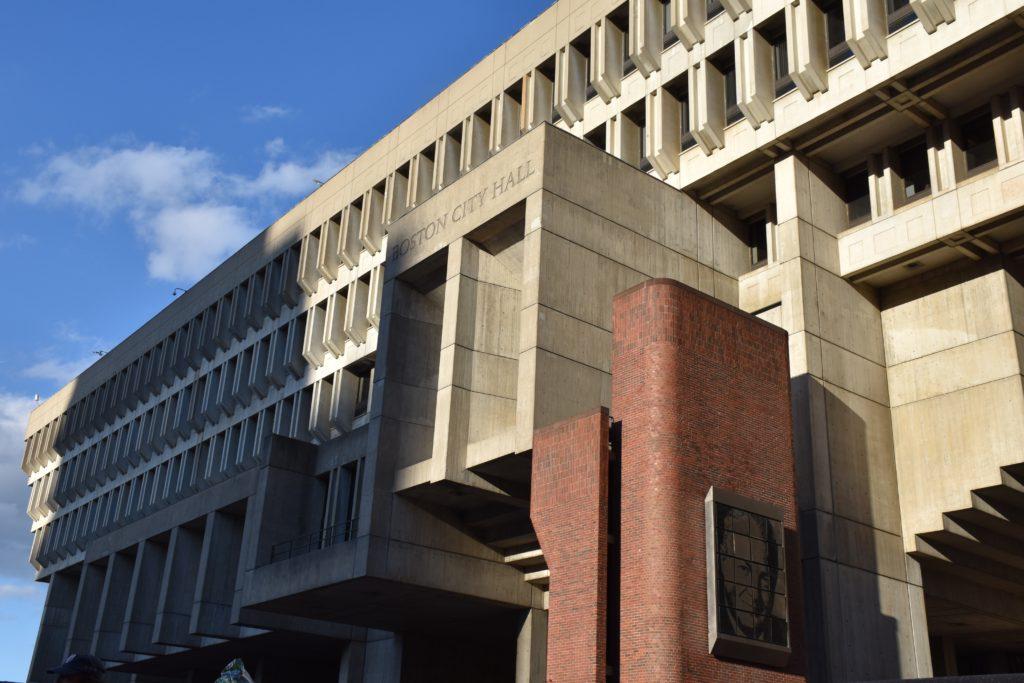
Just two days after the inauguration ceremonies, Renee Nicole Good, a 37-year-old mother of three, was shot and killed by an ICE agent in Minneapolis. Protests have since erupted across the country, with organizers in Boston marching toward City Hall and demanding an end to Trump’s deportation efforts.
In line with Wu’s stance against the Trump administration’s immigration policies, she decried the actions taken by ICE in Minneapolis.
“Once again, we can see with our own eyes the cruel and vicious agenda of the Trump administration,” Wu said in a statement on social media following the shooting. “To protect our residents, we must end the mass deployment of ICE agents into American cities and restore rule of law and basic accountability from the federal government.”
In order to highlight Boston’s role in standing up for democracy, Wu borrowed the opening words from the Declaration of Independence in her inaugural address.
“But, when in the course of human events it becomes necessary for a city to stand as the beacon for freedom and proof of what’s possible — a testament to the endurance of American ingenuity and civic success, Boston will be that beacon,” Wu said.
Concluding her remarks, Wu committed to local government being the bedrock of delivering results for Boston residents.
“If we can invent America, then we can be the city that forges the path forward in this moment,” Wu said.
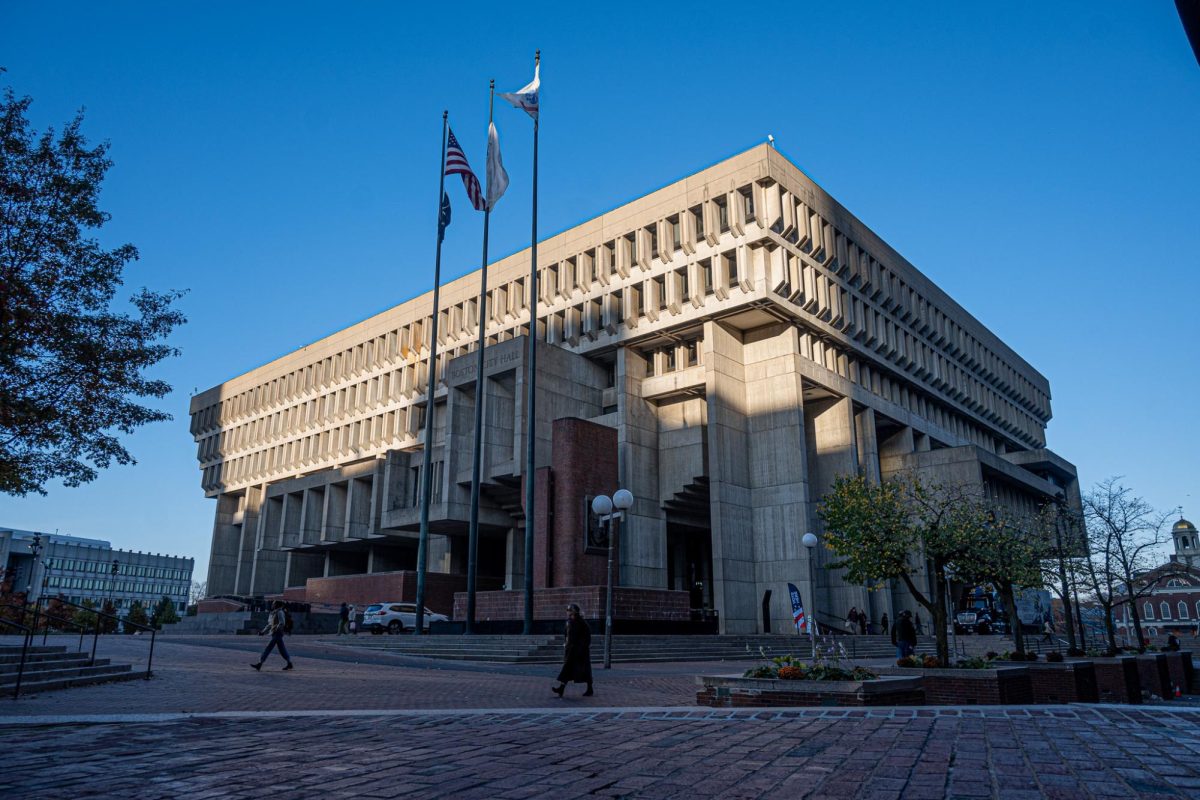
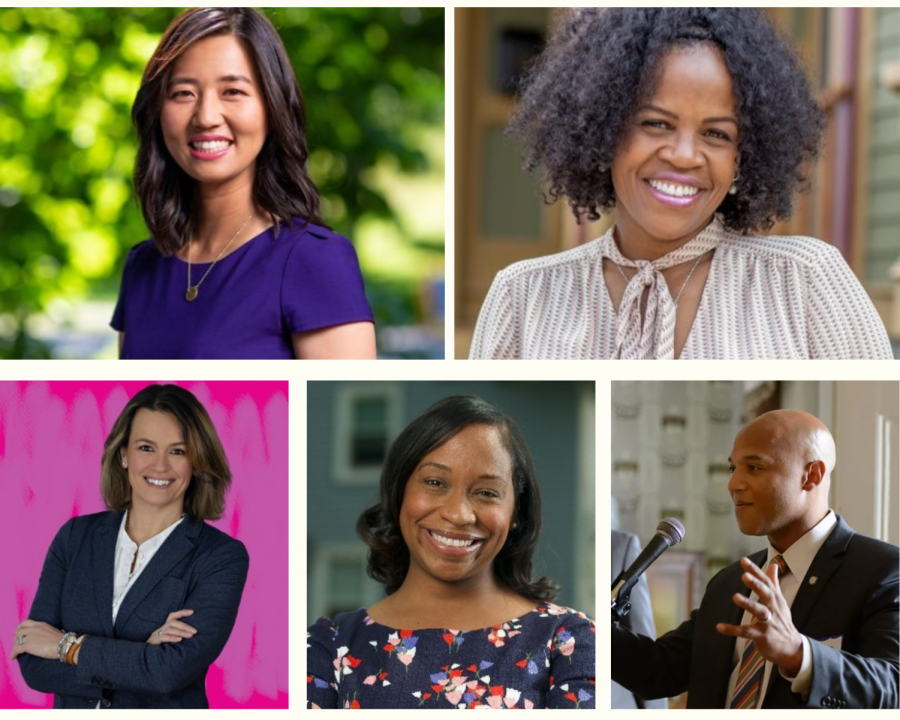
Back at City Hall on Jan. 5, the City Council was gavelled in for the first time to elect its president for the upcoming term. District 9 City Councilor Liz Breadon edged out victorious 7-6 against District 4 City Councilor Brian Worrell.
“In this role, I learned that leadership is not about titles, but persistence,” Breadon said in her victory speech. “It’s about showing up again and again, even at those times when it’s most difficult.”