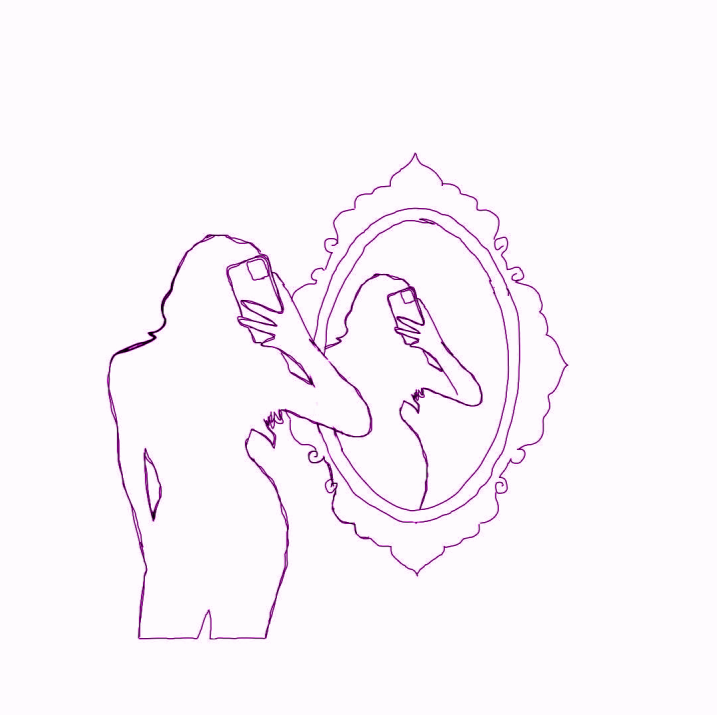


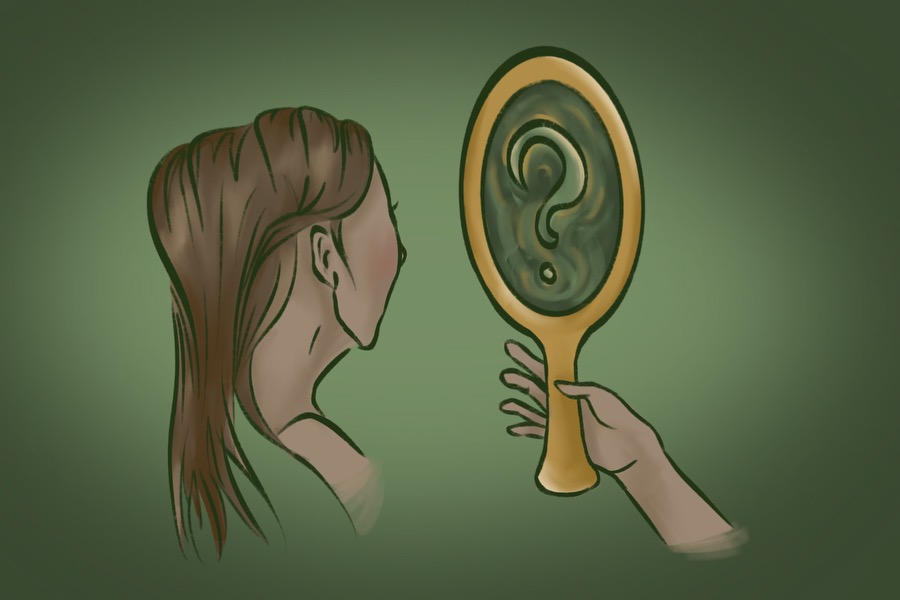
Would you think I am attractive based on the way I write? Maybe based on the language I use, or my niches? Not to break the fourth wall, but I wonder this because I don’t know who’s reading this, just like you don’t know me outside of the writing I publish.
You can assume my opinions based on the topics I write about or the paper I am writing for, but you’ll never know the real answer. Most readers won’t ever know what I look like, and so, my appearance doesn’t affect your opinion of me—even though it might if you could see me.
Is being attractive a privilege, a burden, or both? I ask this question as someone who got compliments from strangers on my height or the color of my eyes when I was younger, but only get those compliments now from strange people on the train. In those moments, it feels like a burden. Being called out for my body, the clothes I’m wearing, or my overall appearance can be comforting from the right people, but still demeaning and heavy from the wrong ones.
Yet I still gain privilege from the same remarks that feel degrading when called out. Whether it be a free coffee or an employee discount, this “perk” brings a sense of guilt when it’s out of context, even though I should feel appreciative.
I have been noticing a lot of discourse online about how Gen Z judges each other based on looks. This is not a new concept, yet it feels easier today than ever before. Because of how accessible everyone has become due to the internet, you can hold prejudice toward anyone you see. When scrolling through social media, you meet millions of people from all over the world that you only know for that one moment. Still, opening the comments, you’re met with others discussing that stranger’s life as if they know the creator personally.
Not only is this an issue with public figures, but ordinary people too. I find it interesting when someone I don’t recognize shows up on my Instagram feed, noticing their post has hundreds of thousands of likes, then opening the comments to see people fixated on one small detail in the photo which I hadn’t even really spotted.
When I first realized the phrase “don’t judge a book by its cover” was applicable to just about anything, I was exposed to how much prejudice happens in my everyday life. I avoided so many situations because I was “too scared” of the perceived outcome, or filtered out new media based on my previous notions and interests,cutting myself off from certain music based on one song or the album cover. How we react to what we see online connects to how we act in person when confronted with new people or ideas.
Still, Gen Z is constantly worried about their appearance and how people perceive them, because we know the world is always looking.
In a recent conversation, a friend mentioned how it pains them that certain people from their past will never know the person they are now. I thought about this in relation to how much my life has changed since coming to Emerson College. Moving 1,000 miles away from home and making new friends, picking up new hobbies, and seeing new things have all had an effect on me as a person, both positive and negative.
In that same way, what we see online shapes the ideal of who we want to be, and in turn, knowing others are watching affects how we act. I could write all of these opinion pieces trying to convince myself and others of a topic, similar to posting our best photos on Instagram, because I know others are watching. But at the end of the day, whether or not people read my pieces doesn’t change how I feel about the opinion I wrote, just like whether people find me attractive or not from my Instagram pictures doesn’t dictate whether or not I’m actually attractive.
It is still important to carry yourself with confidence no matter what that person on the train says about your body or what your ex tells their friends about you. People are going to say negative things about you no matter what you do. So really, I should not be asking you whether you think I am attractive based on what I write.
Because, in all honesty, I know that I am.