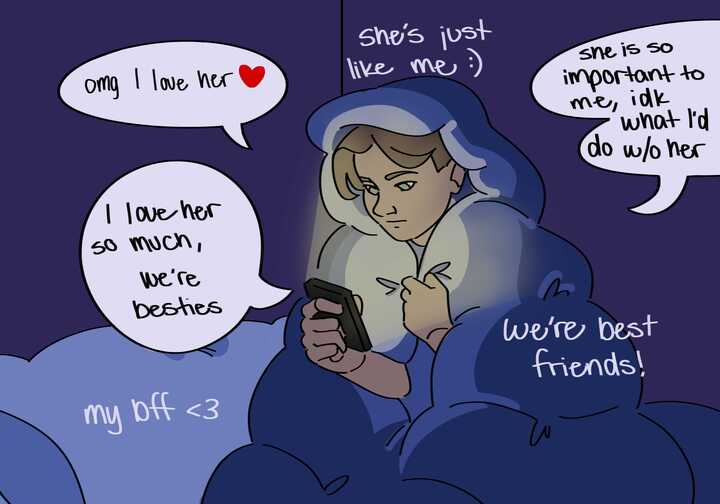


Everyday my social media feeds are filled with discourse on romantic relationships and the stress that comes with any kind of romantic rapport.
When I see these posts, I ask myself: What has romance become? Or even, how has romance changed, both through the advent of social media and in my own life? I cannot help but wonder what causes this and why I keep putting myself in these confusing relationships with men. Was romance really dead? Or was I contributing to this idea by getting undressed for it every weekend?
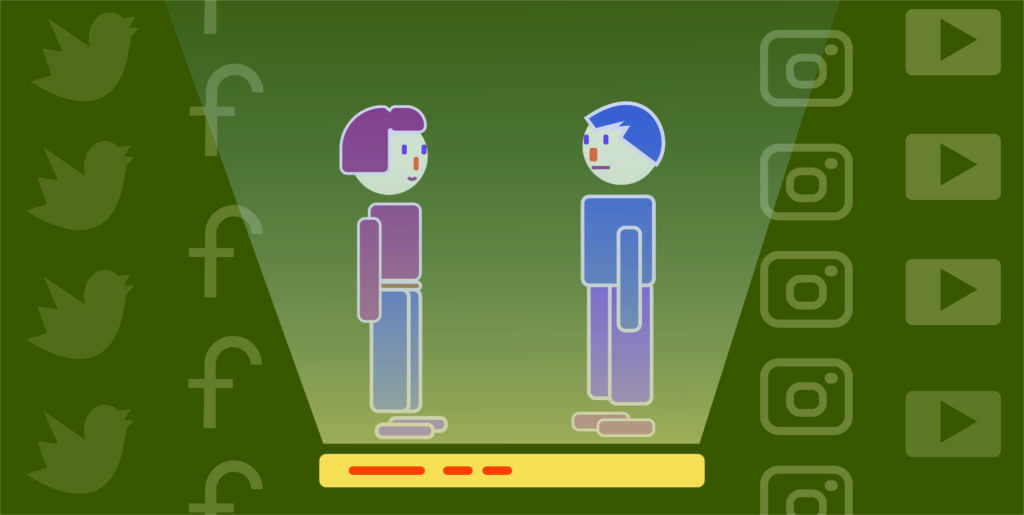
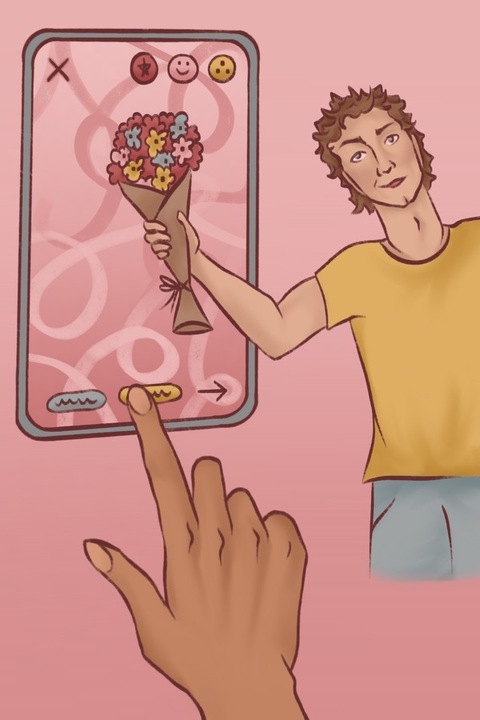
The idea of romance has been carefully taken apart and remanufactured through internet culture. Social media has reshaped how we desire, pursue, and discard one another. It feels like every conversation I have about my friends’ romantic relationships is something about “friends with benefits” or “situationships.” But in all honesty, I am not entirely innocent in this concept of noncommittal relationships. It is so easy to fall into this trap because of the online dating world and how simple it is to get into contact with anyone in your city. These lines have become blurred because of how normalized a “situationship” is. But it continues to be exhausting constantly trying to figure out what I want out of a relationship when I am constantly being fed these ideals from social media, while also battling with my own self-image, alongside the feelings of hypersexuality that social media facilitates.
The normalization of hypersexuality is not a sign of sexual liberation or emotional sophistication — it’s a sign of a generation and culture conditioned to avoid vulnerability while constantly performing to be desired. It is disappointing to see young girls on my social media feeds, wearing revealing clothing and partaking in a culture that is creating their future for them before they fully understand it. I know this story all too well; I was also given open access to the internet at too young of an age. While I was in no way wearing revealing clothing, I was still surrounded by these ideals through my tablet screen.
This adds to the discourse about social media and the recent shift towards internet regulation for minors. Australia has become the first country to ban any social media for those under 16. Other countries, like the United Kingdom, have watched closely with the possibility of this same ban in their future.
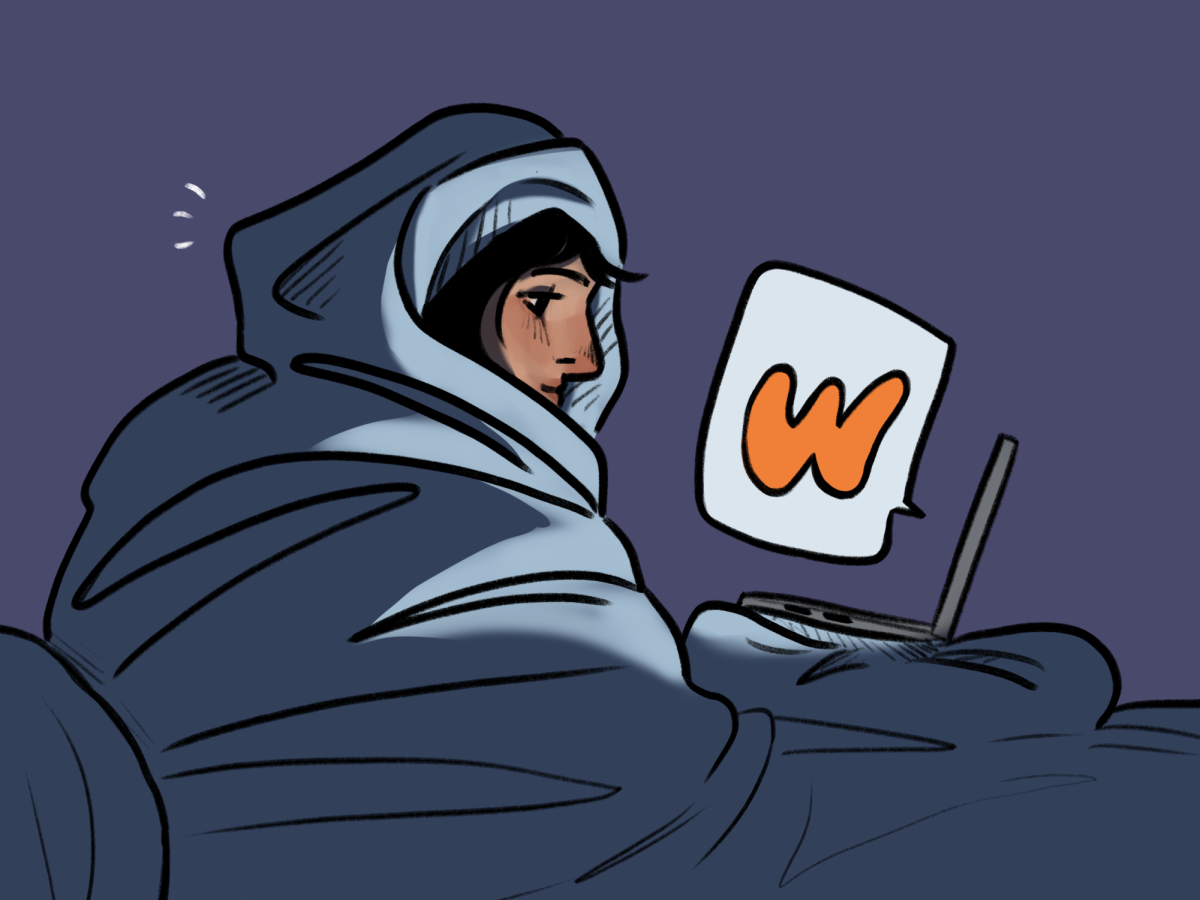
Being introduced to sex at a young age is what I believe to be the cause of this need to be desired. For my generation, it coincided with the rise of online fan fiction: creative writing pieces that involve any celebrity or fictional character you can think of. With this came smut — these same fan fiction pieces that mostly revolved around sex, and really just served as a form of easily accessible literary pornographic media. Unbeknown to me at the time, these stories fed my desire to be loved, both emotionally and physically.
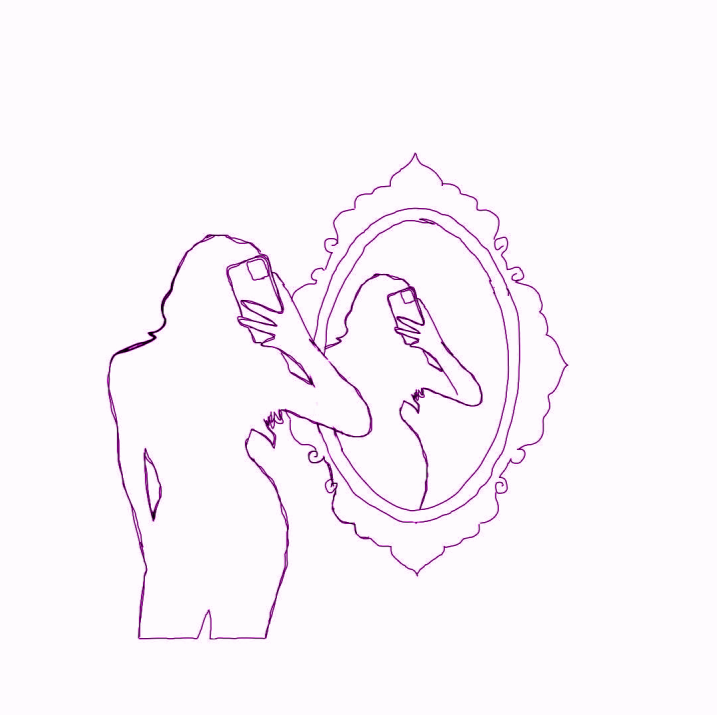
In a culture that celebrates exposure, intimacy has become obscene. In British feminist film theorist and filmmaker Laura Mulvey’s essay, “Visual Pleasure and Narrative Cinema,” she argues that “visual culture” trains women to see themselves as objects to be looked at rather than subjects who desire. Mulvey describes a culture where women learn to watch themselves being watched. Even though Mulvey’s argument pertains to film, social media acts as her worst nightmare. This relates directly to how you don’t choose hypersexuality, you’re being trained to accept the idea. Posting your body and maintaining this hyperawareness of being seen tailors young people to the idea of social media and hypersexuality, and ultimately leads to confusion of personal desire.
Romance isn’t dead — it’s just been made embarrassing. In a culture that rewards exposure but punishes need, wanting to be loved openly feels more transgressive than undressing ever did. We’ve learned how to be seen, how to be consumed, how to desire without asking for too much in return. We’ve been trained to keep intimacy casual and feelings ironic, to mistake detachment for self-control.
I don’t stand outside this culture. I’ve participated in it, benefitted from it, let it shape how I love and how I am loved. I learned romance through screens before I learned it through people. I learned sex before safety, fantasy before tenderness, and performance before vulnerability. And maybe that’s why the idea of romance feels so fragile now — not because it disappeared, but because it requires something we’re no longer encouraged to give.
What feels truly illicit today isn’t sex or desire, but sincerity. Wanting commitment without apology. Wanting to be chosen without pretending not to care. Wanting intimacy that can’t be monetized, posted, or scrolled past. Romance still exists, but only for those willing to risk feeling uncool, unguarded, and exposed in ways that no algorithm can reward.
Maybe romance hasn’t been destroyed. Maybe it’s just waiting for us to stop performing long enough to want something real again.