



Gen Z is having less sex and everyone can’t stop panicking about it.
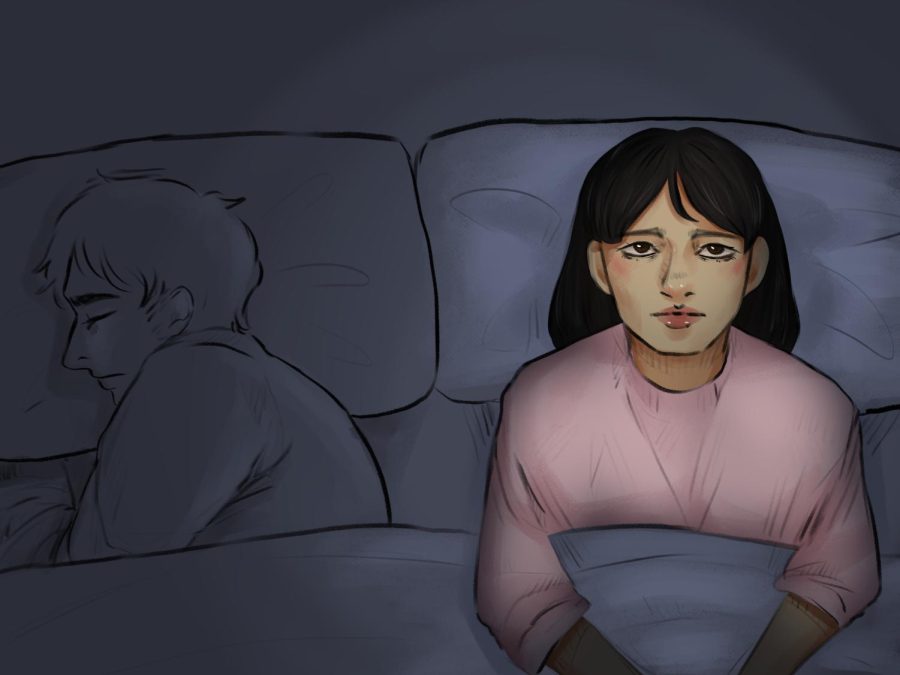
For years now, headlines have warned of a so-called “sex recession,” framing younger generations as socially stunted, screen addicted, or afraid of intimacy. As byproducts of COVID-19, the digital age of the 2000s, and this new era of AI, the assumption is simple: Gen Z is broken, and having less sex is a clear indicator. But what if nothing is wrong at all? What if Gen Z’s “sex recession” isn’t a crisis, but rather a cultural reckoning rooted in autonomy, consent and political fear?
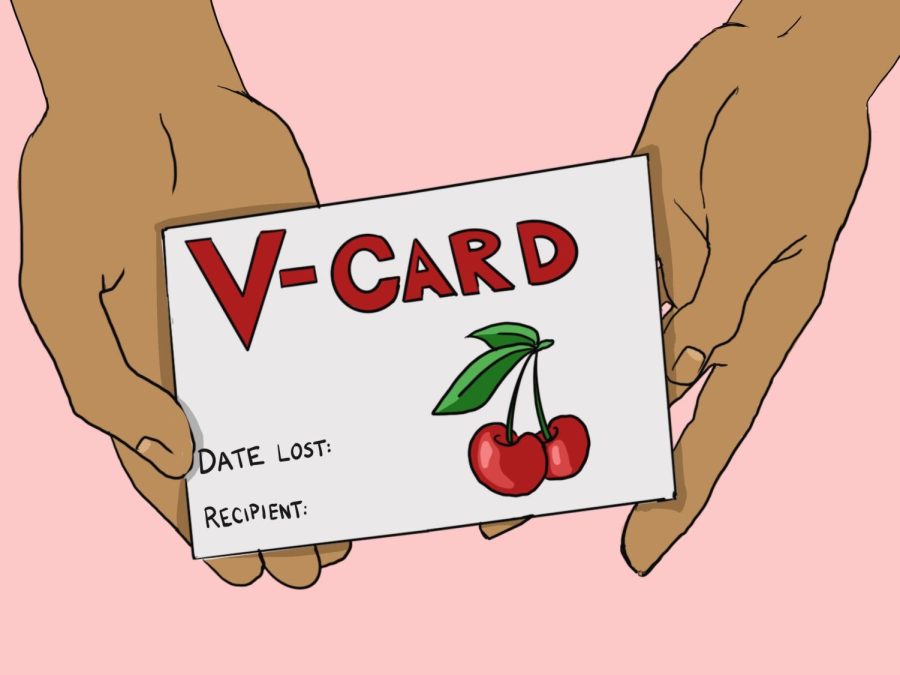
In 2021, only 30% of teens reported having sex, down from 38% just two years earlier and dramatically lower than rates reported several decades ago, which saw more than half of teens having sex. Yet numbers alone cannot explain the widespread cultural anxiety surrounding the statistics. That answer lies in the way sex has long functioned as a cultural expectation, particularly for women, and how Gen Z is dismantling that expectation.
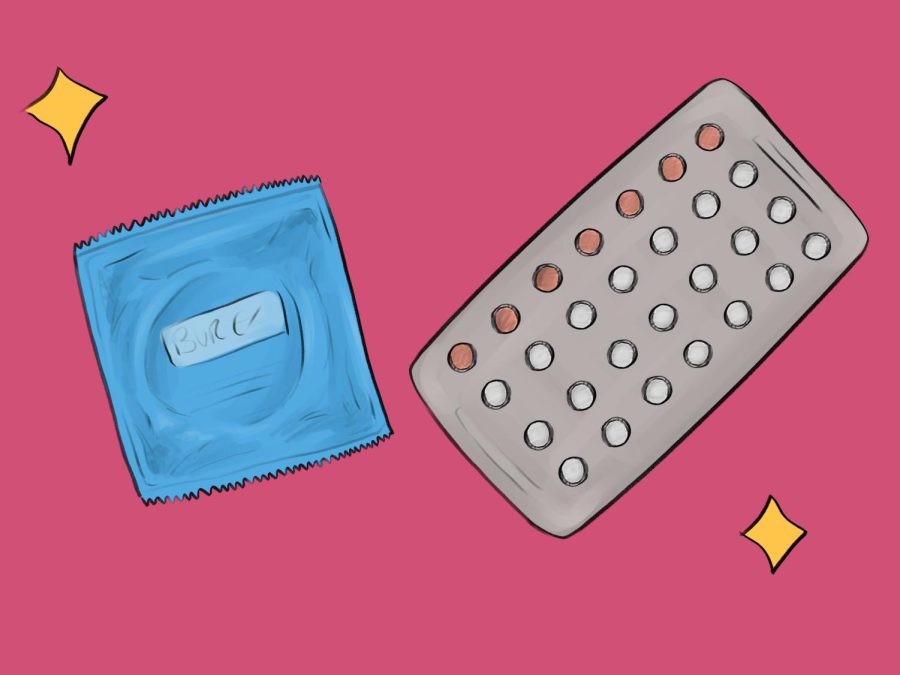
For decades, hookup culture was framed as sexual liberation from the chains of marital sex. After the sexual revolution peaked in the ‘60s, casual sex was positioned as proof of progress: Women finally had birth control and the freedom to separate sex from reproduction. This normalization of casual sex soon transformed into obligation, and opting out of hookups was then considered insecure and prudish. Hookup culture reproduced the very pressures it claimed to dismantle. Sex was no longer a choice but a performance catered to a misogynistic lens.
Gen Z’s disengagement from this model represents a refusal to confuse availability with empowerment. Rather than treating sex as a social currency, which women in older generations were forced to depend on, many young people finally have the ability to question whether casual encounters serve them emotionally or psychologically. This shift is particularly visible among women, who are increasingly vocal about declining sex that feels hollow or one-sided. What critics interpret as disinterest may instead be discernment. Less sex does not equate to less desire; it indicates a reassessment of what desire is worth acting on.
This cultural power shift cannot be separated from the power of the media. Previous generations were raised on highly curated sexual narratives with magazines like Sports Illustrated, mainstream films, and advertising that centered female sexuality aimed to please male desire. These narratives taught young women that sex was something to offer, not something to evaluate — while also teaching young men that sex was an expectation rather than a choice. Gen Z, by contrast, has grown up immersed in social media, where alternative ideas about sex are visible and abundant. Through platforms like TikTok, Instagram, and YouTube, young people encounter users openly discussing celibacy, asexuality, and the emotional labor which accompanies sex.
Most importantly, they see refusal without shame.
In this way, social media counteracts the patriarchy through bypassing traditional cultural viewpoints and making room for previously stifled attitudes. Instead of inheriting a single narrative about what sex should look like, Gen Z evaluates multiple perspectives, teaching them that opting out is not only acceptable but often empowering. Saying no is no longer invisible. It is documented, validated, and shared.
This cultural shift is further supported by Gen Z’s access to information. Unlike previous generations, Gen Z has unprecedented online access to conversations about mental health, emotional well-being, and bodily autonomy — all topics that were once considered taboo. As a result, societal pressures around “normal” levels of sex and desire are losing their authority. Sex is no longer framed as a natural bodily demand that must be satisfied to remain healthy or desirable. Instead, it is increasingly understood as a choice, one that aligns with emotional readiness, safety, and personal values.
This emphasis on choice is inseparable from the rise of consent culture. For Gen Z, consent extends far beyond a verbal yes. It includes emotional comfort, power dynamics, timing, and mutual desire. Conversations about consent now coexist with education around STIs, pregnancy prevention, and emotional boundaries, allowing young people to approach sex with a level of risk assessment that previous generations often lacked. Older sex education revolved around abstinence, which left teens clueless about how to approach sex in a healthy way. Now, with greater awareness and better education, teens can make confident and informed decisions about choosing not to participate when the risks outweigh the rewards.
Importantly, this caution is not irrational. It is shaped by structural fear, particularly in the wake of the 2022 overturning of Roe v. Wade. The loss of federal abortion protections fundamentally altered the stakes of sex, especially for women. In a landscape where access to abortion, birth control, and reproductive healthcare is increasingly restricted, sex now carries more imposing legal, medical, and financial risks. The message is implicit but unmistakable: sexual activity can be punished.
This disciplinary reframing of sex is reinforced by the defunding of Planned Parenthood and ongoing attacks on reproductive healthcare, such as a new focus to ban mifepristone, “the abortion pill,” which is used to carry out abortions and treat miscarriages. In such a climate, choosing to stay abstinent is not a moral statement but rather a response to diminished sexual safety. Teens would rather stop having sex than deal with life-altering consequences. Can you blame them?
The #MeToo movement adds another layer of difficulty. While the movement has been instrumental in exposing sexual violence and harassment, the lack of systemic reform in its aftermath has left many young people, especially women, feeling vulnerable. Without meaningful institutional accountability, sex can come to feel less like a site of pleasure and more like a potential site of harm. In this context, anxiety around sex is not a personal failure but a reflection of societal neglect.
Yet rather than acknowledging these realities, conservative political discourse has appointed Gen Z’s sexual behavior as evidence of moral decline. Pronatalist rhetoric, particularly in the Trump administration, frames declining sexual activity and birth rates as threats to the American family. The “sex recession” becomes a convenient narrative to argue that the “natural” order of gender roles have broken down and must be reinstated. The solution, according to this logic, is a return to a hierarchical sexual script: heterosexual, marital, and procreative sex, without access to abortion or hormonal birth control.
This reveals the administration’s true concern. What is being mourned is not intimacy or connection, but control over bodies, reproduction, and gender norms. Gen Z’s sexual autonomy challenges the assumption that sex should serve social, political, or economic ends. In choosing less sex, Gen Z refuses to give into expectation, fear, or ideology.
Cultural panic historically emerges at moments of transition, when old scripts no longer function. The anxiety surrounding Gen Z’s sex lives reflects a broader discomfort with a generation that insists on agency in every aspect of intimacy. In a culture that commodifies sex while punishing its consequences, refusal becomes a powerful form of resistance.
Gen Z’s so-called sex recession is not a crisis of desire but a critique of the systems that have historically governed it. Less sex does not signal withdrawal from intimacy; it signals a demand that intimacy be safe, consensual, meaningful, and most importantly, chosen. Now, the real question is not why Gen Z is having less sex, but why society is so threatened by their ability to say no.






















Something else connected to this is the rise of the manosphere and increase in misogyny and its connection to the % of sex being had.