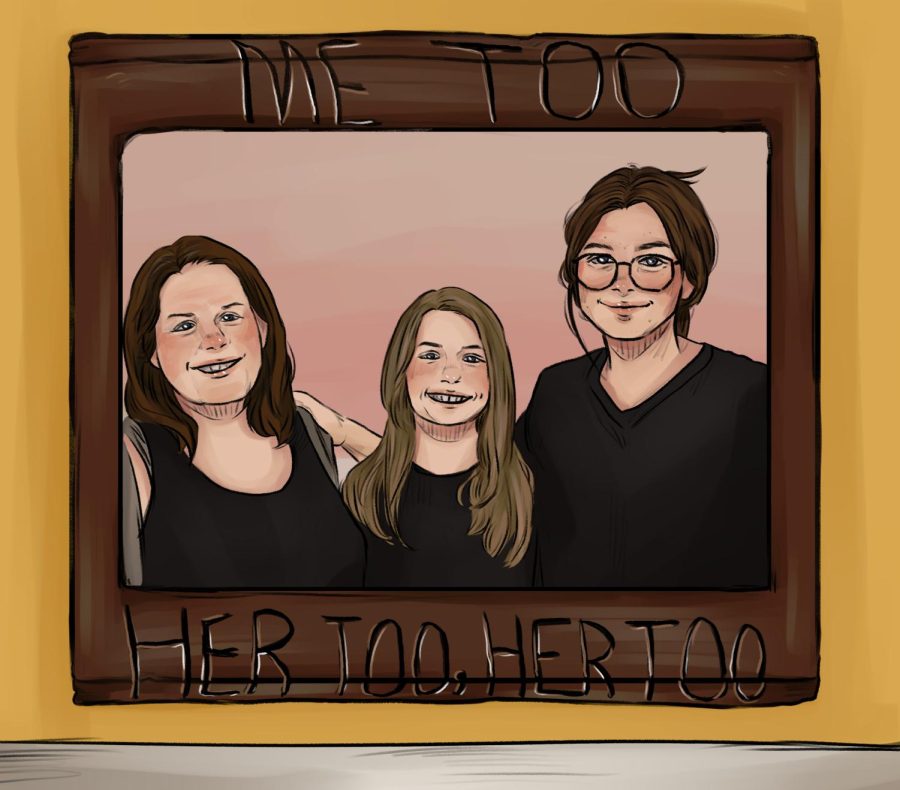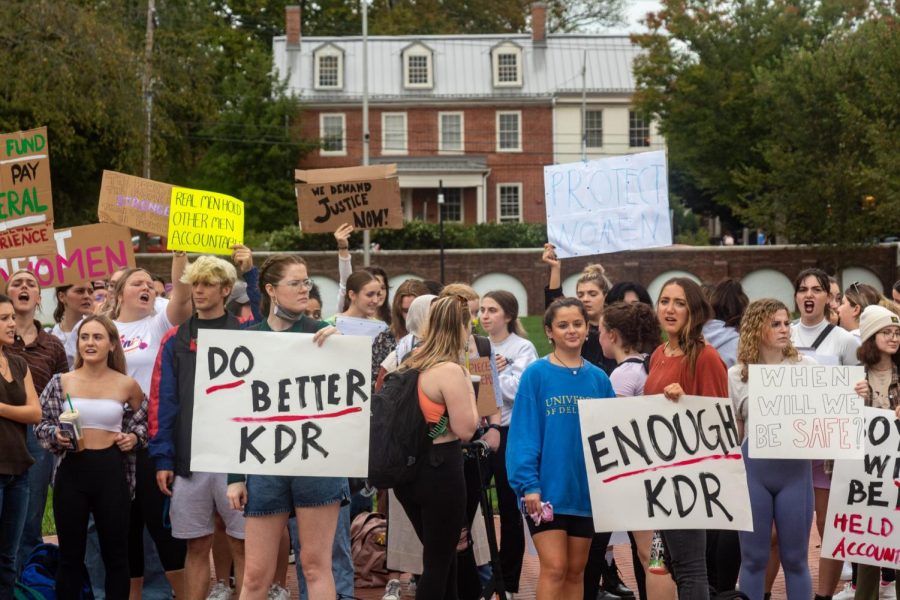



From past to present – from prostitution to pornography to OnlyFans – sex work has been ridiculed. Historically, women have been consistently subjected to sexual violence and silenced when they speak out about their abuse. Even following prominent cultural moments like the #MeToo movement, this pattern has continued. The abuse that spawned the #MeToo movement is not the first instance in which women have been harmed and silenced, and it unfortunately will not be the last.
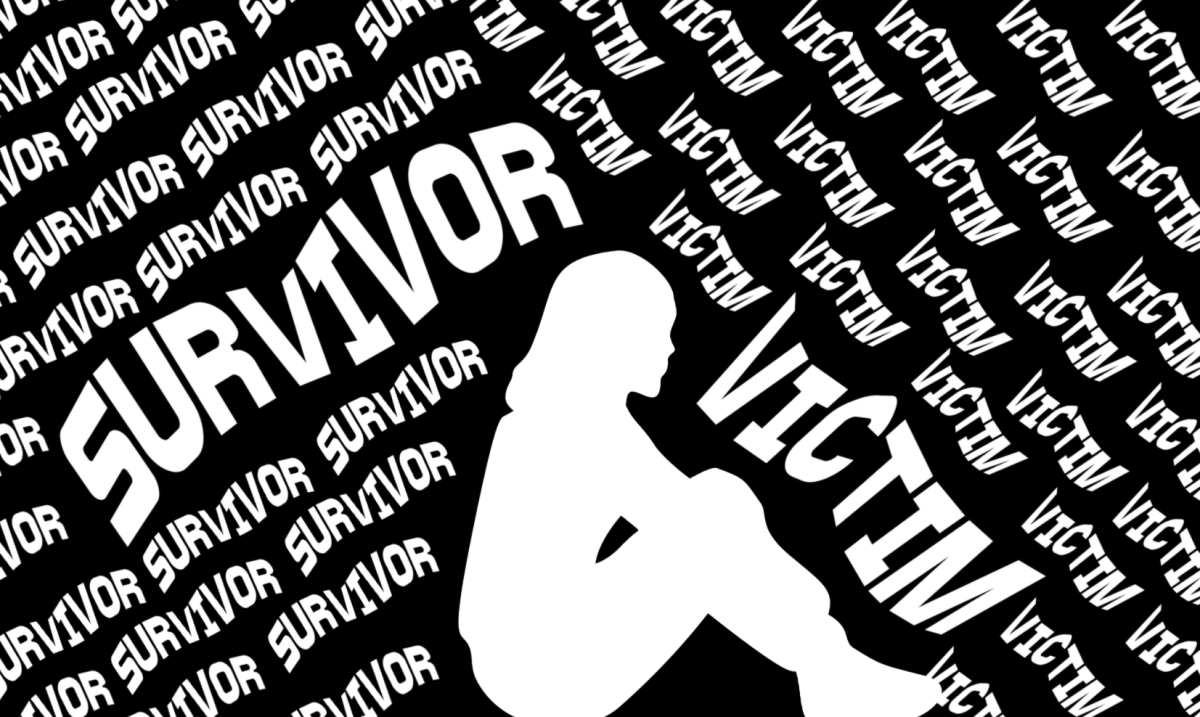
In contemporary society, consent seems to have a clear line for some people and a blurry line for others, or perhaps it is just a blind spot. Cari B. Rosoff, author of “Ethics in College Sexual Assault Research,” defines sexual assault as “a violation of a person’s body and mind.” In the aftermath of this violation, Rosoff says, “victims are therefore vulnerable and already disinclined to report their experiences to formal sources.” This level of violation causes women to try to convince themselves that their unwanted sexual experiences weren’t necessarily an act of assault. Often, women question their own morals and judgment of right and wrong, including what is wanted and what is unwanted. In a society where people are dismissive of rape and sexual assault cases, survivors tend to internalize the false narratives that surround them. Many go through a process of self-gaslighting, convincing themselves the interaction couldn’t have been as bad as they initially thought.
Understating these psychological circumstances causes the public to become less concerned with current or future cases of sexual abuse. This reinforces the belief that women will not be taken seriously if they come forward, and sexual abuse will continue to be underreported. According to the Journal of Forensic Psychiatry & Psychology, women fear that their assault won’t be considered “bad enough,” particularly if there is no physical proof of assault. These fears are accompanied by the risk of victim-blaming when measured up against men in power.
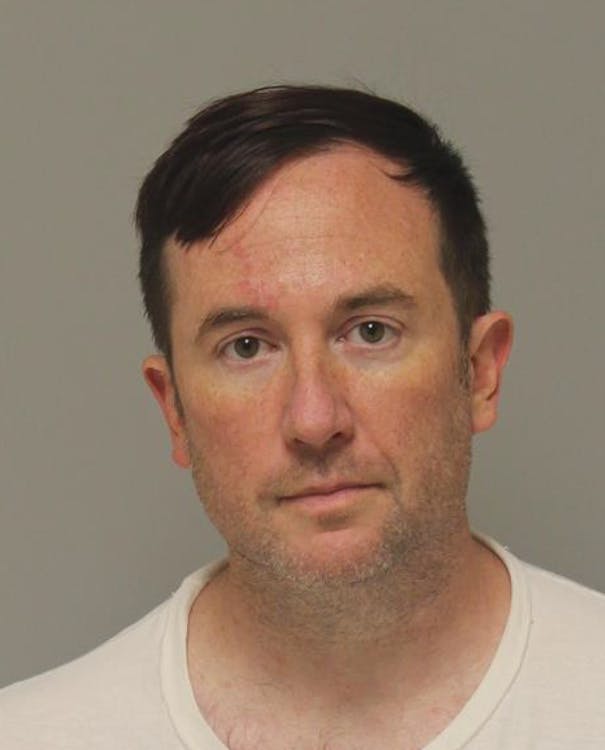
Parasocial relationships with celebrities, which are more prevalent due to the advent of social media, further complicate public responses to abuse. There is an imposing celebrity variable that leaves famous women unable to disclose their abuse. Historically, public perception has failed to grasp a critical understanding of sexual abuse due to media saturation and dissociation from those they see on their screens. Celebrities who aren’t widely loved and have faced scandals throughout their careers are often viewed as less credible. Celebrities who go through traumatic events are often “not framed as grievable,” according to “In/visible War: The Culture of War in Twenty-first-Century America” by Jon Simons and John Louis Lucaites. Hence, society is “inclined to disavow their wounds and trauma,” because they’ve had trepidatious moments throughout their careers. Although the article is about war in America, the violation and silencing of women is a war in itself.
At the same time, the public is hesitant to believe that their favorite celebrity might be an abuser. Public reactions to celebrity trauma are an example of cognitive dissonance, an internal conflict that occurs in many parasocial relationships when an idealized figure does something wrong. Forgiving or forgetting a celebrity’s misconduct is harmful and can lead them to believe they can repeat the same act and receive forgiveness. The act of cognitive dissonance applies to how the public forgives abusers whom they idealize. “Forgiving Sports Celebrities with Ethical Transgressions” by Seung Hwan Lee evaluates parasocial relationships and found that “a lonely person may feel more inclined to forgive the transgressions of a celebrity to maintain their parasocial relationship with that individual.” Parasocial relationships play a dangerous role in celebrities’ misconduct when individuals choose to reject or ignore allegations against their idealized figures. Cancel culture and sexual assault allegations are often seen as intertwined. In sexual abuse cases, it’s not a matter of cancelling but instead, forcing accountability to enact change.
As a society, we must not overlook the malicious intent of these abusers as they cower behind the shield of fame and influence. While there are cases of falsified victim accounts, they are statistically rare and not the norm, according to the National Sexual Violence Resource Center. It takes incredible courage for a victim to come forward. Normalizing the shunning of their experience further silences them, thereby keeping monsters on a pedestal.
Widely accessible pornographic content has ruined sex standards and raised expectations of women to an unrealistic standard. According to a recent BYU report, 69% of men and 40% of women view pornography a year; the most active users are aged 18 to 34. Additionally, the overconsumption of pornographic material can cause sexual violence, harmful thoughts regarding women and their bodies, harm self-image, perpetuate loneliness, and stimulate addiction cycles. A review, “The Relationship Between Pornography Use and Harmful Sexual Attitudes and Behaviours: Literature Review,” confirmed that pornography consumption causes men to have harmful sexual attitudes and behaviours towards women.
These ideas all serve to reinforce the prevalent nature of victim-blaming within contemporary society and the belief that some bodies are more worthy of protection than others.
To me, this begs the question: Is my body grievable?