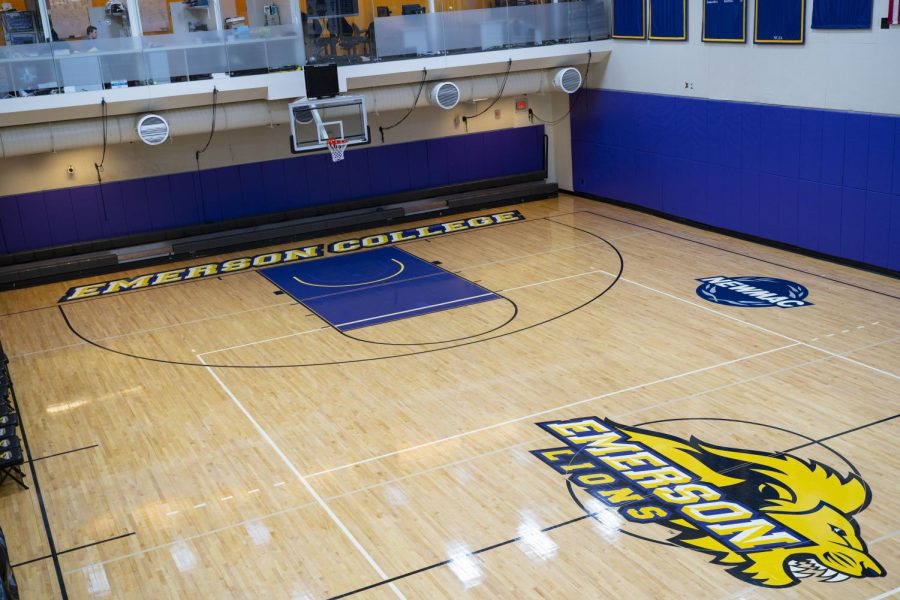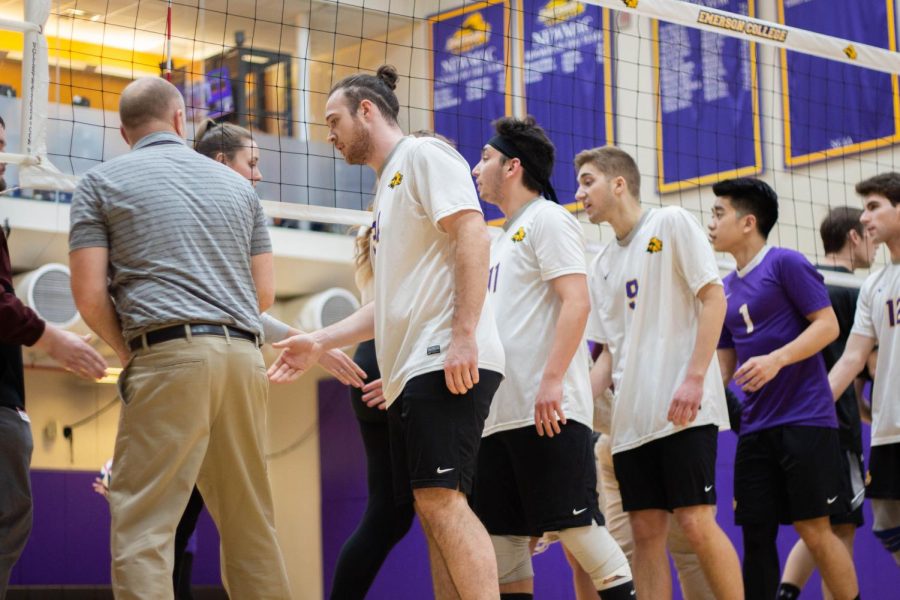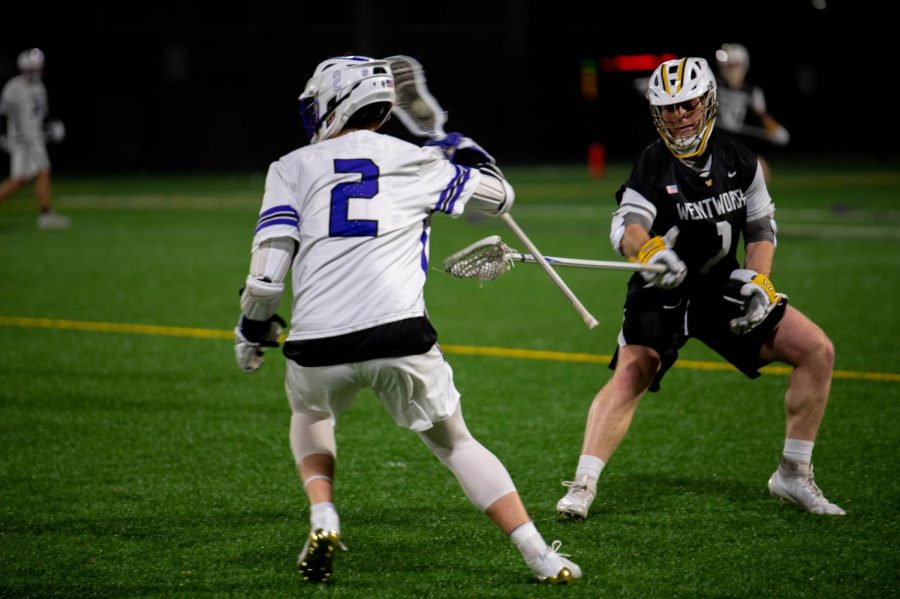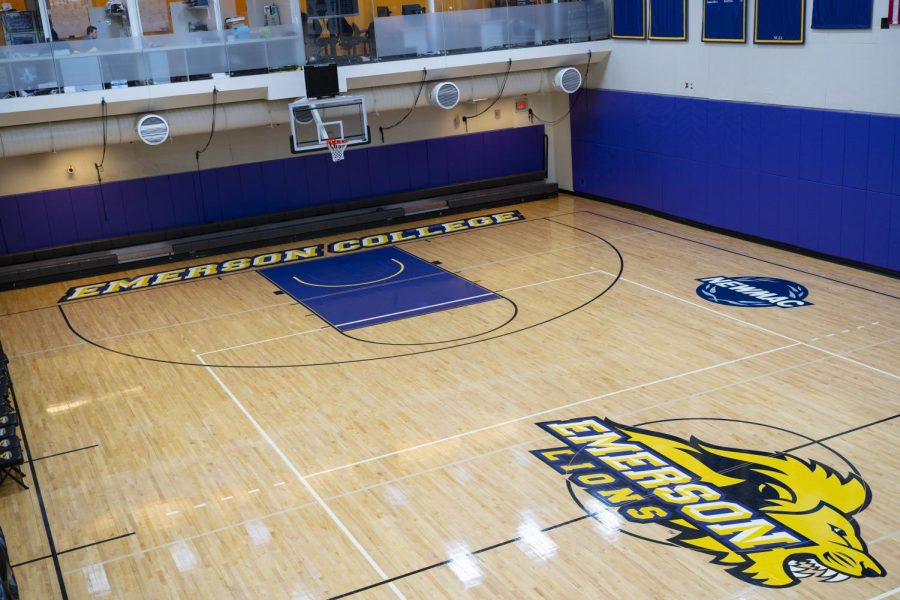





The original building blocks of Emerson athletics were laid back in 1930, when physical education teacher Elsie Riddell and her students founded the “Recreation Club.” In the decades that followed, more sports were added, and the college’s competition level rose from recreational to NCAA Division III.
Riddell was one of many women who assumed leadership roles in physical education and sports throughout the mid-twentieth century. Prior to the introduction of the civil rights law Title IX in 1972, 90% of women’s collegiate sports teams were coached by women, according to a study done by The Collective. That number has since declined to 43% in 2025. Comparatively, men’s NCAA teams are coached almost exclusively by men, sitting at about 94% as of 2025, according to the NCAA Demographics Database.
Almost a century after the Rec Club’s debut, and despite significant improvements to the overall sports landscape, including an increase in mental health awareness, legislation changes to protect and empower athletes, and more opportunities to get involved in athletics, women are disproportionately underrepresented in leadership positions in college athletics, nationally and at Emerson.
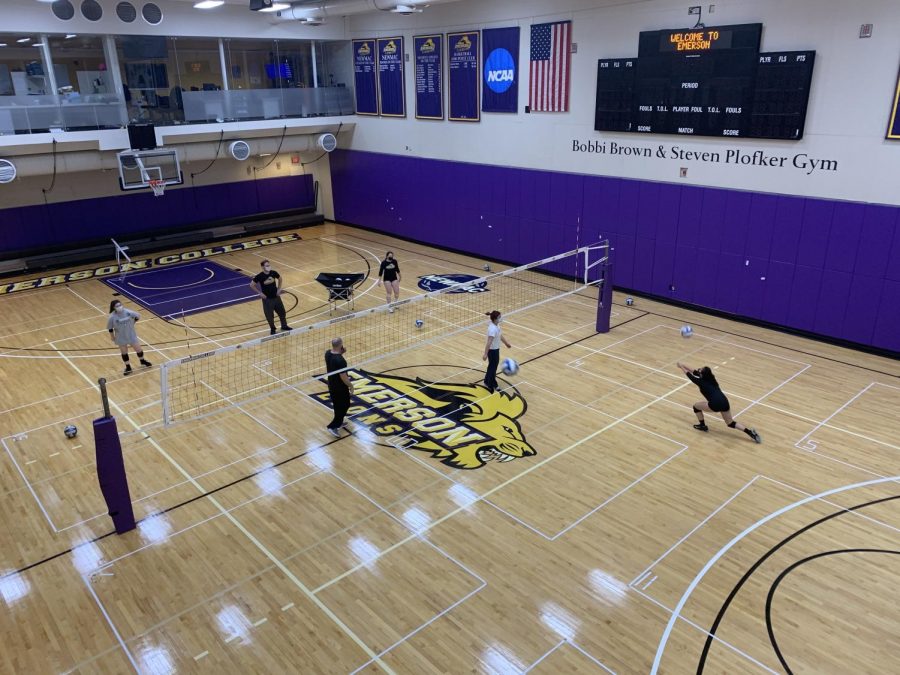
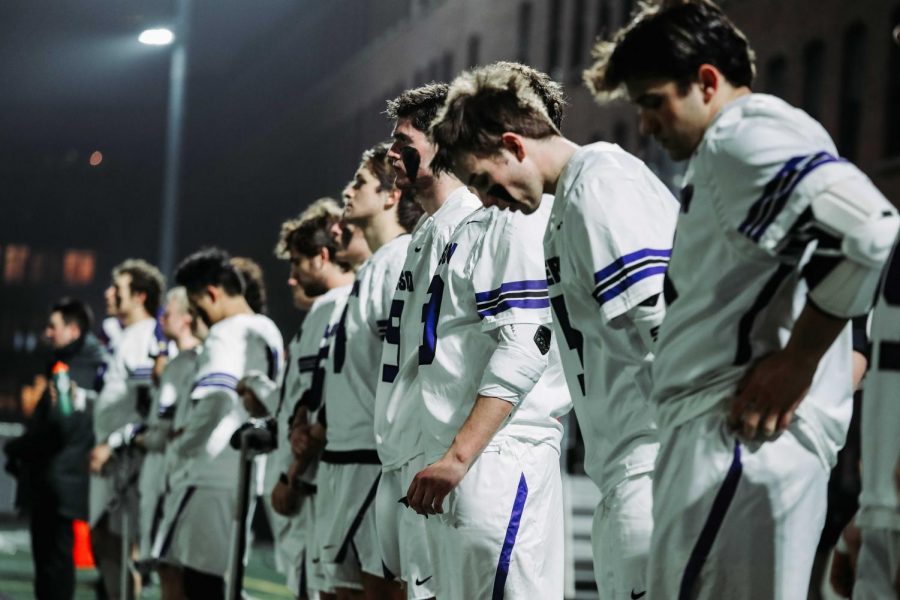
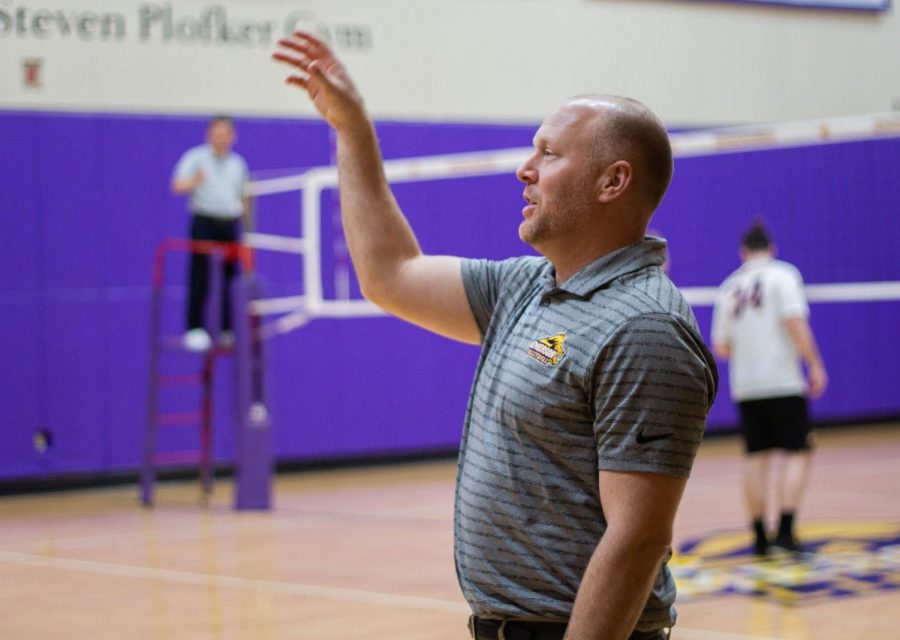
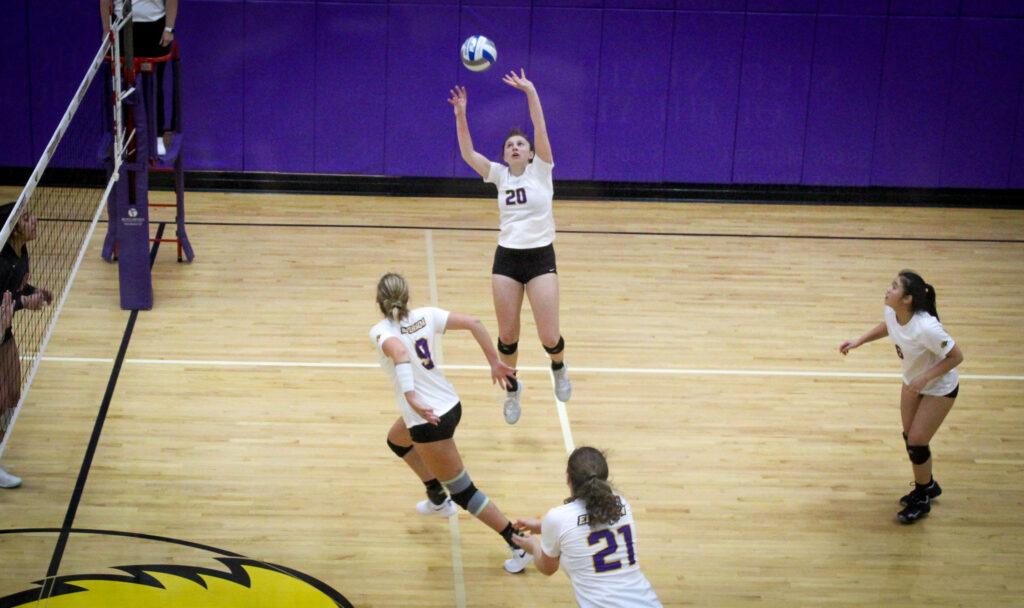
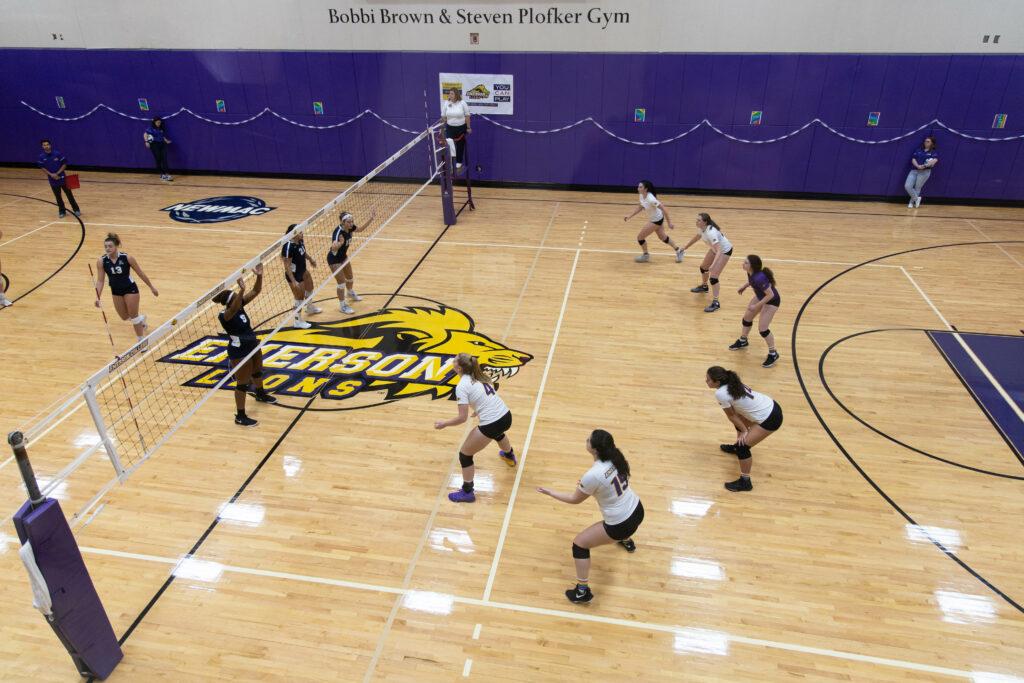
Emerson has 14 athletic teams, with half for women’s sports. Out of all of the teams that compete in the New England Women’s and Men’s Athletic Conference — which includes Smith College, Wellesley College, and MIT — Emerson has the fewest women coaches. The college employs only one female head coach: Jessie Koffman of the women’s lacrosse team.
Koffman did not respond to The Beacon’s requests for comment.
In a statement to The Beacon, a college spokesperson said the college’s hiring process focuses on merit.
“Whether for academics or athletics, the College seeks to hire talented individuals who bring innovation, creativity, and impact to our campuses to increase the excellence of our offerings and programs,” the statement read. “Emerson’s commitment to inclusive excellence is supported by a range of resources.”
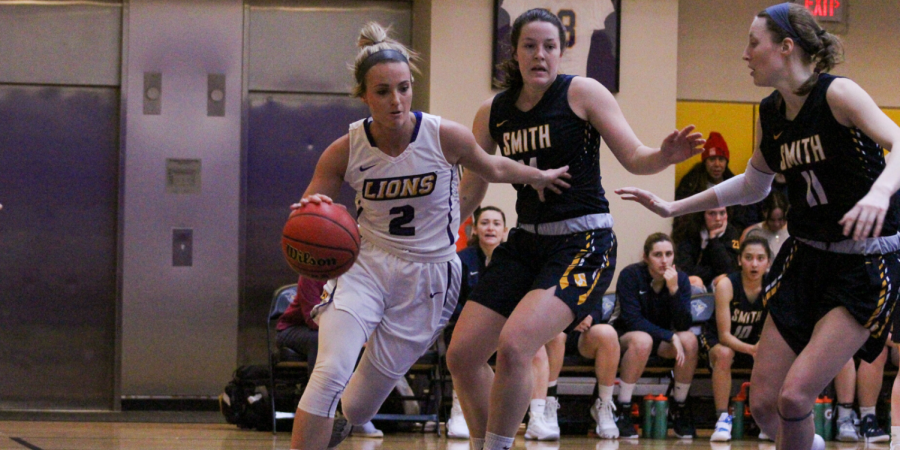
Bill Gould has been the head coach of the women’s basketball team since 2007, and is the only male head coach for women’s basketball in the NEWMAC. He said that as far as he can remember, he’s never coached against another man in conference play — a statistic he said he could not explain.
Gould said there are probably some differences between a male coach and a female coach for a women’s team, but added that it didn’t have a major impact on the team’s performance.
“Are there some people who didn’t come to Emerson who otherwise [might] have if we had a female coach? Probably,” Gould said. “But are there some players who are at Emerson because there is a male coach? Maybe.”
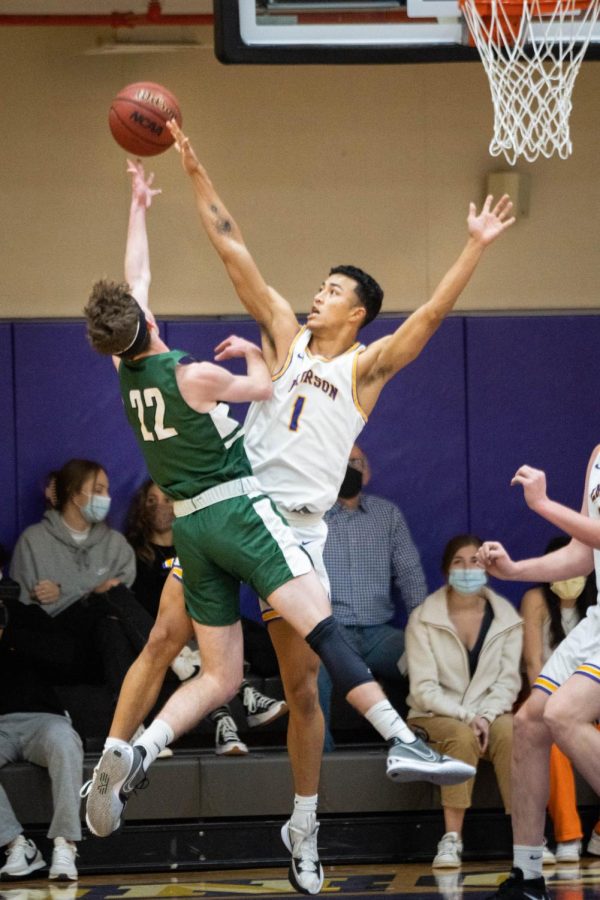
This season, the women’s basketball team returned to the NEWMAC playoffs, their second straight trip to the postseason. Still, Gould sees the value in women coaching women.
“I believe if all things are equal, hire a female coach. If I got fired today, and they had an opportunity to hire a good female coach, they probably should,” Gould said.
The Beacon reached out to several other head coaches, as well as Emerson Associate Dean for Campus Life and Director of Athletics Steph Smyrl, none of whom agreed to an in-person interview.
The women’s basketball team employs two women assistant coaches: Jenni-Rose DiCecco and Natalie Fraioli. Gould said he relies on them heavily from a basketball and personal perspective, and that he tries to hire female assistants whenever possible.
“I would always look [to hire] younger, female, former players for my assistants because that’s basically who I’m coaching. There are things they can talk about to the kids that I can’t talk to about,” Gould said.
Research has shown that the importance of having women coaches is linked to more than athletes’ treatment. Seeing women in leadership positions also has an effect on women athletes’ long-term self-perception.
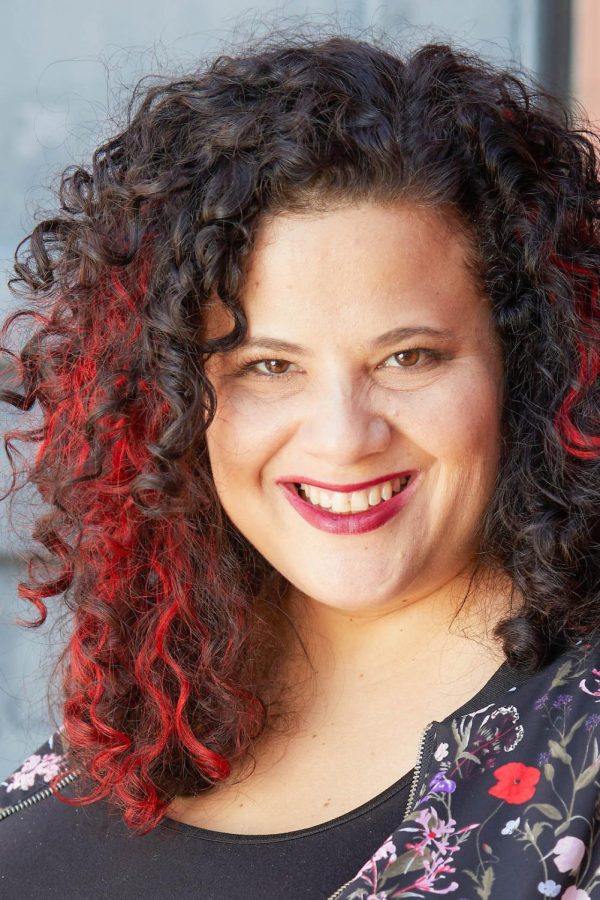
Lauren Anderson, Ph.D., a sports communication professor at Emerson whose research focuses on media representation of gender and race in sport, has seen firsthand the impact women in leadership positions can have in sports.
“I had two females in my sports communication class, and the entire class was a bunch of men,” Anderson said in an interview with The Beacon. “One of those females came up to me at the end of the semester … seeing another woman in that position made her believe that she could do it too.”
Anderson explained how that belief bleeds into other areas of the sports industry, and said that it can open doors for representation in coaching, broadcasting, and public relations.
“That ripple effect can be so huge when it comes to women in sports, [which is] such a male-dominated industry,” she said.
Anderson said that there are several things she would like to see Emerson do to support its female athletes. This includes more mental health support and a stronger focus on diverse hiring, though she acknowledges that there are roadblocks being put in place by the Trump administration.
“We can’t have diversity, equity, and inclusion, apparently, so that’s a challenge,” Anderson said. “I think there’s definitely more that could be done; it’s just challenging right now under this administration.”
Junior visual and media arts major and basketball player Claire English has played under Coach Gould for three seasons after walking onto the team during her first year at Emerson.
“[Gould] cares so much, and has so much belief in us not just as players, but as people,” she said in an interview with The Beacon.
English has been coached by both men and women throughout her basketball career. She said that while she hopes for more female coaching opportunities nationwide, it’s the personality of the coach that matters most, not the gender.
“In terms of the female perspective, role models are really important,” she said. “Having a female head coach can be great, but at the end of the day, the role models themselves are what matter to me.”
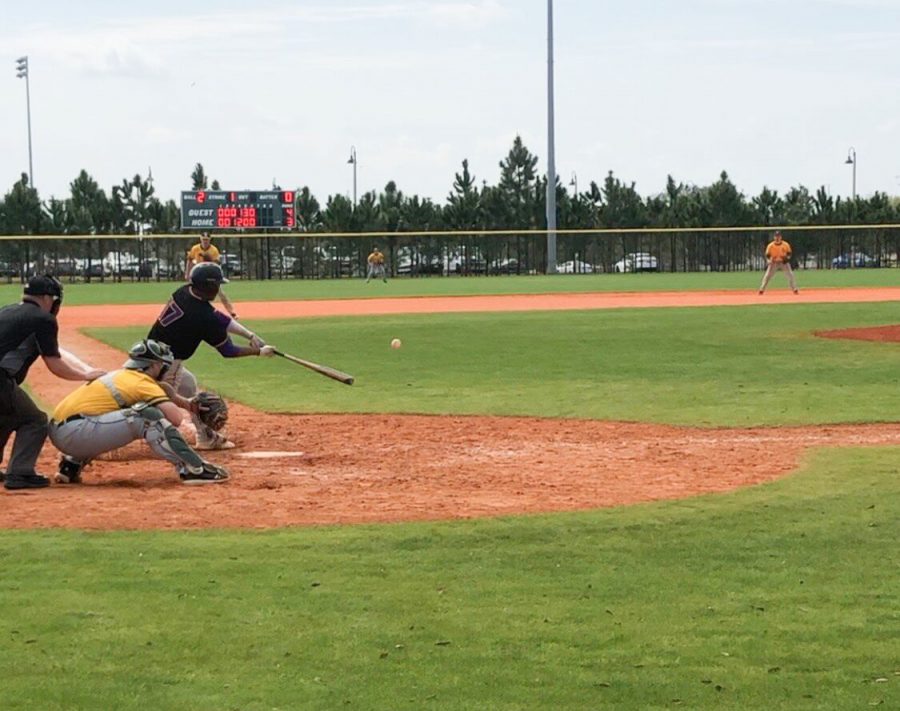
Riley Caiazza, a junior visual and media arts major on the softball team, has also been coached by a variety of people throughout her sports career, both male and female. At Emerson, the only NEWMAC school with a male coach for softball, she practices under Coach Phil McElroy’s leadership and assistant coaches Jen Boyden and Peter Fernandes.
“I’ve had great experiences with male coaches, I’ve had shitty experiences with male coaches. I’ve had great experiences with female coaches, and I’ve had shitty experiences with female coaches,” she said.
The second base player doesn’t have a personal preference towards either gender when it comes to coaching, but she thinks about the different standards for women and how they’re viewed as coaches.
“If I coached baseball, I think people would be like, ‘What?’ It’d be a whole thing, and I’d have to explain myself,” Caiazza said. “It’s odd. I think there are parts of it that reflect a misogynistic world that we used to live in and still do kind of live in.”
In addition to research showing systemic struggles for women in sports, Caiazza sees a few Emerson-specific obstacles for women who want to coach, including a lack of reputation as a “sports school” and facility challenges. She explained that sports aren’t a main focus at Emerson, and that less-than-ideal hours and long commutes required to practice in an urban environment could steer coaches away.
“I think there’s just more compromises at Emerson in regards to athletics that other schools don’t have to think about, so it just might not be as appealing,” she said.
Anderson urged Emerson students to pay attention to their sports teams, and the women’s teams in particular. She said that support and advertisement of women’s sports can go a long way towards progress.
“It takes everyone to change the narrative. It can’t just be top down, it has to start with the students too,” said Anderson. “We as fans can do a lot [to change] that narrative if we try. We need increased visibility, and we need other women to be in these positions.”
Beacon Staff Meg Richards contributed to this report.