

Sometimes I feel like I care too much. I cry at everything—from a documentary about the psychology of dogs to a video of a raccoon dropping cotton candy in water. You will most likely find me with tears streaming down my face after watching any content that slightly tugs at my heart strings, and sometimes it just feels silly to have this reaction.
The most recent tearjerker started with a TikTok that came on my For You Page of a girl choking back tears, expressing anger over a new series of videos labeled the “flipping the camera” trend.
The trend involves people approaching strangers and asking them to film a video for them. The catch? When handing the phone to the stranger, TikTokers secretly flip the camera to record the person holding the phone without their knowledge or consent.
The intention behind this trend is what makes it harmful: the people approached were purposefully chosen, making it an easy yet implicit form of bullying. Some of the victims of this trend were unhoused or elderly folks. Others were just smiling at the fact that they were being included by helping with the video. Choosing to make fun of these individuals just for existing is a disturbing example of the apathy seeping into our society
None of the videos on this trend came across my feed; I only saw the reactions. The TikTok I saw of the girl criticizing this horrible trend stuck with me. Now, if you search up “flipping the camera,” some of the first videos that pop up are also emotional pleas to stop these destructive acts.
While I don’t know if any action came from these invocations, it remains clear that expressing our empathy and emotions gets people’s attention. We have an instinct to connect with each other, and we are interconnected through our emotions. That original video now has almost 20 million views and over 2 million likes.
And no one in the comments was making fun of her for crying over this trend. In fact, people related: “What a horrible trend,” “idk if i’m being dramatic but i cried,” “i KNOW I’m not too woke.”
According to a study published in Scientific Reports, immersion in harmful and hateful environments leads to a numbing of empathy, which leads us to the rise of trends like “flipping the camera” where it becomes socially acceptable to publicly demean strangers for the sake of content or for an unfunny joke.
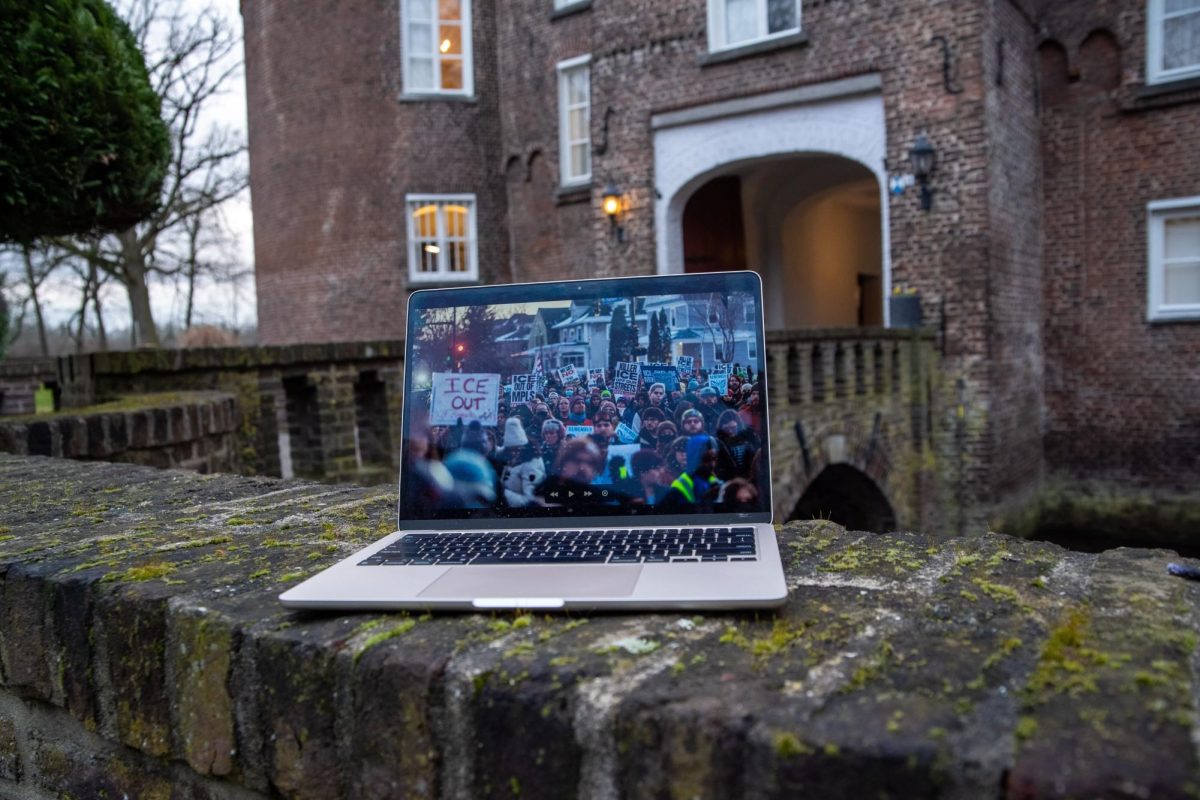
We need to get the notion out of our heads that our emotions make us weak or that they are something we feel we need to defend. In times where there are so many hurtful political policies and devastating international conflicts happening, we need to feel sad and angry and devastated and hurt. Feeling our emotions, and understanding how others may be feeling, is how we prevent becoming numb to what happens around us.
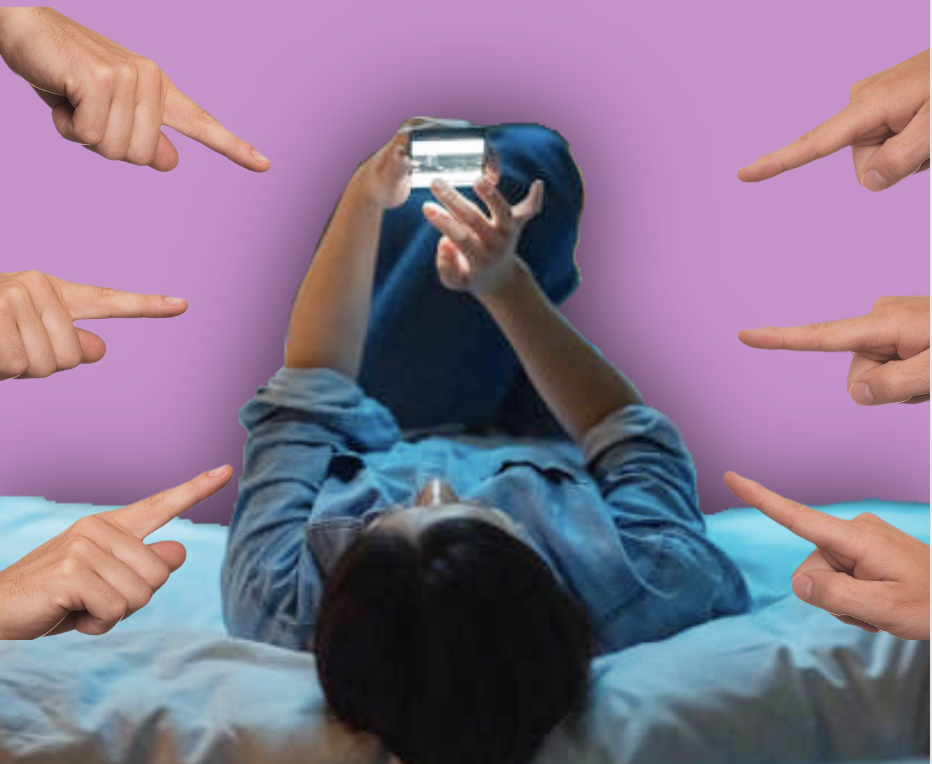
Sometimes, it feels like my empathy for negative situations betrays me. I start to cry when overwhelmed in arguments or in public settings when watching a sad video on my phone. Often, it just feels easier to try and suppress the tears instead of dealing with the pity-filled glances shot my direction.
But it’s time to flip the stigma on empathy. You are not a “snowflake” or “too sensitive” or “too woke” for caring. While we cannot control or fix every single bad thing happening around us, we can control how we react to it. If that reaction is anger, feel it. That anger is what sparks movements, and it’s what ignites change. It’s what makes us feel understood.
Empathy has become our strongest connection to each other, and we should not be ashamed of it. By remaining empathetic, we can halt trends like the “flipping the camera trend” and even prevent them from starting. Crying over something doesn’t make your feelings on it any less valid. Allow yourself to feel.