


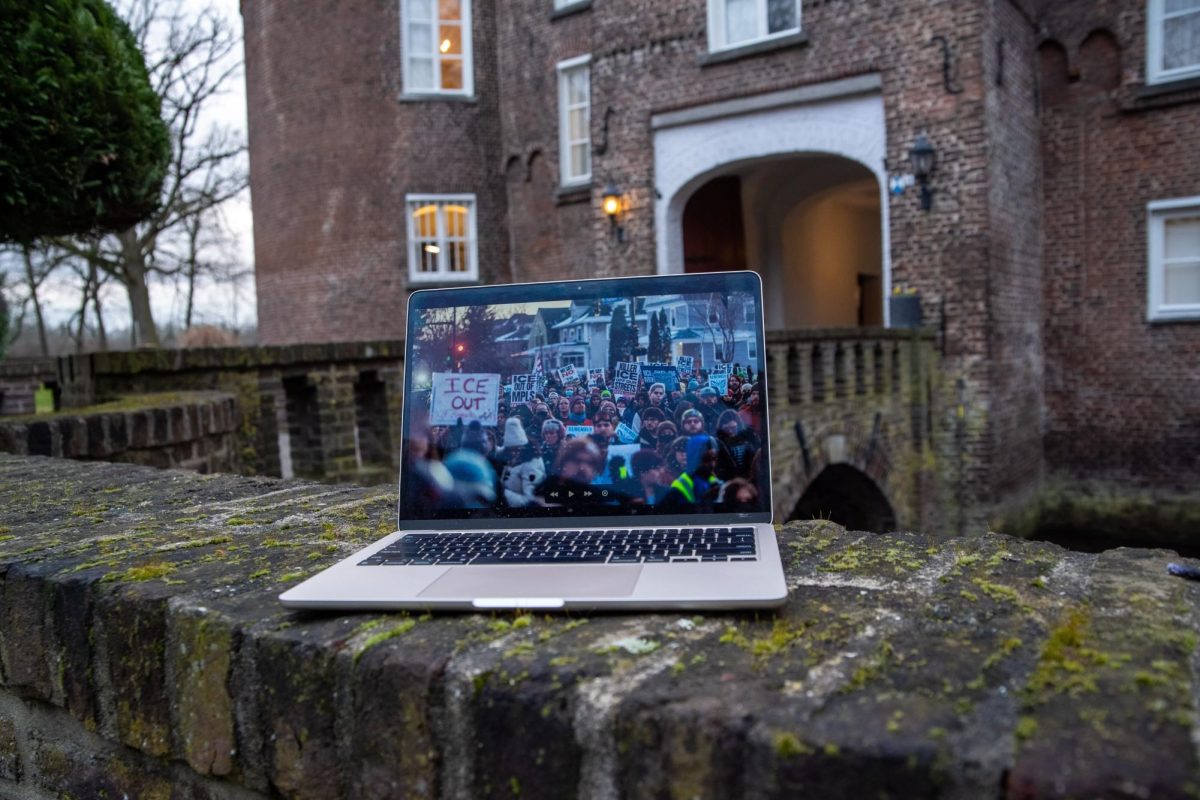
Despite the distance separating Kasteel Well Emerson College students from the U.S., protests and deaths tied to increased Immigration and Customs Enforcement activity in Minneapolis weigh heavily on students’ minds.
“I feel so far away, but it’s still in the back of my mind,” said Baron Langston, a sophomore visual media arts major. “I kind of feel guilty for not being there.”
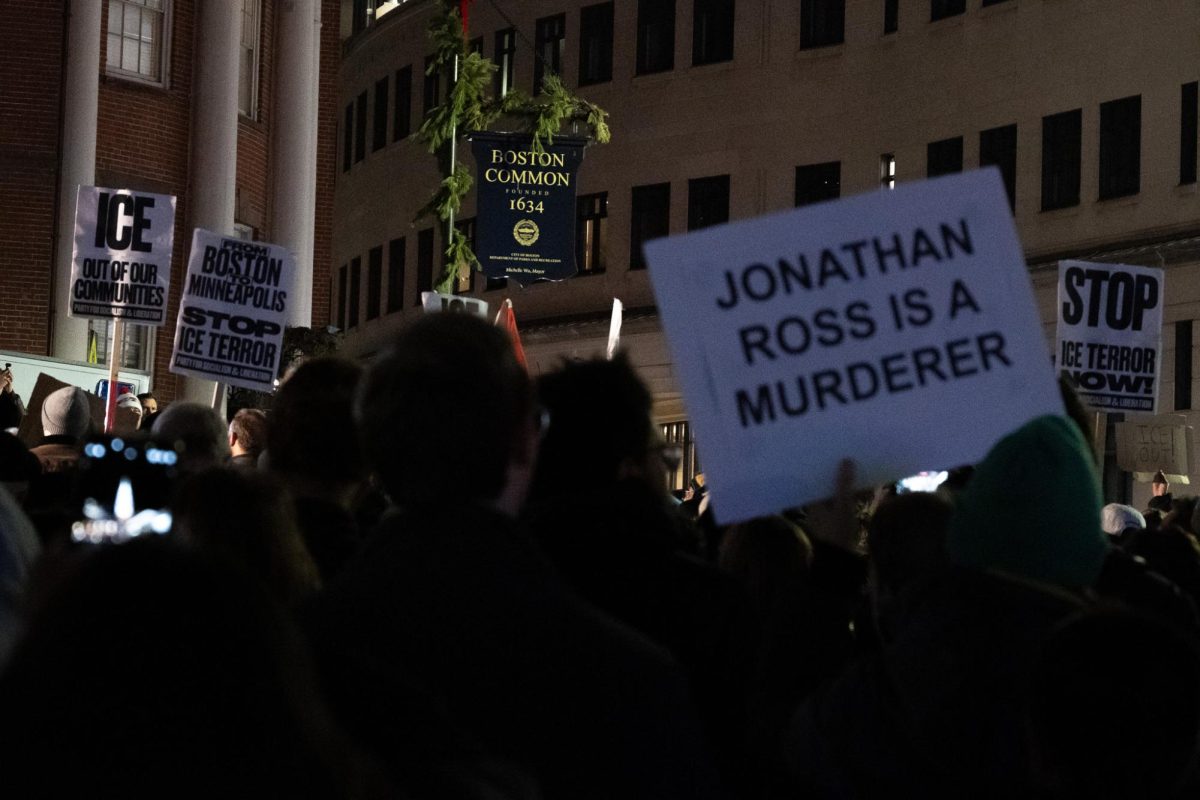
The Kasteel Well semester started on Jan. 15, just over a week after ICE officers shot and killed Renée Good. Prior to and after Good’s death, there has been increased ICE activity in Minneapolis, sparking large protests across the city and nation.
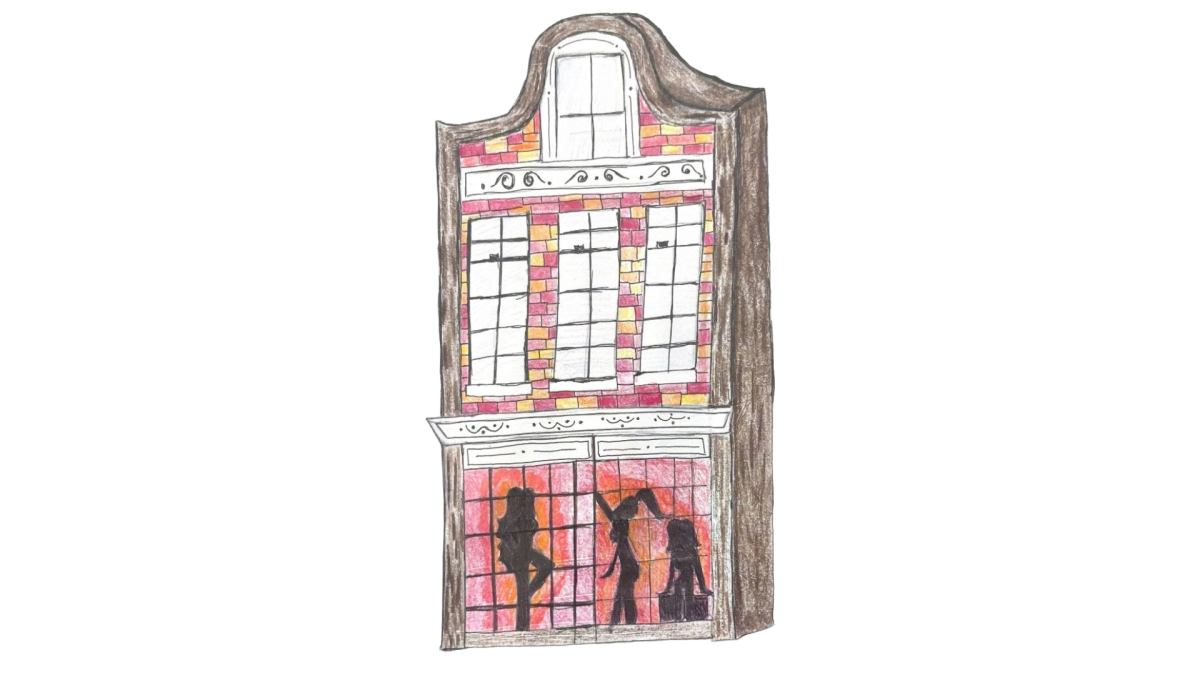
On Jan. 24, while students attended an academic excursion to Amsterdam, news alerts popped up on their phones reporting that ICE officers killed Alex Pretti, a bystander protesting an ongoing detainment.
Several students, including sophomore journalism major Olivia Quiles, expressed sentiments of guilt for being away from the U.S. during this tumultuous time. Quiles said that being Latina and a student journalist contribute to the anxiety she feels seeing these events unfold.
“I feel now more than ever [that] I should be in the places that these things are happening,” she said. “To be so far away and disconnected feels a little foreign to me.”
Other students said that studying in Europe helped them gain a wider global perspective on how ICE is perceived outside the U.S.
“When [Pretti] got shot, I was learning about the Nazis from a German guy … and he pointed out the similarities between ICE and the Gestapo and KGB,” said Calliope Herzog, a junior theatrical design and technology major.
Quiles said one of her history professors has also discussed the historical similarities between ICE and the secret police.
“Visiting these historical sites like the Anne Frank House and seeing what happened 70, 80 years ago juxtaposed to what’s going on in our home country right now is really horrifying,” Quiles said.
Langston said that after a conversation with three Dutch young adults who made jokes about ICE, he learned how some Europeans view ICE arrests and protests.
“I’m not going to say all Europeans are like this, but from what I experienced so far, it’s like people don’t really know what’s going on fully and think it’s some funny thing you can joke about,” he said. “I guess you don’t understand that if you’re not living it.”
Videos of the protests in Minneapolis have circulated on social media, garnering attention around the world. Despite several Kasteel Well students stating they have gotten their information about the protests from social media, some question the effectiveness of their peers only reposting these videos.
“It’s nice to see that people are rallying together, but at the same time, it feels a little surface level in terms of the impact it’s actually making,” Quiles said.
Langston echoed Quiles’ statement, highlighting concerns of people posting about ICE as a form of performative activism.
Langston explained that he checks in with his Hispanic friends who ICE may target, pays attention to the news, and continues to have conversations about these issues. In watching the protests and subsequent media attention, he has been reminded of his disappointment in how quickly people moved on from the Black Lives Matter protests. He said that he is concerned that the same could happen with ICE protests.
“[In] the U.S., it’s like something big happens and it just gets forgotten about within a month,” he said. “People just move on so quickly and so rapidly. These things still need to be talked about, and these things are still prevalent and still affecting people.”
Instead of just reposting information on social media, Herzog said one of the best ways to help those affected by ICE is to share information about local ICE activity directly with community members.
“We need to keep the national level in mind, but nothing is more powerful than local efforts, and I think that’s one of the big lessons that people need to take away from Minnesota,” she said.
For other students who feel guilty or helpless about not being in the U.S. to directly support community members, Herzog said she thinks that it is important to remain hopeful.
“Hope by definition recognizes that things are bad,” she said. “It is important to recognize that things are really bad, but I think it’s equally as important to recognize that it will get better, because that’s how you stay in the fight.”












![“[Global Pathways] is something I think Emerson is really proud of. It’s something that I think is unique to us," College Official Corey Blackmar said.](https://berkeleybeacon.com/wp-content/uploads/2018/09/Photo-Sep-19-9-29-46-PM-1002x1024.jpg)