


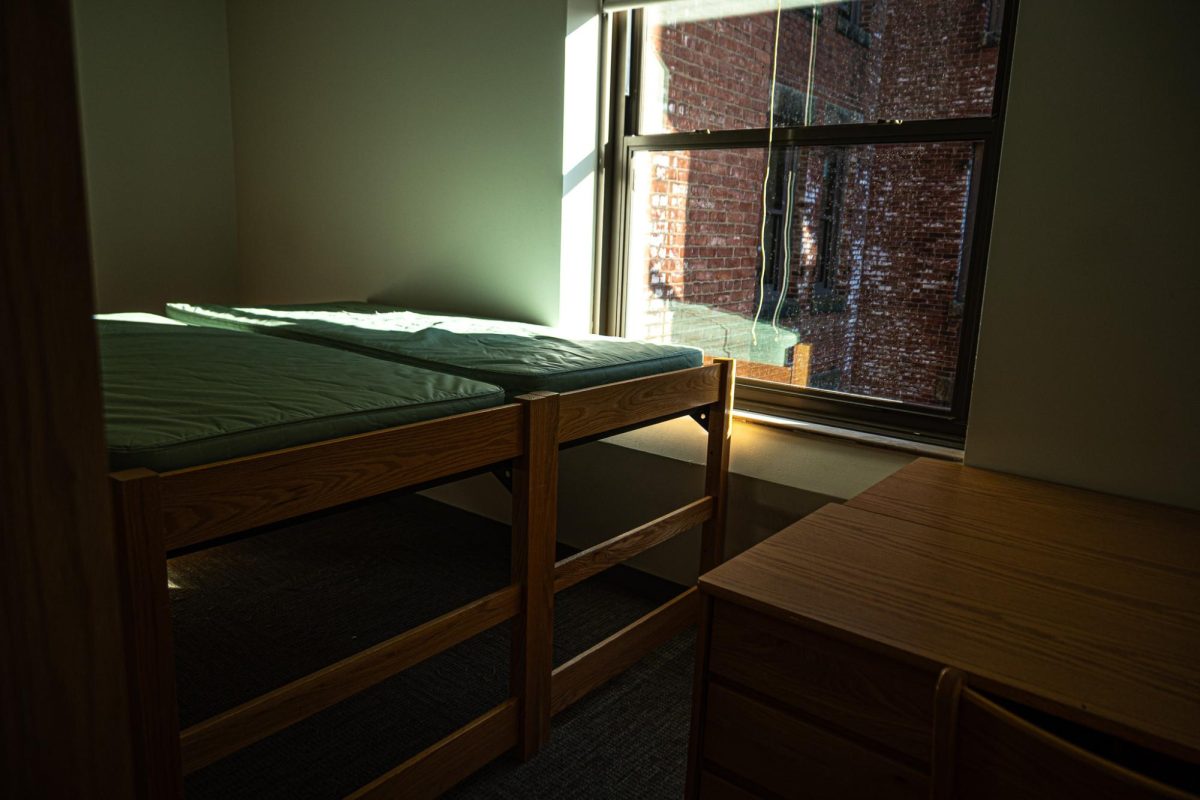
For $2,500, you could call the rest of your half-empty room yours — for the rest of this semester.
Eligible students with an empty bed in their room received an email last month inviting them to participate in a Pilot Bed Space Buyout Program that, upon payment, guarantees no one will move into the vacant spot in their room.
The email garnered criticism from some students due to the program’s price tag, which, for some, also raised questions about the motive behind the program.
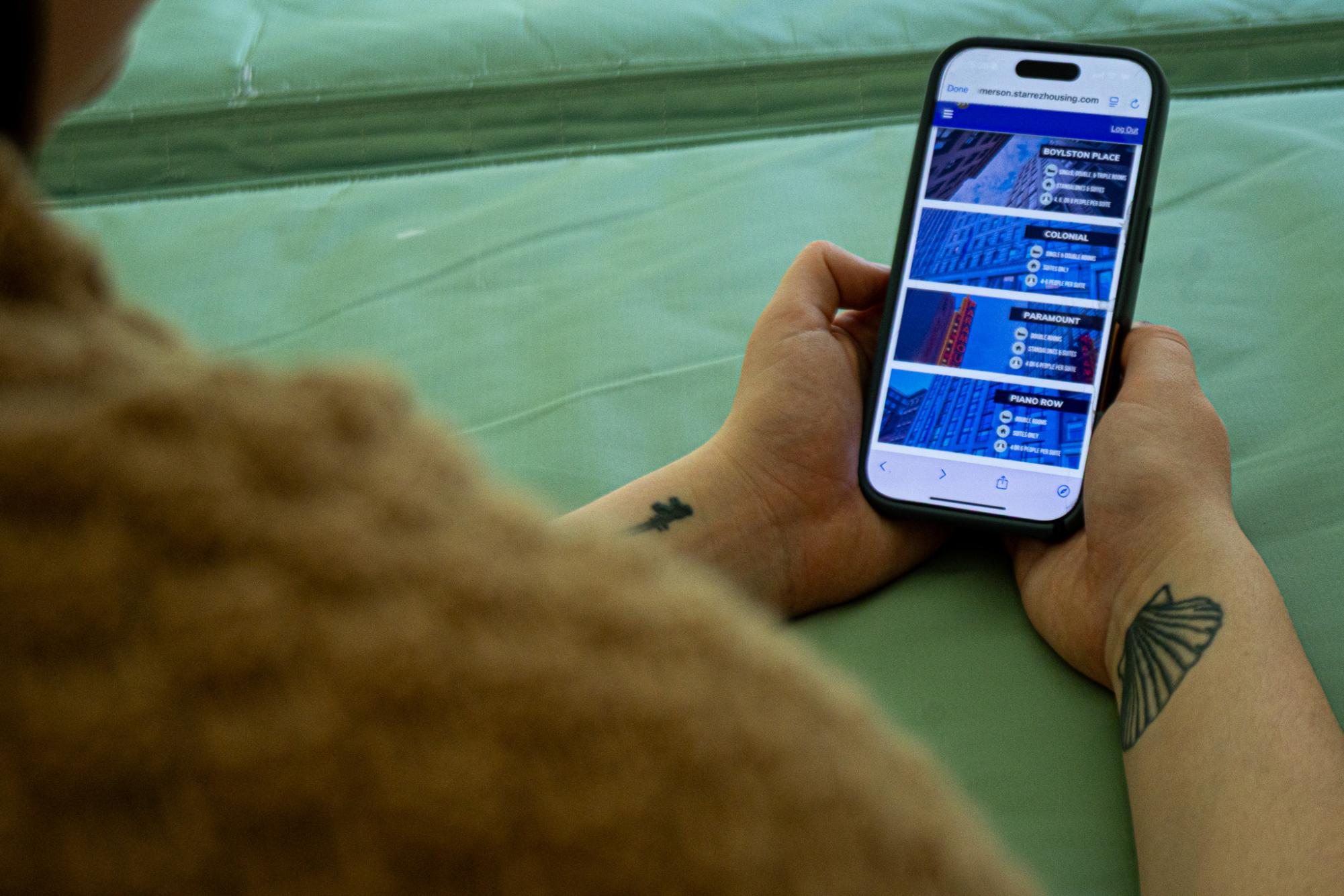
One of the students who received an invitation for the program is Addie Cozza, a sophomore media arts production major living in a Paramount six-person suite with only one other person. She said she was shocked upon reading the email.
“My jaw dropped. I was like, this is ridiculous,” she said. “To be granted extra space is really nice and a gift. To not be able to use it unless you give them more money seems so extreme.”
Cozza said that, while she has a stable financial situation, she knows many students at Emerson College cannot say the same. She said that the concept of the college asking for that money in exchange for the use of the rest of the room is “baffling” to her.
“You have to have a lot of audacity to ask for more money to use the space that no one else is using,” Cozza said. “This school asks for so much as it is. To ask for even more for the bare minimum just seems so obnoxious.”
Danielle Merrill, the director of housing and residential education, said in a statement to The Beacon that this “kind of program is common at higher education institutions.”
“The Pilot Bed Space Buyout Program is an optional, limited program offered to students who already have a vacant bed space in their room or suite,” Merrill wrote. “It applies only to existing vacancies and does not create new single rooms or change room designations.”
In an email sent to eligible students on Feb.10, the college announced that the plan was launched as a response to student interest in guaranteeing retention of empty space in a double dorm room. Eligibility is determined by empty space as well as good financial standing. The email told students that if they opt not to participate in the optional program, their room will remain on the list of spaces eligible for room changes.
Harper Ham, a sophomore media studies major living in a half-empty double in Piano Row, said she believes the initiation of this pilot program is indicative of greater financial struggles at Emerson.
“Why would the college want to initiate a program like that? The only reason I can think of is that they need the money,” she said.
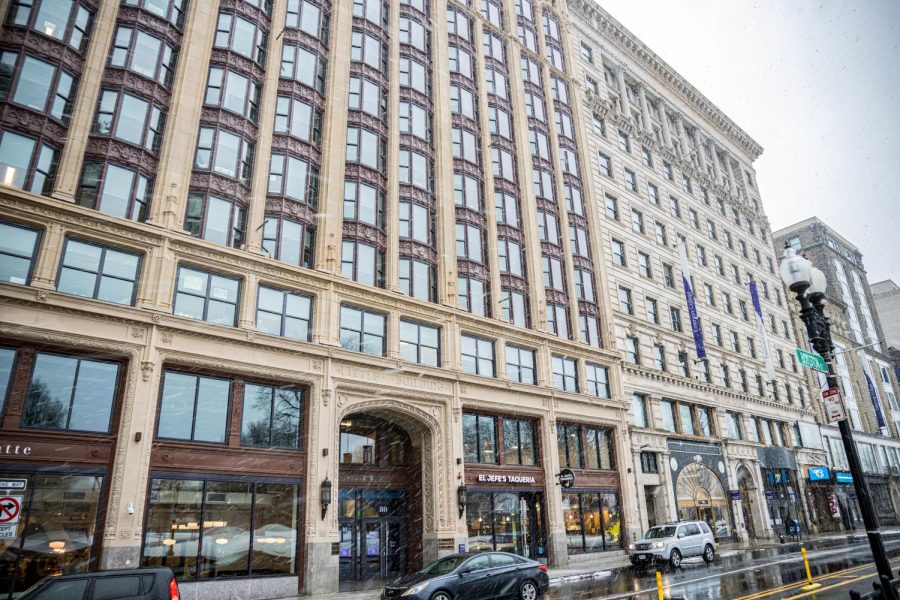
Ham speculated about admissions rates and the need to fill empty space on campus due to underenrollment, which the school has previously confirmed in an email to faculty and staff over the summer regarding layoffs. Emerson is also housing students from the University of Massachusetts Boston in Little Building after a flood displaced them from the East Residence Hall.
The college told The Beacon that the program provides flexibility for the college to recover costs from otherwise empty beds.
Ham also said she felt the pilot appeared “out of the blue,” as the email came a month into the semester. To her, this can only mean one thing: too much space, not enough students.
“It’s becoming very clear that we have way more space than we’re occupying, and that the college is … starting to get stressed about that, and realizing the financial detriment that that’s taking on the school,” she said.
The college did not address The Beacon’s requests for admissions or enrollment data.
Being asked to pay “to live in a space you already live in,” according to Ham, makes the college appear more “corporate,” a feeling she said is inconsistent with the branding Emerson seeks to portray.
“It just makes Emerson seem weird and scummy,” she said. “[The program] doesn’t feel like it’s something in my interest. It feels like it’s something in their interest.”
This, combined with other financial decisions made by the college, such as opening the $200,000 Griff’s Game Room, feels “offensive” to Ham.
“The ways that we’re doing our finances feel really weird and stupid,” Ham said. “It feels like they’ve never actually met a student in their lives. They don’t know what it is we actually want.”
Lauren Berkley, a sophomore communication sciences and disorders major living in Piano Row, agreed with this sentiment. They said they would prefer to see the money from the Game Room or alumni plaques go to a different resource, such as the Paramount Café, which was closed for renovations last August indefinitely.
According to reporting done by The Beacon on the Game Room, its opening came from a specific facilities budget and would not have been used for other expenses. The college did not verify which budget the pilot program is pulling from.
The price point difference between a double and a single is $250 per semester, making it more economical to opt for a single rather than buy out the remaining space in a double.
“It’s an outrageous amount they’re asking for. If they had asked for $200, that’d be fine, but I’m not paying $2,500 just so I don’t have to live with another person. That’s over a month’s rent for a studio apartment,” Berkley said.
Molly Fitzgerald, a sophomore writing, literature and publishing major, said she doesn’t think the school is in that tough of a financial spot, given the recent hikes in tuition and the advertised annual cost of attendance at Emerson before any aid, scholarships, or grants.
“They really will do anything to get money out of us,” she said, pointing out that, at the time of the email, there were just over two months left in the school year. “I don’t think it’s for the benefit of the students. I think [they’re] just recognizing that people want to live by themselves and [are] trying to make as much money off of that as possible.”
While similar programs exist at other schools, Emerson remains an outlier in cost. At Liberty University in Virginia, the difference is $800 a semester, but the program is not active right now because of limited availability. At Wagner University in New York City, the cost is $2,000 a semester; Ithaca College in New York had a similar program in 2022, with a price of $660 for the spring semester; and Reddit says UMass had a similar program for $800 per semester.
Haley Kirchhoff, a junior musical theatre major, said that she believes the program is a “crazy cash grab,” and that it all comes back to low enrollment.
“The talk of the town was that there [were] less people than before,” she said. “They don’t have great enrollment, you know. They’re just trying to get money.”




Can we also talk about how the 8th floor of Paramount has a mice infestation?