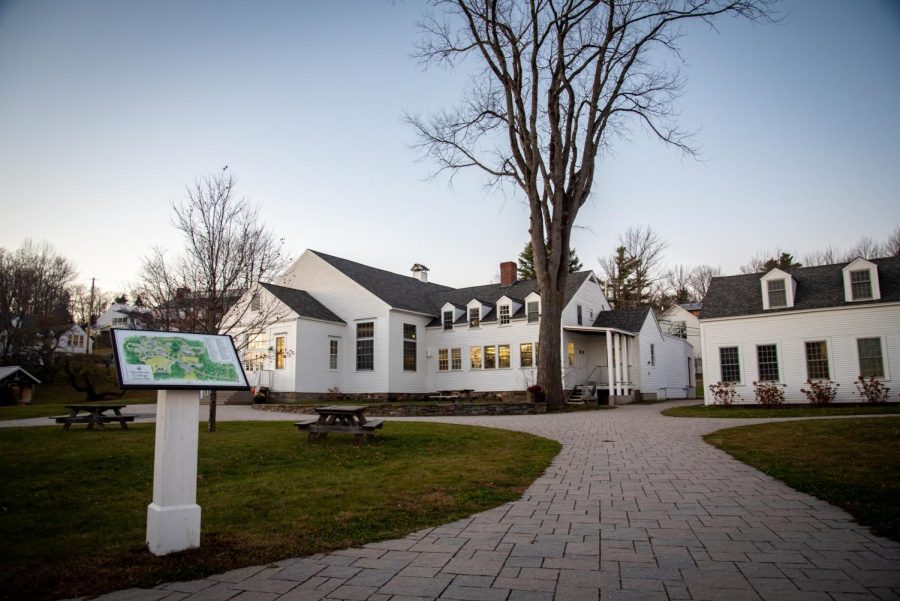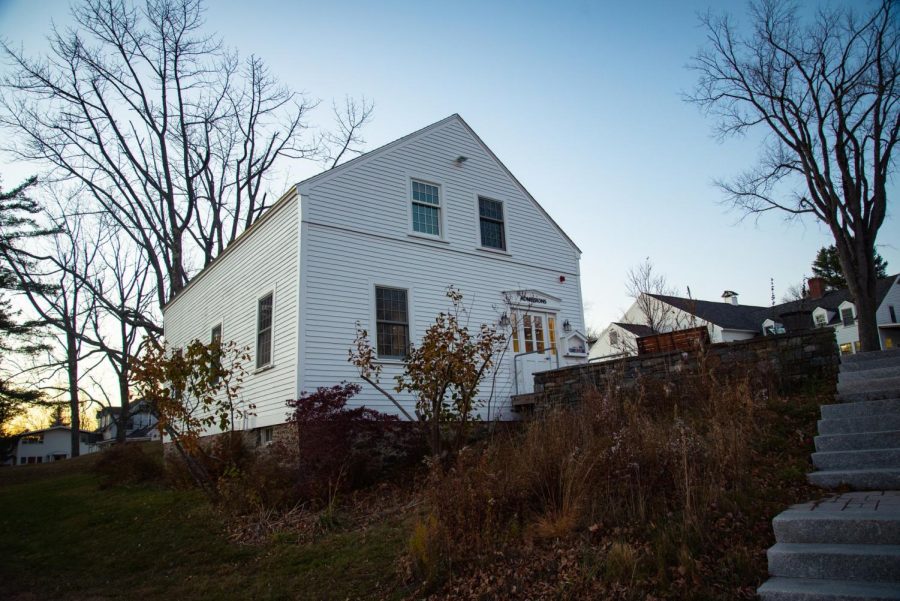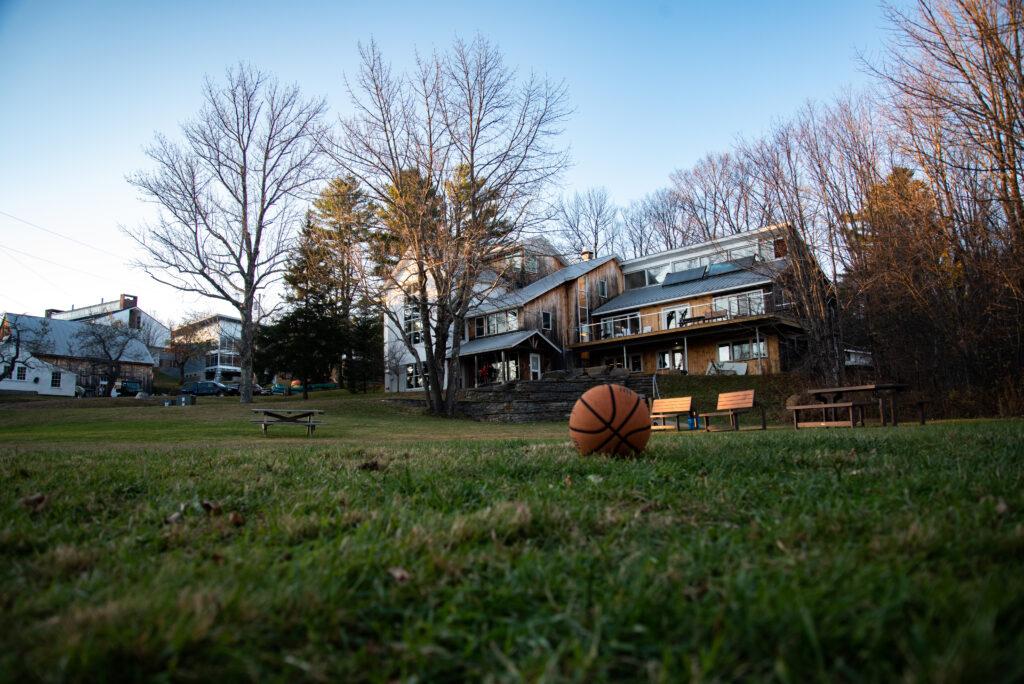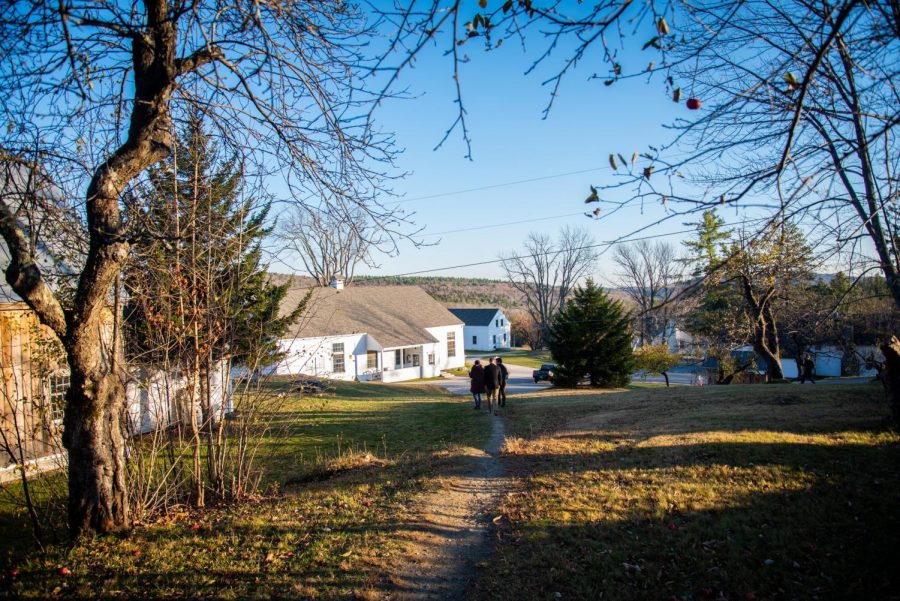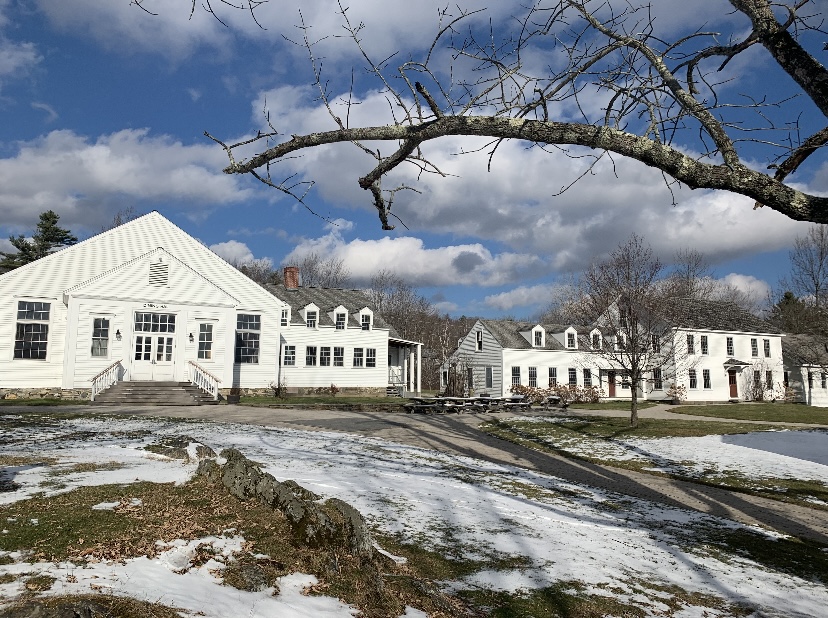




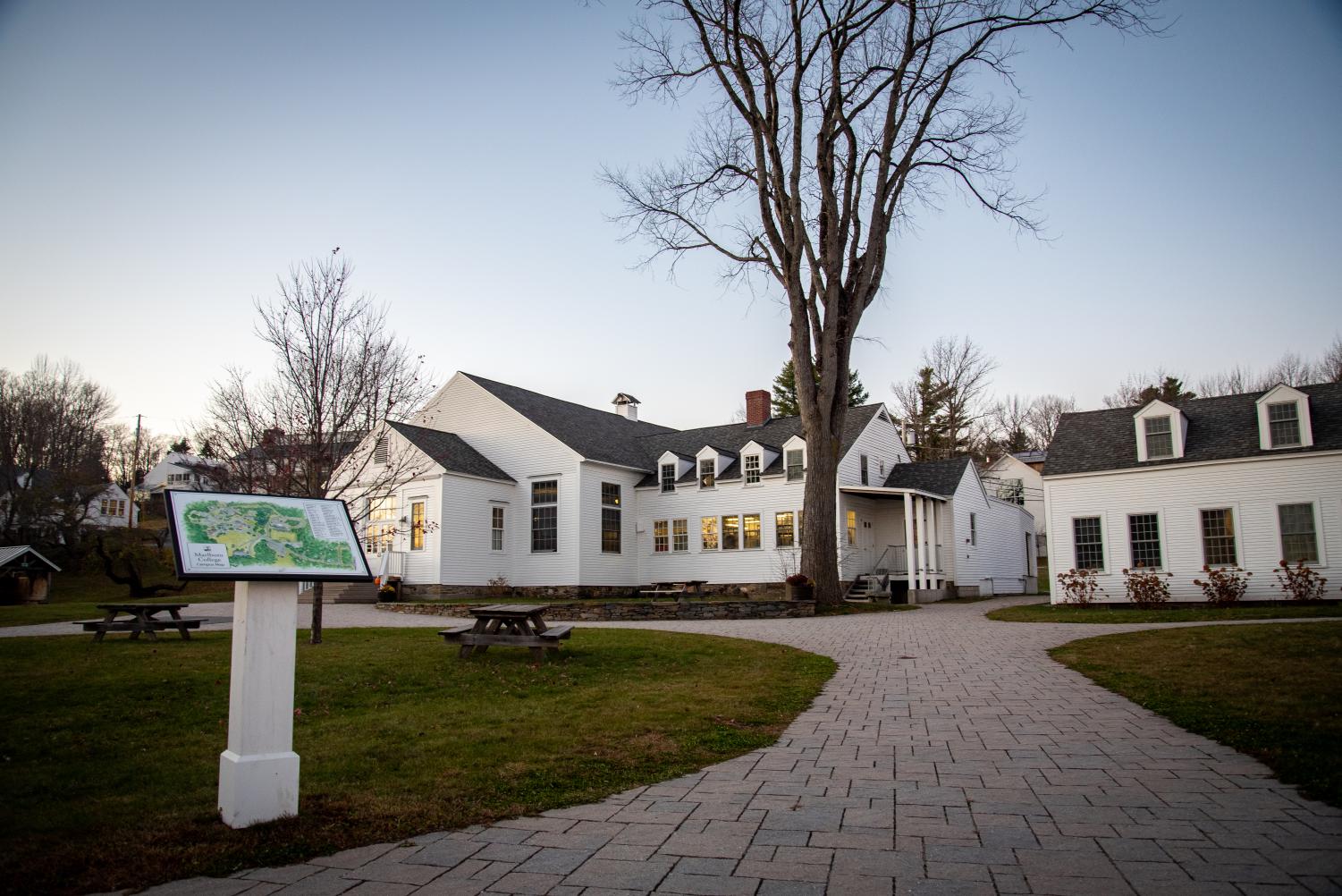

Marlboro College, a small liberal arts school of roughly 150 students nestled in the foothills of Vermont’s Green Mountains, shuttered in 2020 during the pandemic. But unlike 10 other small Vermont schools that closed their doors in the last decade, Marlboro’s story lives on through Emerson College’s acquisition of the school in late 2020.
Though it’s been six years since Marlboro closed, the spirit of the school is still alive on Emerson’s campus. Not a single pre-merger Marlboro student currently attends Emerson, but many of the same professors who taught at Marlboro are at Emerson today, helping to carry the torch. Everyone that The Beacon spoke with said it’s the Marlboro Institute students who help the institution live on.
Established in 1946, the college was designed for returning World War II veterans through an intentionally democratic learning model. The men who attended the school — having just returned from the fronts of Europe, Japan’s airspace, or the Pacific Ocean — could design their own majors and choose professors as mentors. For founder Walter Hendricks, the students’ input was just as valuable as the teachers.
Past Marlboro student Taylor Penny who graduated with a degree in film and sociology, remembers setting foot on Marlboro’s campus, 70 years after its inception. Penny, now 25, only applied to one college: Marlboro. He attended a summer camp on the Vermont campus, and while walking around the library swathed in daylight, he felt a deep peace, unlike anything he had felt before.
“I knew [then] that was the only place that I could go to,” he said.
He pointed to the only mandatory academic requirement at the college — a writing portfolio reviewed by a board of Marlboro faculty — as evidence of Marlboro’s commitment to communication and achievement.
“Marlboro was really about a tension between a great deal of freedom with how you chose to explore your academic interests, coupled with serious rigor,” he said.
But at the end of the 2019-20 school year, Marlboro College closed its campus forever, following financial struggles, a 34% decline in enrollment since 2010, and high operating costs. Emerson College acquired its academics, endowment, and assets that year. The campus, however, was sold to charter school and advocacy group Democracy Builders before eventually landing in possession of the nonprofit Marlboro Foundation.
Following the announcement of the closure, students were given the options to either drop out of Marlboro or transfer to Emerson; their credits would transfer and they would not pay the difference in tuition. Students could also try to transfer to another school.
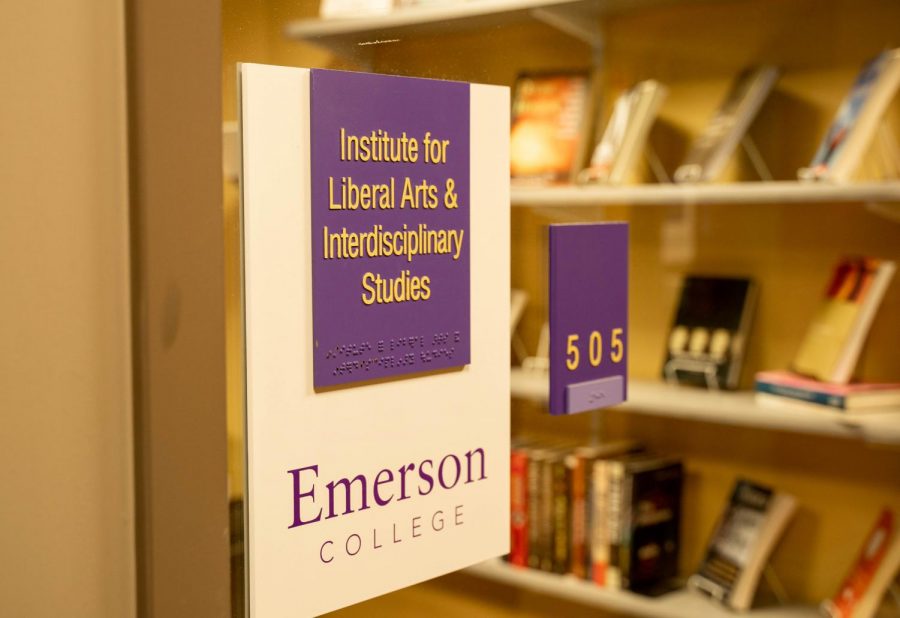
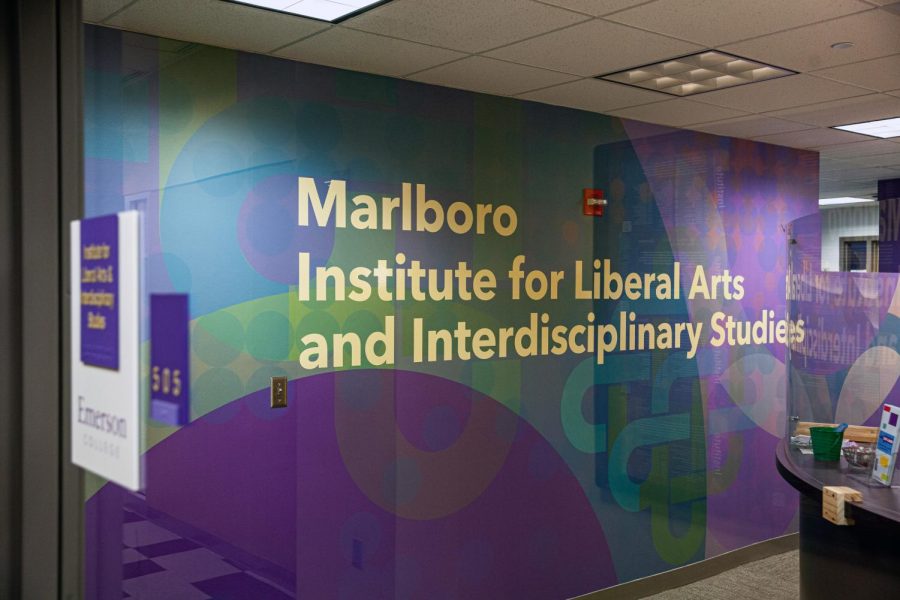
Around 40 students from Marlboro, including Penny, transferred to Emerson’s Boston campus, where many continued classes and graduated with an Emerson degree. In its honor, Emerson renamed its department of liberal arts the Marlboro Institute for Liberal Arts and Interdisciplinary Studies.
The culture of Marlboro
Amer Latif began teaching religious studies at Marlboro College in 2003. He said Marlboro redefined what a traditional career field looked like, which helped Latif “unlearn” hegemonic ideas about career arcs, their linearity, and identifying “valuable” careers.
He often worked with students outside of religious studies who were seeking mentorship from one or two professors to develop their unique fields of study — from religion and theater to religion and neuroscience.
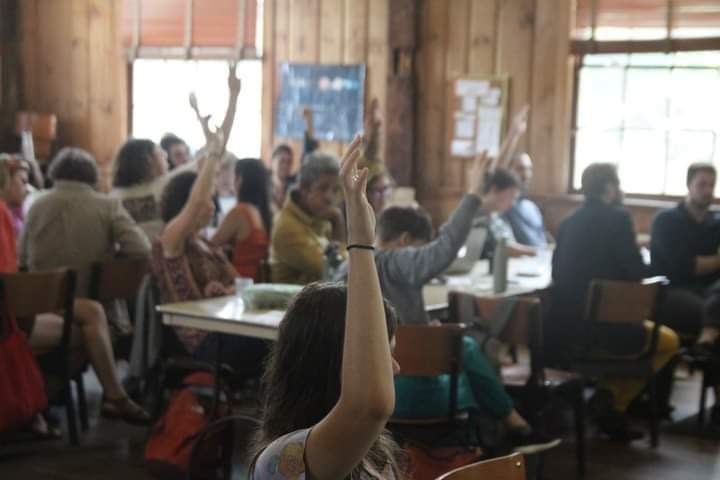
Latif found the democratic decision-making process appealing. He recounted being “blown away” to see that students were present in every room where important decisions were made.
This was reflected in the culture of the community too. Latif fondly recalled how he and other professors would invite about a dozen students for dinner at their homes at the end of the semester.
At the dining hall, students sat alongside presidents, provosts, teachers, and cleaning staff. At a school with a community of under 500, between students, faculty, and staff, almost everyone could fit into the hall together.
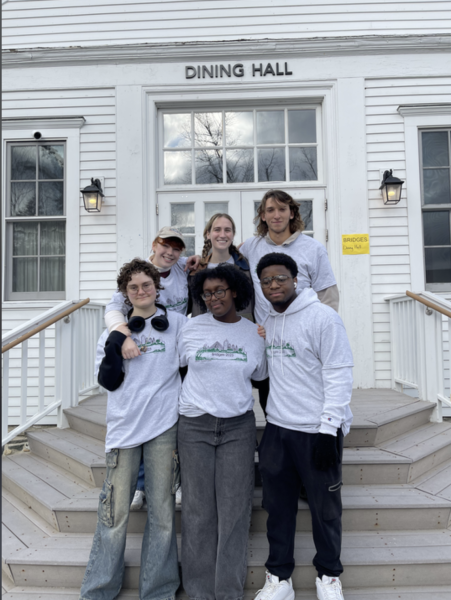
“Emerson would be a much tighter-knit community if we had a space like that where everybody was eating together,” Latif said.
When Penny learned that the school would be closing and merging with Emerson, he felt as though the community had been shattered. Marlboro was like a family, he said; the campus was a safe haven.
“This was not as simple as someone being out of a job or someone needing to find a new school,” Penny said. The community grieved together, and at one point, Penny said, came together for a “communal scream.”
“One of our administrators sent an email to everyone saying, ‘Hey, everybody, at 2 o’clock today, if you want to, you can come outside, and we’re all gonna scream at once, and just let out a little bit of grief and a little bit of catharsis,’” he said.
The merger
Then-Marlboro President Kevin Quigley could clearly identify the challenges facing the institution — declining enrollment, high operating deficits, and a campus that wasn’t attractive to potential buyers.
“You get to the point where you have nothing of value to offer to others,” Quigley said. “You have no alternative but to close.”
Quigley noted the similarities between Marlboro and Emerson that had appealed to him, including class sizes and strong community bonds.
“We had similar views on the importance of liberal arts and the centrality of students [in] that process, on interdisciplinary learning,” he said.
Peter Zamore, who had worked as an attorney, served as co-chair of the board tasked with facilitating the merger. He was drawn to Emerson’s transparency and goodwill throughout the negotiation process. However, he said that omitting Marlboro’s campus from the agreement was a point of tension.
“Emerson, understandably, did not want to acquire the campus as a part of the arrangement,” he said. “That meant that the Marlboro that was transferred over to Emerson didn’t include what many students felt was a core part of the Marlboro experience.”
Nearly everyone interviewed by The Beacon spoke positively about the campus, the land, and its centrality to the school’s culture.
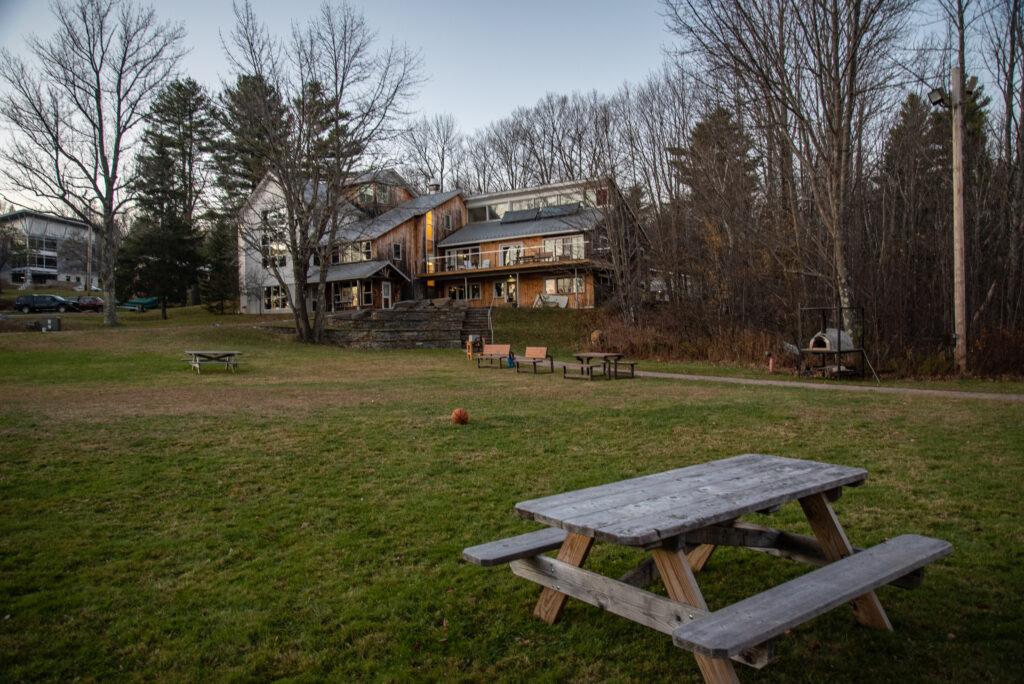
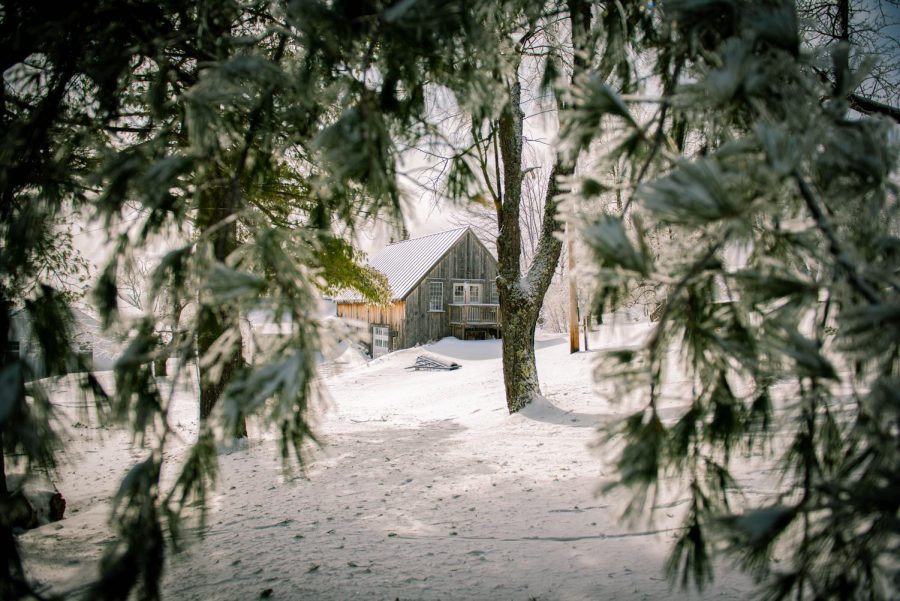
“It’s pristine, surrounded by evergreen trees,” Quigley said. Students could immerse themselves in a tableau of trees that sprout blueberries and chestnuts in the summer, backdropped by Potash Hill and, deep in the fabled woods, South Pond, a frequent swimming hole for those who lived in the community.
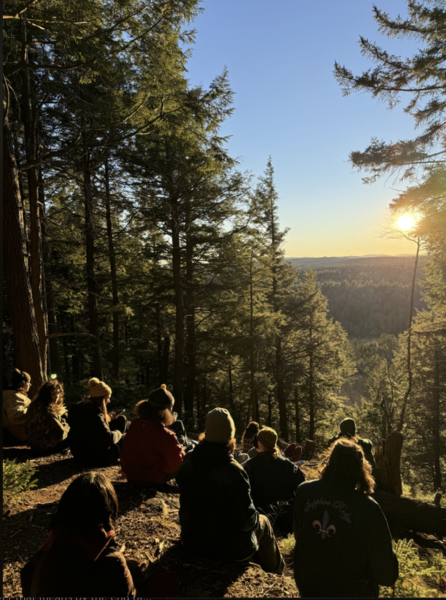
Financially, the campus was a hard sell. Quigley cited deferred maintenance, 57 buildings, and a million dollars required annually for snow removal.
The 360 acre campus was eventually sold for $225,000 to Democracy Builders. Emerson received this money, as well as $22 million from Marlboro’s endowment. Along with student transfers, tenured Marlboro professors received offers to join Emerson’s faculty.
Jaime Tanner, one of two biologists at Marlboro College, recalled being on the strategic task force assigned to facilitating the alliance between Marlboro and Emerson.
She and her fellow faculty member had to sign a non-disclosure agreement, so they couldn’t talk about their work until the merger was announced. The mental burden was crushing at times, she said, resulting in weekly therapeutic dog walks with her colleague, several of which ended in tears.
“One of the hardest things I’ve ever done was to be on that task force,” Tanner said. “It was really heartbreaking.”
At the same time, she was grateful. Her voice was being heard through a period of radical transformation at an institution she had poured years into. Despite the mental burden of the transition, she maintains an appreciation for the fortitude and camaraderie of those who were tasked with the transition.
“We had very close relationships with the institution,” Tanner said. “Everyone was really taking care of each other and listening to one another.”
A liberal arts education
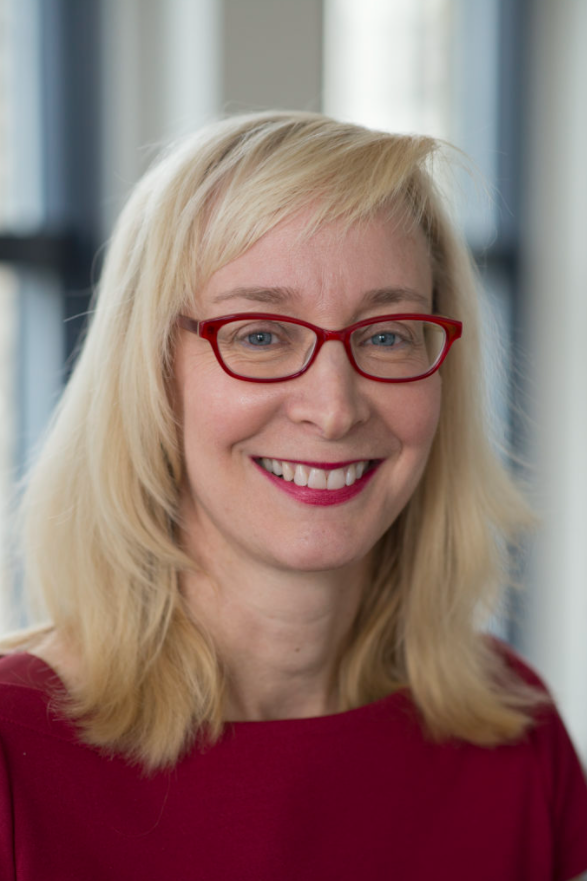
Once it became clear they were moving toward an alliance of the two schools, Tanner met Amy Ansell, former dean of liberal arts and interdisciplinary studies at Emerson and board member of the New England Commission of Higher Education (NECHE), now a Marlboro Institute professor and colleague of Tanner’s.
The two spent months conversing about what the new interdisciplinary studies major would look like at Emerson, visiting the two campuses and sharing numerous documents.
Ansell said every meeting and line of communication was “incredibly coordinated” and “fine-tuned.” Though much of Emerson’s leadership from the time of the alliance has since turned over — President Lee Pelton and Provost Michaele Whelan — the current administration has shown interest in continuing to invest in the alliance, she said, despite being “one step removed from it.” Tanner recalled showing Provost Alexandra Socarides around the Vermont campus this past summer.
In a statement to The Beacon, a college spokesperson said that the liberal arts are “foundational to our curricula and provide connectivity across all of our offerings.”
“Now more than ever, this work is essential to society,” the statement said. The spokesperson also referred to Priority A of the college’s strategic plan — Extraordinary Emerson 2030 — where the college pledges to “advance the educational experience and prepare well-rounded students to become leaders in their respective disciplines by fostering a culture of creativity, critical thinking, academic rigor, hands-on experiential learning, and interdisciplinary collaboration.”
“Our interdisciplinary curriculum is a key component of this effort,” the spokesperson said.
Ansell said that faculty took advantage of the merger to develop new curricula. Tanner, for example, was a field scientist coming to teach at a school not known for its science program. The introduction of a new body of professors and students deepened the liberal arts education Emerson was already investing in.
Students could also explore new fields of study through the Marlboro-designed interdisciplinary studies major. It was the first time students could enter a self-designed major as new students, as opposed to already-enrolled students.
Latif, however, still longs for the green campus and rolling hills of Marlboro. He recalled taking his one-on-one sessions with students outside and bumping into community members on their favorite walks through the woods.
He had “visceral memories” of sitting with a student to talk about work, and the pair’s attention being swept away by the views of changing leaves.
The move to Emerson
While Emerson’s urban environment might not lend itself to such moments, one thing hasn’t changed — the strength of the bond between Marlboro professors and their students.
“I love the students [at Emerson],” Latif said. “In the classes, it’s a beautiful feeling. I enjoy my classes no less.”
“My goal is the same, which is to create an atmosphere in which we can see the breadth of what it means to learn … Nothing is small, and that connection, human connection, is the basis for learning.”
Latif called this approach “[a] progressive vision of all people that have gone through the same journey that I had … That’s what was saved through this merger.”
Latif feels grateful that the Marlboro community was able to bring that to Emerson, adding that it was a “win-win” situation.
“We needed a space, and we needed to be able to carry over some of the legacy of Marlboro, and Emerson needed strengthening in its liberal arts,” he said, referring to a low NECHE accreditation report that Emerson had received before the alliance between the two schools was formed. In addition to the interdisciplinary curriculum, Marlboro professors also help teach required liberal arts perspective classes.
The “Emersonian Marlboro” students — students who came to Emerson after the merger and joined the IDS department — are keeping the essence of Marlboro alive and passing down traditions. There are 100 students currently enrolled in the IDS program, and 50 who have graduated since 2021.
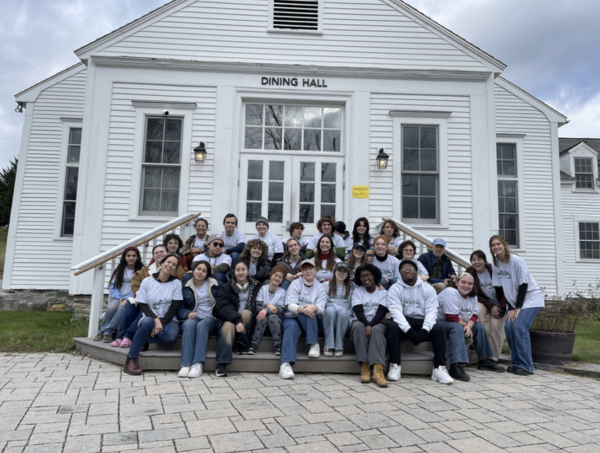
A Community Committee, led by Marlboro Institute science teacher Todd Smith and composed of IDS students, plans everything from the Bridges trips to Vermont to events in Boston, including trips to Revere Beach, thrifting days, and science museum visits. About a dozen students attend these events at any given time — except for the Bridges trip, a tradition carried over from Marlboro, wherein about 50 IDS students stay at Potash Hill for a weekend.
Bridges to Vermont
Pranit Chand, an international student from Nepal, committed to Marlboro in 2019. Chand, who had never been to the United States, fortuitously stumbled upon Marlboro. He first encountered the Vermont college and its sprawling campus during his first Bridges trip. He took a week to bike across southern Vermont and Upstate New York with other Marlboro students, camping and forgoing his cell phone. He said it became one of his most cherished life experiences.
Chand’s last Bridges trip, four years later, looked a lot different. He stayed at the woodsy Vermont campus for a weekend with his class — which had depleted by half — not just as Marlboro students, but as Emerson students too. That last trip, he said, felt like the perfect time to “let go” of what had been so briefly theirs — a magical campus he experienced for just a year as a freshman before the acquisition.
“We graduated from a very different campus than what we signed up for,” Chand said. “For us to be able to have that one mini graduation and feast in the dining hall where we all met for the very first time … a lot of tears were shared.”
The dining hall. The forest. The self-designed majors. The bridges. These, to Chand, are the “pieces of Marlboro we brought with us.”
“Did we try our best? Yes. Were there shortcomings? Probably. Personally, I tried my best to make the most out of the opportunity, because Emerson gave me a lot,” Chand said. “I wouldn’t have imagined what the experience would have been like if it weren’t for Emerson.”
Taking the helm of Marlboro’s Student Government, and later forging bonds with Emerson SGA leadership after the merger, Chand said he would choose the same road again because of Marlboro’s added presence to Emerson.
“The heavier impact Marlboro has left is more on the cultural side of things,” Chand said. “Marlboro students and professors have always been more vocal about things. We are defying the odds and making things different and interesting.”
When Marlboro College closed, Smith, one of the biology professors, and his colleague Jenny Ramstetter were inspired to create a nonprofit called the Marlboro Foundation to help fund and preserve some of the activities that made it unique: working in the forest, cataloging plants around campus, and tending to the greenhouse where students and teachers came together to get their hands dirty and grow food to be shared with their peers.
“I would just take students right out the door and right into the woods,” Ramstetter said. “And so I had these classes where being in the woods was a part of what they were doing in a particular class.”
Through the Marlboro Foundation, they also steward 360 acres of land where the college used to be. Now, they have the money, they have the land, they have the time; they just need the students.
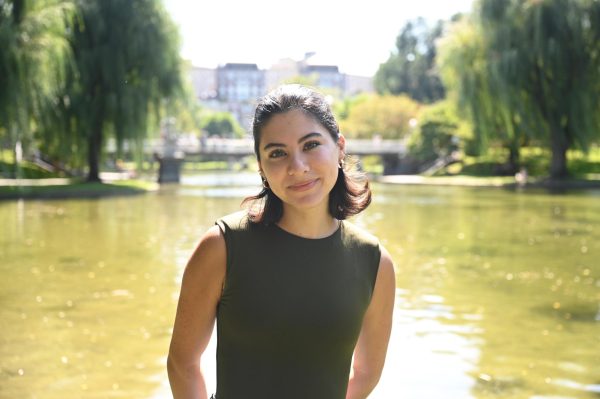
One of those students is Brooke King-Hill, an IDS student graduating this year with a degree in environmental journalism. King-Hill said that Marlboro has given her freedom in her studies that she wouldn’t have been able to experience otherwise.
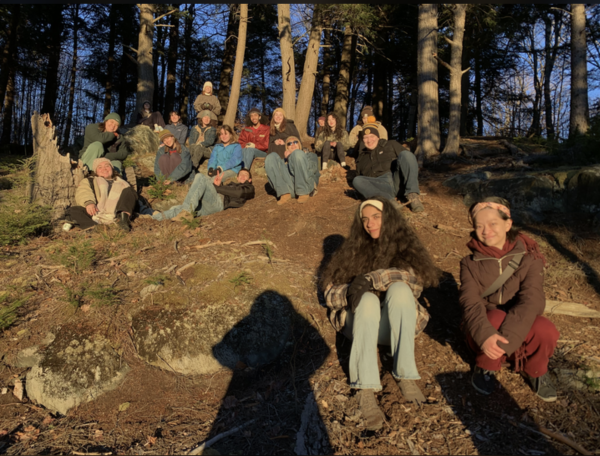
Between her sophomore and junior years, King-Hill participated in fieldwork related to her interest in studying the climate. She spent a long weekend in Vermont with a team of science teachers, studying the effects of climate on the region through pond coring — inserting a syringe into the bottom of a pond to extract layers of sediment — and working to understand the climate as it warms up in even cooler parts of the country, such as Alaska.
This research has since become a component of King-Hill’s capstone project, a requirement for all IDS students as they prepare for graduation.
“I always say that I’m an environmentalist with the tools of journalism, rather than a journalist who reports on the environment,” she said. “That’s exactly what [the IDS program] gave me.”
In her journalism classes, King-Hill says there is a lack of awareness about the program.
“Everyone [will go] around the room saying their major, and 99% of the students are obviously journalism, and I’m the 1% where I’m IDS, and the entire class is like, ‘What is that?,’” she said.
The Marlboro community at Emerson, she said, remains tight-knit, even though all of the students who directly experienced the merger are long gone. As time passes, the integration between the two colleges only grows stronger.
“I think Emerson has saturated Marlboro so much, it’s harder to kind of distinguish them and pick them apart,” she said.
Quigley was awarded a grant in 2020 to get 68 boxes worth of Marlboro archives — plans, board books, Potash Hill Magazines, and more — catalogued at the University of Vermont. There will be a reception to announce the completion of cataloging in June. Quigley will work with former trustees to digitize what they have in hopes of bestowing the chronicles upon Emerson as well.
But it’s not in these boxes where the legacy of Marlboro prevails. It’s in the lives of each student — Marlboro or not — at Emerson, impacted by teachers like Latif, Tanner, or Smith. It’s in the Marlboro Institute students who travel to Vermont every year to sit at the very same dining table, ring the Town Crier Bell, and cross-country ski through Marlboro’s storied forests. Though they might not walk those same trails to class anymore, students like King-Hill are not just Emerson students; they’re Marlboro students, too.